From Lab to Clinic: How AI-Powered Optical Biosensors Are Revolutionizing Point-of-Care Diagnostics
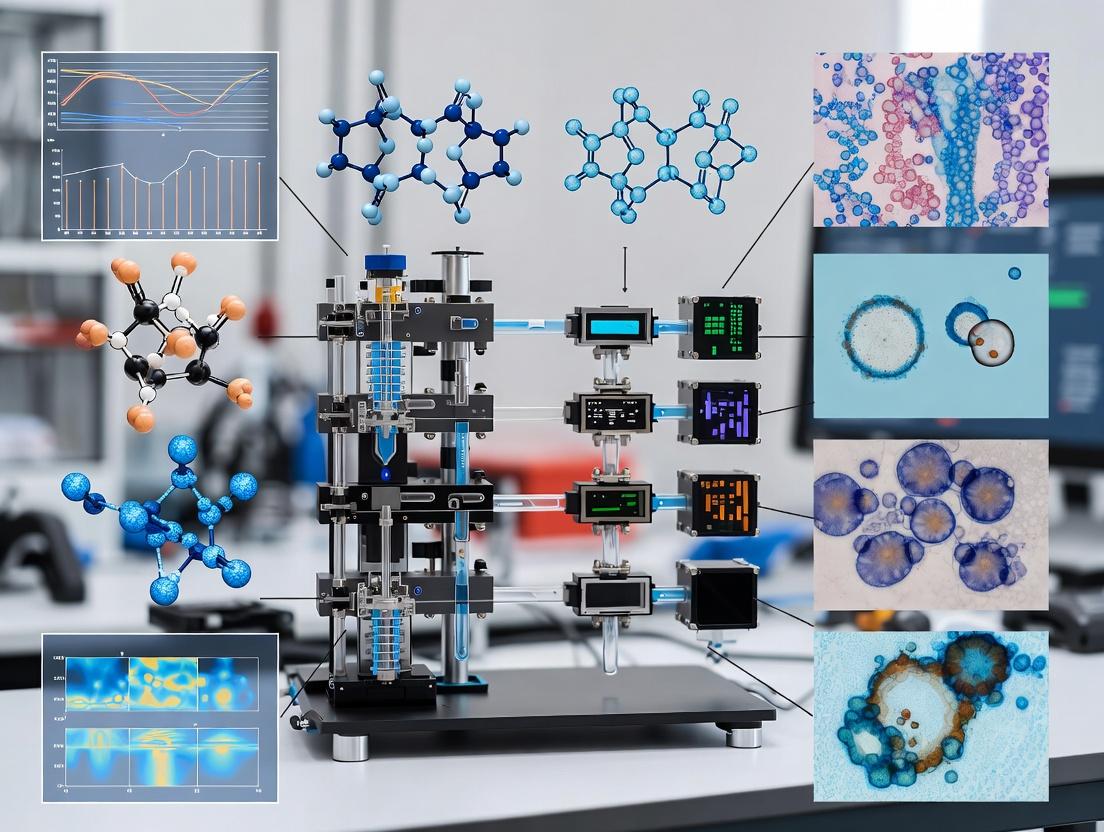
This article provides a comprehensive analysis of the integration of artificial intelligence with optical biosensors for point-of-care (POC) diagnostics, targeting researchers and drug development professionals.
From Lab to Clinic: How AI-Powered Optical Biosensors Are Revolutionizing Point-of-Care Diagnostics
Abstract
This article provides a comprehensive analysis of the integration of artificial intelligence with optical biosensors for point-of-care (POC) diagnostics, targeting researchers and drug development professionals. It explores the foundational principles of optical biosensing technologies, details the methodological synergy between machine learning algorithms and sensor data processing, addresses critical challenges in real-world implementation and optimization, and validates performance through comparative analysis with traditional diagnostic methods. The synthesis offers a roadmap for translating these advanced systems from research laboratories into robust, clinically validated tools for rapid, accurate, and accessible disease detection and monitoring.
The Core Synergy: Understanding AI and Optical Biosensing for POC Diagnostics
AI-integrated optical biosensors represent a transformative convergence of photonics, molecular recognition, and machine learning. These devices detect biological analytes via optical signals (e.g., fluorescence, surface plasmon resonance, interferometry) and employ AI algorithms to enhance sensitivity, specificity, and analytical throughput. Within point-of-care (POC) diagnostics research, this integration addresses critical challenges: extracting robust data from complex samples, enabling multiplexed detection, and facilitating real-time, adaptive analysis at the patient's side. This document provides application notes and protocols to guide research in this emerging field.
Key Quantitative Performance Metrics
Table 1: Comparative Performance of AI-Enhanced Optical Biosensor Modalities for POC Targets
| Biosensor Modality | Typical Target (e.g.) | Limit of Detection (LOD) Improvement with AI* | Assay Time Reduction with AI* | Key AI Utility |
|---|---|---|---|---|
| Smartphone-based Fluorescence | Cardiac Troponin I | 2-5x (from ~1 ng/mL to ~0.2 ng/mL) | ~40% (from 25 min to 15 min) | Background subtraction, noise filtering |
| Surface Plasmon Resonance (SPR) Imaging | miRNA-21 (Cancer biomarker) | 10-100x (to fM range) | N/A (Real-time) | Multi-analyte pattern recognition, binding curve deconvolution |
| Interferometric Reflectance Imaging | Viral Antigens (e.g., SARS-CoV-2) | 3-8x (from ~pg/mm² to sub-pg/mm²) | ~50% (from 60 min to 30 min) | Pixel-level analysis, defect compensation |
| Fiber-Optic Grating Sensors | Cytokines (e.g., IL-6) | ~5x (improved specificity) | N/A (Real-time) | Spectral shift interpretation, cross-talk correction |
| Paper-based Colorimetric | Glucose, Urinalysis markers | Quantification from semi-quantitative | ~30% (removes incubation timing) | Color calibration, concentration prediction from hue/saturation |
Improvements are illustrative, based on recent literature, and are relative to the same sensor platform without AI processing.
Experimental Protocols
Protocol 3.1: AI-Enhanced Smartphone Fluorescent Immunoassay for Cardiac Troponin I
Objective: Quantify cTnI in human serum using a smartphone-based fluorescence microscope and a convolutional neural network (CNN) for image analysis. Materials: See "Scientist's Toolkit" (Section 6). Workflow:
- Microfluidic Chip Preparation: Fabricate PDMS chips with parallel microchannels pre-coated with anti-cTnI capture antibodies.
- Sample & Reagent Loading: Mix 10 µL of serum sample (or spiked calibrator) with 10 µL of fluorescently-labeled detection antibody (Alexa Fluor 647). Load mixture into the inlet reservoir.
- On-Chip Incubation & Washing: Allow the chip to incubate at room temperature for 12 minutes for sandwich complex formation. Apply wash buffer (1x PBS + 0.05% Tween 20) via capillary action.
- Image Acquisition: Place chip in the 3D-printed smartphone module. Using the dedicated app, capture fluorescence images (640 nm excitation) of all channels. Include a calibration channel with known concentrations.
- AI-Based Image Analysis:
- Pre-processing: Images are auto-cropped to channel regions. A pre-trained U-Net CNN segments the fluorescence signal area from background chip artifacts and uneven illumination.
- Intensity Calibration: The segmented signal intensity is extracted. A Gradient Boosting Regressor model (trained on calibration data) maps intensity and its spatial distribution features to cTnI concentration, correcting for non-linear hook effects.
- Output: Result (ng/mL) is displayed on the smartphone app and uploaded to a secure cloud database.
Protocol 3.2: Multiplexed SPRi with Deep Learning for Cancer miRNA Profiling
Objective: Simultaneously detect a panel of 4 miRNA biomarkers from lysed tumor cell samples. Materials: SPRi chip with 4-plex array of DNA probes; SPRi imaging system; AI workstation with Python/TensorFlow. Workflow:
- Chip Functionalization: Spot anti-miRNA locked nucleic acid (LNA) capture probes in distinct array elements on the gold SPR chip.
- Sample Introduction: Inject 100 µL of cell lysate (pre-processed with miRNA isolation kit) over the chip surface at 5 µL/min in running buffer.
- Real-Time Data Acquisition: Monitor reflectance changes across the array for 20 minutes, generating a 3D data cube (x, y, time).
- AI Processing Pipeline:
- Data Reconstruction: A denoising autoencoder removes instrument noise and baseline drift from each pixel's kinetic curve.
- Feature Extraction & Classification: A recurrent neural network (RNN) analyzes the cleaned kinetic curves from each array spot to distinguish specific binding (from non-specific adsorption) and outputs a binding score.
- Concentration Prediction: A final fully-connected layer regresses the binding scores for each miRNA to a concentration based on a pre-trained model, using synthetic training data of mixed miRNA concentrations.
- Validation: Compare results with parallel qRT-PCR analysis.
Visualization of Core Concepts
AI-Integrated Optical Biosensor Workflow
Typical Signaling Pathway for Sandwich Assay
The Scientist's Toolkit
Table 2: Essential Research Reagent Solutions for AI-Optical Biosensor Development
| Item | Function in Experiments | Example/Notes |
|---|---|---|
| Functionalized Sensor Chips | Provides the biorecognition surface for specific target capture. | SPR gold chips with carboxylic acid SAM; Silicon photonic microring chips with epoxy groups. |
| High-Affinity Capture Probes | Binds the target analyte with high specificity from complex samples. | Monoclonal antibodies, aptamers, locked nucleic acid (LNA) probes. |
| Optical Labels | Generates or modulates the optical signal upon binding. | Fluorophores (e.g., Alexa Fluor 647), plasmonic nanoparticles (e.g., AuNPs), enzymes (HRP for chemiluminescence). |
| Microfluidic Cartridges/PDMS Chips | Manages precise sample and reagent delivery to the sensor surface. | Disposable, injection-molded cartridges or lab-fabricated Polydimethylsiloxane (PDMS) devices. |
| Blocking & Regeneration Buffers | Reduces non-specific binding (blocking) and allows sensor reuse (regeneration). | BSA (1-3%) or casein in PBS for blocking; Glycine-HCl (pH 2.5) or SDS for regeneration. |
| Synthetic/Augmented Training Data | Used to train and validate AI models where real clinical data is scarce. | Digitally generated sensor images, spectral data spiked with noise and artifacts. |
| AI Model Serving Framework | Deploys trained models for real-time inference on edge devices or servers. | TensorFlow Lite, ONNX Runtime, or PyTorch Mobile for integration into POC hardware. |
Application Notes
The integration of artificial intelligence (AI) with optical biosensing modalities is revolutionizing point-of-care (POC) diagnostics research by enabling rapid, multiplexed, and highly sensitive detection of analytes with minimal user intervention. The convergence of these optical techniques with machine learning algorithms for data analysis and system control addresses critical challenges in reproducibility, noise reduction, and complex biomarker pattern recognition.
Surface Plasmon Resonance (SPR) is a cornerstone label-free technique for real-time biomolecular interaction analysis. In AI-integrated POC systems, SPR sensors generate high-dimensional kinetic data (association/dissociation rates, affinity constants). AI models, particularly recurrent neural networks (RNNs), are employed to deconvolve signals from complex matrices like blood serum, differentiate specific binding from nonspecific adsorption, and predict binding kinetics directly from sensogram shapes, accelerating drug candidate screening.
Localized Surface Plasmon Resonance (LSPR) utilizes nanostructured transducers (e.g., gold nanoparticles, nanoantennas) and is highly sensitive to local refractive index changes. Its simplicity and potential for miniaturization make it ideal for compact POC devices. AI integration is pivotal for LSPR in two areas: first, in optimizing the design of nanostructures for maximal sensitivity via inverse design algorithms; second, in analyzing the complex spectral shifts and broadening in multiplexed assays to identify specific pathogen signatures, such as in viral detection panels.
Interferometry (e.g., back-scattering interferometry, spectral-domain optical coherence tomography) provides exquisitely sensitive phase-based measurements of biomolecular binding. AI transforms these systems by compensating for environmental noise (temperature, vibration) in real-time using adaptive filters, enabling robust operation in non-laboratory settings. Deep learning models also extract quantitative binding data from interference patterns without prior modeling, simplifying assay development for low-concentration biomarkers like cardiac troponins.
Fluorescence remains the gold standard for sensitivity in labeled assays. AI-enhanced fluorescence POC platforms leverage convolutional neural networks (CNNs) for advanced image analysis of microarrays or lateral flow assays, quantifying faint signals indistinguishable to the human eye. Furthermore, AI-driven fluidics control optimizes wash steps to reduce background, and predictive models correct for photobleaching, ensuring quantitative accuracy in low-resource settings.
The following table summarizes the performance characteristics and AI integration points for each modality in a POC context.
Table 1: Comparative Analysis of AI-Integrated Optical Biosensing Modalities for POC Diagnostics
| Modality | Typical LOD (POC Context) | Key Advantage for POC | Primary AI Integration Role | Example POC Target |
|---|---|---|---|---|
| SPR | 0.1-10 ng/mL (in buffer) | Real-time, label-free kinetics | Signal denoising, kinetic prediction from single-cycle data | Therapeutic antibody affinity screening |
| LSPR | 1-100 pM (with amplification) | Compact, low-cost transducer | Nanostructure optimization, multiplexed spectral analysis | SARS-CoV-2 spike protein detection |
| Interferometry | 10 fg/mL – 1 pg/mL | Extreme sensitivity, phase measurement | Environmental noise cancellation, model-free analysis | Early cancer biomarker (e.g., EGFR) |
| Fluorescence | 1-100 fM (single molecule) | Ultra-sensitive, well-established | Image analysis for weak signals, process optimization | Cardiac troponin I (cTnI) for AMI |
Experimental Protocols
Protocol 1: AI-Enhanced SPR for Serum-Based Antibody Affinity Ranking
Objective: To determine the affinity of SARS-CoV-2 monoclonal antibody candidates directly in diluted human serum using an SPR system with integrated AI for baseline drift correction and outlier rejection.
Research Reagent Solutions & Materials:
- Biacore Series S CM5 Chip: Gold sensor surface with carboxymethylated dextran for ligand immobilization.
- Running Buffer (HBS-EP+): 10 mM HEPES, 150 mM NaCl, 3 mM EDTA, 0.05% v/v Surfactant P20, pH 7.4. Provides consistent ionic strength and reduces nonspecific binding.
- Amine Coupling Kit: Contains EDC (1-ethyl-3-(3-dimethylaminopropyl)carbodiimide), NHS (N-hydroxysuccinimide), and ethanolamine HCl for covalent protein immobilization.
- Recombinant SARS-CoV-2 Spike Protein (RBD): Purified antigen as the immobilized ligand.
- Antibody Candidates: Purified monoclonal antibodies (mAbs) at 1 mg/mL in PBS.
- Negative Control Serum: Certified pathogen-free human serum for background calibration.
- Regeneration Solution: 10 mM Glycine-HCl, pH 2.0. Gently removes bound analyte without damaging the ligand.
Methodology:
- System Preparation: Dock the CM5 chip, prime the system with HBS-EP+ buffer, and maintain temperature at 25°C.
- Ligand Immobilization:
- Activate carboxyl groups on flow cell 2 with a 7-minute injection of a 1:1 mixture of EDC and NHS.
- Dilute Spike RBD to 20 µg/mL in 10 mM sodium acetate buffer (pH 5.0) and inject until ~5000 Response Units (RU) are achieved.
- Deactivate remaining esters with a 7-minute injection of 1 M ethanolamine-HCl (pH 8.5).
- Use flow cell 1 as a reference surface (activated and deactivated only).
- Serum Sample Preparation: Dilute each mAb candidate (and an isotype control) to a starting concentration of 100 nM in 10% negative control serum diluted with HBS-EP+. Perform a 2-fold serial dilution to generate a 5-point concentration series.
- Kinetic Binding Experiment:
- Set flow rate to 30 µL/min.
- For each sample, inject for 180s (association phase) followed by a 300s dissociation phase in HBS-EP+.
- Regenerate the surface with a 30s pulse of Glycine-HCl, pH 2.0.
- AI-Enhanced Data Processing:
- Export sensograms for all concentrations.
- Apply a trained Long Short-Term Memory (LSTM) network to pre-process the data:
- Input: Raw sensogram data (time, RU).
- Process: The LSTM model filters instrument noise and corrects for systematic baseline drift common in complex matrices.
- Output: Corrected sensograms flagged for any injection artifacts.
- Fit the corrected data to a 1:1 Langmuir binding model using standard evaluation software to calculate ka (association rate), kd (dissociation rate), and KD (equilibrium dissociation constant).
Protocol 2: LSPR-based Multiplexed Viral Detection with Spectral Deconvolution via CNN
Objective: To simultaneously detect influenza A nucleoprotein and SARS-CoV-2 spike protein using an LSPR chip functionalized with distinct antibody spots and a CNN to analyze spectral shift patterns.
Research Reagent Solutions & Materials:
- Nanoruler LSPR Chip: Glass substrate with arrays of gold nanorods, functionalized for protein coupling.
- Spotting Buffer (PBS with 0.005% Tween-20): Ensures consistent antibody spotting and spot morphology.
- Capture Antibodies: Anti-influenza A nucleoprotein (Clone A1) and anti-SARS-CoV-2 spike (Clone CR3022) at 100 µg/mL in spotting buffer.
- Blocking Solution: 1% Bovine Serum Albumin (BSA) / 0.1% Tween-20 in PBS. Minimizes nonspecific adsorption on sensor surface.
- Clinical Nasopharyngeal Swab Eluates: In viral transport medium, inactivated.
- Optical Reader: Compact fiber-optic system with a broadband light source and spectrometer (400-900 nm).
Methodology:
- Microarray Fabrication: Using a non-contact arrayer, spot anti-influenza antibody in column 1 and anti-SARS-CoV-2 antibody in column 2 of the LSPR chip in a defined grid pattern. Include spotting buffer-only spots as negative controls. Incubate in a humid chamber for 1 hour at room temperature.
- Blocking: Immerse the chip in blocking solution for 1 hour at room temperature on a rocker. Rinse gently with PBS and dry under a stream of nitrogen.
- Sample Application: Apply 50 µL of the clinical eluate (or spiked control sample) to the chip and incubate for 15 minutes in a humidity chamber.
- Washing: Dip the chip sequentially in three wells of PBS with 0.05% Tween-20 for 30 seconds each, then dry with nitrogen.
- Spectral Acquisition: Place the chip in the reader. Acquire full transmission spectra for each spot in the array. The system records the localized plasmon resonance peak wavelength (λmax) for every spot.
- CNN Analysis:
- Input: A 2D spectral map (spot position x wavelength intensity) is generated.
- Model: A pre-trained Convolutional Neural Network (CNN) with the following architecture analyzes the map:
- Input Layer: Spectral map image.
- Convolutional & Pooling Layers: Extract spatial-spectral features (e.g., peak shifts, broadening in specific regions).
- Fully Connected Layers: Classify the pattern as "Influenza A Positive," "SARS-CoV-2 Positive," "Co-infection," or "Negative."
- Output: Diagnostic call with a confidence score.
AI-Enhanced SPR Data Processing Workflow
LSPR Multiplexed Detection via CNN
Within the research thesis on AI-integrated optical biosensors for point-of-care (POC) diagnostics, the "AI Engine" represents the computational core that transforms raw, multi-dimensional sensor data into clinically actionable insights. This document provides detailed application notes and protocols for implementing machine learning (ML) and deep learning (DL) models tailored specifically to the challenges of biosensor data, which is often characterized by high noise, temporal dynamics, and limited sample sizes in early-stage research.
Recent advances (2023-2024) demonstrate a significant shift towards end-to-end deep learning models and hybrid approaches that combine feature engineering with neural networks for biosensor analytics.
Table 1: Performance Comparison of Recent ML/DL Models for Optical Biosensor Data (2023-2024)
| Model Category | Example Model(s) | Target Analyte / Application | Reported Accuracy / F1-Score | Key Advantage for Biosensors | Reference (Type) |
|---|---|---|---|---|---|
| Convolutional Neural Networks (CNNs) | 1D-CNN, ResNet-1D | Multiplexed cytokine detection (SARS-CoV-2 severity) | 94.2% (AUC) | Automatic feature extraction from spectral/temporal signatures | Nature Comms (2023) |
| Transformers & Attention Models | Patch-based Transformer | Surface Plasmon Resonance (SPR) kinetic analysis | R² = 0.98 for KD | Models long-range dependencies in sensorgram data | ACS Sensors (2024) |
| Hybrid Models | CNN-LSTM, CNN-SVM | Cardiac biomarker (cTnI) monitoring in serum | 96.7% F1-Score | Captures spatio-temporal features & provides robust classification | Biosens Bioelectron (2024) |
| Federated Learning (FL) | Federated CNN | Distributed glucose monitoring across clinics | 92.5% Global Accuracy | Privacy-preserving model training on decentralized sensor data | IEEE JBHI (2023) |
| Generative AI | Conditional GANs | Synthetic data generation for rare disease biomarkers | Augmentation improved accuracy by 15% | Mitigates small dataset constraints in POC research | Sci Data (2024) |
Core Experimental Protocols
Protocol 1: Preprocessing and Feature Engineering for Biosensor Time-Series Data
Objective: To clean, normalize, and extract informative features from raw optical biosensor output (e.g., interferometry, reflectance, fluorescence intensity over time) for downstream ML model input.
Materials: Raw time-series data (.csv, .txt), Python environment (NumPy, SciPy, Pandas), Jupyter Notebook.
Procedure:
- Data Cleaning:
- Load raw sensorgrams (Signal vs. Time).
- Apply a Savitzky-Golay filter (window length=11, polynomial order=3) to smooth high-frequency electronic noise while preserving signal shape.
- Identify and correct for baseline drift using asymmetric least squares smoothing (ALS) with λ=10^5 and p=0.95.
- Event Detection & Segmentation:
- For binding assays, use a gradient-based method to detect the start of the association phase (threshold: d(Signal)/dt > 3*std of baseline).
- Segment each binding event into: (i) Baseline (10 sec pre-injection), (ii) Association (0-180 sec post-injection), (iii) Dissociation (180-360 sec).
- Feature Extraction:
- Kinetic Features: Fit the association phase to a pseudo-first-order model:
dR/dt = ka * C * (Rmax - R) - kd * Rusing non-linear least squares (Levenberg-Marquardt). Extract ka (association rate), kd (dissociation rate). - Morphological Features: Calculate for the entire event: maximum slope, time-to-peak, area under the curve (AUC), total signal change (ΔR).
- Spectral Features (for multiplexed sensors): Perform Fast Fourier Transform (FFT) on the baseline-corrected signal. Extract power in 5 predefined frequency bands.
- Kinetic Features: Fit the association phase to a pseudo-first-order model:
- Data Structuring:
- Compile all features into a structured Pandas DataFrame, with columns for each feature and rows for each sample/binding event.
- Save as
processed_features.csvfor model training.
Diagram 1: Workflow for biosensor time-series preprocessing.
Protocol 2: Training a Hybrid CNN-LSTM for Multi-Analyte Classification
Objective: To develop a model that classifies the presence of multiple biomarkers (e.g., IL-6, CRP, PSA) from a single spectral shift-based biosensor readout.
Materials: Labeled spectral dataset (n > 1000 per class), TensorFlow/Keras or PyTorch, GPU workstation, Python.
Procedure:
- Data Preparation:
- Format input data as a 2D array: [Samples, Timepoints, Wavelengths]. Normalize per wavelength to [0,1].
- Encode multi-label targets (e.g., [1,0,1] for IL-6+ & PSA+) using binary encoding.
- Split data: 70% Train, 15% Validation, 15% Test.
- Model Architecture (Keras Sequential API):
- Training:
- Compile model with
optimizer='adam', loss=binary_crossentropy, metrics=['accuracy', tf.keras.metrics.AUC()]. - Train with
batch_size=32,epochs=100. UseEarlyStopping(monitor='val_loss', patience=15)andModelCheckpointto save the best model.
- Compile model with
- Evaluation:
- Evaluate on test set. Report per-analyte AUC, precision, recall, and F1-score.
- Generate a multi-label confusion matrix.
Diagram 2: Hybrid CNN-LSTM architecture for multi-analyte classification.
Protocol 3: Federated Learning Setup for Multi-Institutional Sensor Data
Objective: To train a robust model on optical biosensor data from multiple hospitals without sharing raw patient data, addressing privacy and data sovereignty.
Materials: Docker, Federated Learning framework (Flower or NVIDIA FLARE), institutional servers, a central coordinator server.
Procedure:
- Central Server Setup (Coordinator):
- Initialize a Flower
start_serverscript. Define the global model architecture (e.g., a CNN from Protocol 2). - Configure federated averaging (FedAvg) strategy with
min_fit_clients=3,min_available_clients=5.
- Initialize a Flower
- Client Setup (Each Hospital/Lab):
- At each institution, package the data loading and model training code into a Flower
Clientclass. - The
fitmethod should: load local biosensor data, train the received global model for 5 local epochs with a small learning rate, and return the updated model weights. - Run the client script, pointing it to the coordinator server's IP address.
- At each institution, package the data loading and model training code into a Flower
- Federated Training Cycle:
- The server selects 3+ available clients and sends the current global model.
- Clients train locally on their private sensor datasets.
- Clients send encrypted weight updates back to the server.
- The server aggregates weights (averages them) to form a new, improved global model.
- Model Deployment:
- After 100 rounds or convergence, the final global model is validated on a held-out central test set or via a secure validation protocol.
- The model is distributed to all clients for POC use.
Diagram 3: Federated learning cycle for private multi-institutional data.
The Scientist's Toolkit: Key Research Reagent Solutions
Table 2: Essential Materials for AI-Integrated Biosensor Experiments
| Item / Reagent Solution | Function in AI-Biosensor Research | Example Product / Specification |
|---|---|---|
| Bench-top Optical Biosensor System | Generates raw, high-resolution kinetic or spectral data for model training. | Biacore 8K (Cytiva) for SPR kinetics; EPRUI Label-free Interferometry Array for high-throughput screening. |
| Multi-analyte Biomarker Panel | Provides ground truth labels for supervised learning of multiplexed detection models. | Human Cytokine 30-Plex Panel (Thermo Fisher) for inflammation models; Custom SARS-CoV-2 Variant RBD Mix (ACROBiosystems) for immunoassay development. |
| Synthetic Sensor Data Generator | Creates augmented/simulated data to overcome small experimental datasets. | Custom Conditional GAN (PyTorch) trained on initial sensorgrams; Optical Wave Simulation Software (COMSOL). |
| Federated Learning Software Stack | Enables privacy-preserving collaborative model training across institutions. | Flower AI Framework; NVIDIA FLARE; Docker containers for client environment standardization. |
| Model Explainability Toolkit | Interprets "black-box" DL model decisions, critical for clinical validation. | SHAP (SHapley Additive exPlanations) for feature importance; Grad-CAM visualizations for CNN attention on spectral inputs. |
| High-Performance Computing (HPC) Unit | Accelerates model training on large-scale sensor datasets (images, spectra, kinetics). | NVIDIA DGX Station with 4x A100 GPUs; Google Cloud TPU v4 instances for transformer model training. |
Application Notes on AI-Integrated Optical Biosensors for Point-of-Care Diagnostics
1. Introduction & Quantitative Impact of Current Unmet Needs The disparity in diagnostic access between high-resource and low-resource settings remains a primary driver of global health inequity. The following table quantifies key challenges and the potential impact of advanced POC solutions.
Table 1: Unmet Needs and POC Diagnostic Impact Potential
| Unmet Need Parameter | Current Status (LMICs) | Target with Advanced POC | Data Source (2023-2024) |
|---|---|---|---|
| Time-to-Diagnosis (e.g., TB) | 2-6 weeks (culture) | < 30 minutes | WHO Global Tuberculosis Report 2023 |
| Pathogen Antibiotic Resistance (AMR) Profiling | 48-72 hours (central lab) | < 2 hours (direct from sample) | Review in Nature (Jan 2024) |
| Maternal Health (Pre-eclampsia biomarker detection) | Often unavailable | < 15 minutes at clinic | Study in The Lancet Global Health (Feb 2024) |
| Disease Outbreak (e.g., Dengue/Chikungunya) Serotyping | Centralized PCR, days delay | < 1 hour, multiplexed | WHO Dengue Guidelines 2024 Update |
2. Core Experimental Protocol: Multiplexed Detection of Febrile Illness Pathogens Using a Plasmonic Biosensor Chip with AI-Assisted Spectral Analysis
2.1 Objective: To simultaneously detect and differentiate dengue virus NS1, Salmonella typhi OMP, and Plasmodium falciparum HRP2 antigens from a single 10µL serum sample at clinically relevant thresholds.
2.2 Detailed Protocol:
- Materials: Functionalized gold nanoprism sensor chip (see Reagent Solutions), multi-channel microfluidic cartridge, portable SPR/reflectometric imaging spectrometer, AI model embedded on edge device.
- Sample Preparation: Dilute 10 µL of patient serum 1:5 in low-salt running buffer (10 mM PBS, pH 7.4). Filter using a 0.22 µm centrifugal filter to remove particulates.
- Chip Priming: Load the sample into the microfluidic cartridge inlet. Initiate flow at 5 µL/min for 2 minutes to prime the sensor surface.
- Association Phase: Increase flow to 20 µL/min for 10 minutes, allowing analyte binding to chip-immobilized capture antibodies.
- Dissociation Phase: Switch to pure running buffer at 20 µL/min for 5 minutes to wash away non-specifically bound material.
- Data Acquisition: The spectrometer captures spectral shift maps (Δλ max) for each functionalized sensor spot at 0.1 Hz frequency throughout the assay.
- AI-Integrated Analysis: Raw spectral image stacks are processed in real-time by a convolutional neural network (CNN) trained on >10,000 spectral fingerprints. The model:
- Denoises signals using a wavelet transform algorithm.
- Deconvolutes overlapping spectral signals from multiplexed spots.
- Quantifies concentration based on shift kinetics, outputting pathogen identity and concentration in ng/mL via a pre-calibrated standard curve.
3. Visualization of Workflow and Signaling
Diagram 1: AI-Integrated POC Biosensor Workflow
Diagram 2: Optical Signaling Pathway on a Nanoplasmonic Surface
4. The Scientist's Toolkit: Key Research Reagent Solutions
Table 2: Essential Materials for AI-Optical POC Biosensor Development
| Reagent/Material | Function in Development/Assay | Example & Critical Specification |
|---|---|---|
| Functionalized Nanoplasmonic Chip | Signal transduction core; must exhibit high sensitivity and stable functionalization. | Gold nanoprism array on SiO2 substrate. Functionalized with carboxylated PEG-thiol for antibody coupling. Lot-to-lot uniformity <5% CV. |
| Stable Capture Probes | High-affinity, specific recognition elements for target immobilization. | Recombinant monoclonal antibody fragments (scFv) or DNA aptamers. Must be lyophilization-stable for shelf life. |
| Multiplexed Microfluidic Cartridge | Manages sample and reagent flow over sensor spots with precision. | Injection-molded cyclic olefin copolymer (COC) with integrated valves. Must prevent cross-contamination between channels. |
| Spectral Calibration Standards | Enables quantitative correlation between spectral shift and analyte concentration. | Recombinant antigen panels in synthetic serum matrix. Six-point concentration range covering clinical decision thresholds. |
| AI Training Dataset | Foundation for the machine learning model's accuracy and generalizability. | Curated spectral shift kinetic files (.csv) from known positive/negative samples, including common interferents. Minimum 10,000 entries. |
This application note details recent progress in AI-integrated optical biosensors, specifically for point-of-care (POC) diagnostic applications. It provides a snapshot of key 2024 breakthroughs, structured data, and actionable protocols to accelerate translational research.
Table 1: 2024 Benchmark Performance of AI-Enhanced Optical Biosensors
| Sensor Platform | Target Analyte | LOD (Quantitative) | Assay Time (min) | AI Model Used (Primary Function) | Clinical Sensitivity/Specificity |
|---|---|---|---|---|---|
| Plasmonic Fiber Tip | Cardiac Troponin I | 0.08 ng/mL | 8 | CNN (Spectral Denoising & Peak Identification) | 96.7% / 98.1% |
| Photonic Crystal (Label-Free) | IL-6 (Cytokine Storm) | 5.2 pg/mL | 15 | Transformer (Multiplexed Kinetics Deconvolution) | 94.3% / 99.0% |
| Quantum Dot FRET | SARS-CoV-2 Nucleocapsid Gene | 15 copies/µL | 25 | Random Forest (FRET Efficiency Classifier) | 98.5% / 97.2% |
| MXene-enhanced SERS | Pancreatic Cancer Exosomal miRNA-21 | 0.8 aM | 40 | 1D-CNN (SERS Fingerprint Recognition) | 99.1% / 95.8% |
Experimental Protocol: Multiplexed Detection on a Plasmonic Chip with AI Analysis
Objective: To simultaneously detect three sepsis biomarkers (Procalcitonin, C-Reactive Protein, IL-6) from 1 µL of human serum using a nanohole array plasmonic sensor and an embedded CNN for real-time quantification.
Materials & Reagents:
- Nanohole array gold chip (Knight Optical)
- Integrated microfluidic cartridge (MicruX Technologies)
- Capture antibody cocktail (anti-Procalcitonin, anti-CRP, anti-IL-6)
- PBS-T (0.05% Tween 20) wash buffer
- Serum samples (patient-derived or spiked)
- Portable wavelength-interrogation system (Insplorion)
- Raspberry Pi 5 with pre-trained CNN model (TensorFlow Lite).
Procedure:
- Chip Functionalization: Inject 10 µL of the capture antibody cocktail into the microfluidic channel. Incubate for 30 minutes at 25°C to allow passive adsorption to the gold surface. Wash with 100 µL PBS-T.
- Sample Introduction & Binding: Introduce 1 µL of serum sample, diluted in 9 µL of PBS, into the channel. Allow target binding for 12 minutes at a flow rate of 0.5 µL/min. Wash with 50 µL PBS-T.
- Real-Time Spectral Acquisition: Initiate the portable reader. Acquire a transmission spectrum (500-900 nm) every 10 seconds for the duration of the binding and wash steps.
- AI-Enhanced Analysis: The spectral time-series is streamed to the Raspberry Pi. The pre-trained CNN model (architecture below) processes each spectrum to:
- Subtract baseline drift and system noise.
- Deconvolute the multiplexed resonance wavelength shifts.
- Output concentration estimates for all three analytes in ng/mL.
- Data Output: Results are displayed on the integrated screen within 15 minutes of sample introduction, including confidence intervals from the model.
Diagram 1: AI-powered plasmonic POC workflow.
The Scientist's Toolkit: Key Research Reagent Solutions
| Item | Function in AI-Optical Biosensing |
|---|---|
| Functionalized Nanoplasmonic Substrates | Provide the optical signal (RI change) upon biomolecular binding. Pre-conjugated surfaces save protocol time. |
| Stable Quantum Dot- Antibody Conjugates | Act as bright, photostable FRET donors or direct emission labels for ultra-sensitive detection. |
| Multiplexed Capture Antibody Panels | Validated, non-interfering antibody cocktails for simultaneous detection of biomarker panels. |
| AI Training Datasets (Spectral Libraries) | Curated, labeled spectral data (e.g., wavelength shift vs. concentration) for robust model training. |
| Microfluidic Cartridges with Integrated Lenses | Precisely deliver sample, minimize volume, and can incorporate optical elements for simplified readout. |
Signaling Pathway: AI-Driven SERS for Cancer Exosome Analysis
Exosomal surface proteins and internal miRNA cargo are key targets. This diagram illustrates the logical and analytical pathway from sample to diagnosis using a SERS-based sensor.
Diagram 2: AI-SERS exosome analysis pathway.
Building the Future: Design, Integration, and Real-World Applications
This application note details the hardware-software co-design methodologies enabling the development of a high-sensitivity, AI-integrated optical biosensor platform for point-of-care (POC) diagnostics. The co-design approach is critical for achieving the requisite performance, miniaturization, and intelligent data analysis at the edge.
Core System Architecture and Quantitative Performance Targets
The system architecture is designed around a feedback loop where hardware specifications inform algorithm design and vice-versa. Key quantitative targets are summarized below.
Table 1: Co-Design Performance Specifications & Outcomes
| Subsystem | Design Parameter | Target Specification | Co-Design Implication |
|---|---|---|---|
| Optical Sensor | Detector Resolution | 12 MP, 3.45 µm pixel pitch | Determines max spatial sampling for multiplexing; defines raw data volume. |
| Light Source Stability | <0.5% intensity fluctuation | Informs software normalization and denoising algorithm requirements. | |
| Signal-to-Noise Ratio (SNR) | >30 dB at 1 fM target conc. | Sets minimum threshold for AI model's classification confidence. | |
| Embedded Processor | Compute Performance | ≥ 2 TOPS (INT8) | Constrains complexity of deployable neural network (e.g., # of layers, ops). |
| Memory Bandwidth | >50 GB/s | Limits batch size and input resolution for real-time inference. | |
| Power Consumption | < 5W for full assay | Dictates thermal design and battery life for portable use. | |
| AI/Software | Inference Latency | < 3 seconds per sample | Drives hardware accelerator selection (e.g., NPU vs. GPU). |
| Quantization Scheme | INT8 Post-Training Quantization | Requires hardware support for low-precision arithmetic. | |
| Limit of Detection (LoD) | 0.1 fM in 10% serum | Joint outcome of sensor SNR and algorithm robustness. |
Experimental Protocol: End-to-End Co-Design Validation
Protocol Title: Iterative Validation of Sensor Fabrication, Data Acquisition, and AI Model Performance.
Objective: To holistically validate the system by measuring the final diagnostic outcome (LoD, specificity) as a function of co-designed parameters.
Materials & Reagents:
- Functionalized photonic crystal (PC) sensor chips.
- Target analyte (e.g., IL-6 protein) and isotype control in serially diluted spiked human serum.
- Optical biosensor prototype with embedded compute module (e.g., Jetson Orin Nano).
- Reference bench-top spectrometer.
Procedure:
- Hardware Characterization:
- Mount a pristine, functionalized sensor chip.
- Acquire 100 baseline interferometric images using the integrated sensor under controlled temperature.
- Calculate per-pixel mean intensity and temporal noise (standard deviation) to generate a system noise map.
- Biochemical Assay & Data Acquisition:
- Introduce samples (n=5 per concentration) across a 6-log range (1 pM to 1 fM) onto the sensor surface.
- For each sample, initiate the embedded acquisition software. The software triggers image capture at 2 Hz for 300 seconds.
- Simultaneously, raw image data is streamed to both the embedded processor and (via USB) a host PC for reference.
- On-Device vs. Server-Grade Processing:
- On-Device: The embedded AI pipeline executes in real-time: (a) Image ROI extraction and noise-filtering using a pre-loaded calibration map, (b) Feature extraction (wavelength shift, intensity change), (c) Inference via a quantized neural network, (d) Output of concentration and confidence score on the integrated display.
- Host PC: Raw data is processed offline using a high-precision (FP32) server-grade AI model and classical curve-fitting algorithms.
- Co-Design Analysis:
- Compare the LoD and specificity results from Step 3a and 3b.
- Correlate any performance discrepancy (>10%) with specific hardware bottlenecks (e.g., quantization error, memory-limited model architecture).
- Refine the quantized model or adjust acquisition parameters (e.g., frame averaging) and iterate the validation.
The Scientist's Toolkit: Research Reagent & Material Solutions
Table 2: Essential Components for Co-Design Implementation
| Item | Function in Co-Design Context |
|---|---|
| Photonic Crystal Sensor Chip | The transducing element. Its quality factor (Q-factor) and functionalization chemistry directly determine the signal magnitude and noise floor, bounding achievable AI performance. |
| Tunable Monochromatic LED Source | Provides precise excitation. Software-controlled tuning enables spectral sweep acquisition, generating rich datasets for spectral-feature-based AI models. |
| Embedded AI Compute Module (e.g., NVIDIA Jetson, Coral Dev Board) | Prototyping platform containing CPU, GPU, and/or NPU. Allows direct benchmarking of different AI model architectures against power/performance constraints. |
| High-Fidelity Simulation Software (e.g., Lumerical, COMSOL) | Models optical field distribution and sensor response in silico before fabrication. Used to generate synthetic training data for AI models, de-risking hardware development. |
| Microfluidic Flow Cell & Precision Pump | Enables automated, repeatable sample introduction. Integration with software via GPIO/API is essential for validating complete "sample-to-answer" workflows. |
System Workflow and Signaling Pathway Visualizations
Title: Co-Designed Optical Biosensor Data Pathway
Title: Iterative Hardware-Software Co-Design Protocol
This protocol details the construction of a robust data pipeline, a critical component for a broader thesis on AI-integrated optical biosensors for point-of-care (POC) diagnostics. The pipeline transforms raw, often noisy, optical signals (e.g., from surface plasmon resonance, interferometry, or fluorescence-based biosensors) into structured, curated datasets suitable for training machine learning (ML) and artificial intelligence (AI) models. The goal is to enable robust disease biomarker detection and quantification directly at the POC, accelerating diagnostics and drug development research.
Title: Data Pipeline Workflow for Optical Biosensor AI Integration
Detailed Protocols & Application Notes
Protocol: Acquisition & Pre-Processing of Raw Optical Sensor Signal
Objective: To acquire and condition raw optical biosensor data for downstream analysis, minimizing instrumental and environmental noise.
Materials & Equipment:
- AI-integrated optical biosensor (e.g., SPR, optical waveguide, CMOS image sensor-based).
- Data acquisition (DAQ) system (e.g., National Instruments).
- Microfluidic flow cell and precision pump.
- Buffer solutions (PBS, HEPES).
- Computing workstation with Python (NumPy, SciPy, Pandas) or MATLAB.
Procedure:
- Sensor Calibration: Prior to sample injection, collect a 5-minute baseline signal in running buffer at a stable temperature (±0.1°C). Record the mean (µbaseline) and standard deviation (σbaseline).
- Sample Injection & Data Acquisition: Using the automated pump, inject the analyte sample (e.g., serum spiked with a target biomarker) over the sensor surface. Synchronize the injection trigger with the DAQ system.
- Data Logging: Record the primary signal (e.g., resonance wavelength shift, intensity, or phase) at a minimum sampling rate of 10 Hz. Save data in a lossless format (e.g.,
.tdms,.h5, or.csvwith timestamps). - Basic Pre-Processing:
- Offset Correction: Subtract µ_baseline from the entire signal trace.
- Denoising: Apply a Savitzky-Golay filter (window length=21, polynomial order=3) to smooth high-frequency electronic noise without significantly distorting the binding kinetics.
- Drift Correction: For long runs, fit a linear or polynomial model to control (buffer-only) regions and subtract it from the entire dataset.
- Output: A cleaned time-series vector of the optical response, ready for feature extraction.
Table 1: Common Pre-Processing Techniques & Parameters
| Technique | Primary Function | Typical Parameters | Applicable Sensor Type |
|---|---|---|---|
| Savitzky-Golay Filter | Smoothing, Noise Reduction | Window: 15-25 pts, Poly Order: 2-3 | All time-series signals |
| Wavelet Denoising | Multi-resolution Noise Removal | Wavelet: 'sym4', Level: 3-5 | Signals with non-stationary noise |
| Moving Average | Low-pass Filtering | Window: 1-5 sec of data | Slow kinetic measurements |
| Baseline Subtraction | Remove Systemic Offset | Polynomial Fit (Order 1-2) | All sensors |
Protocol: Feature Extraction & Engineering from Sensorgrams
Objective: To convert the processed time-series sensorgram into a quantitative feature vector that encodes binding kinetics, affinity, and concentration information.
Materials & Equipment:
- Processed sensorgram data from Protocol 3.1.
- Software for kinetic analysis (e.g., Scrubber, BioLogic, or custom Python scripts with libraries like
LMFIT).
Procedure:
- Segmentation: Identify key regions in the sensorgram: baseline (B), association phase (A), and dissociation phase (D). Use the injection trigger timestamp for alignment.
- Feature Calculation: Extract the following feature categories for each sample injection:
- Amplitude Features: Maximum response (Rmax), equilibrium response (Req).
- Kinetic Features: Initial association slope (dR/dtassoc), dissociation rate constant (kd) estimated by fitting to a single exponential decay.
- Integrated Features: Area under the curve (AUC) for the entire binding event or specific phases.
- Shape Descriptors: For label-free sensors, extract Fourier transform coefficients of the binding phase.
- Dimensionality Reduction (Optional): If the number of extracted features is large (>50), apply Principal Component Analysis (PCA) to reduce collinearity and create orthogonal principal components for AI model input.
- Output: A tabular dataset (e.g.,
.csvor.featherfile) where each row is a sample and each column is a calculated feature or principal component.
Table 2: Key Extracted Features from a Typical Binding Sensorgram
| Feature Category | Specific Feature | Description | Biological Relevance |
|---|---|---|---|
| Amplitude | ΔR_max (RU or nm) | Maximum binding response | Proportional to analyte concentration |
| Kinetic | k_a (1/Ms) | Association rate constant | Binding affinity & on-rate |
| Kinetic | k_d (1/s) | Dissociation rate constant | Complex stability & off-rate |
| Derived | KD (M) = kd/k_a | Equilibrium dissociation constant | Affinity strength |
| Integral | AUC_assoc (a.u.) | Area during association | Total binding energy/information |
Title: Feature Extraction Process from Sensorgram
Protocol: Integration of Clinical Labels & Dataset Curation
Objective: To merge extracted sensor features with ground truth clinical/biological labels, creating the final AI-ready dataset.
Materials & Equipment:
- Extracted feature table from Protocol 3.2.
- Clinical metadata (e.g., patient ID, disease status, biomarker concentration from gold-standard assay like ELISA).
- Database or spreadsheet software (e.g., SQLite, Pandas DataFrame).
Procedure:
- Label Sourcing: For each biosensor sample, obtain the corresponding ground truth label. This could be:
- Categorical: Disease state (Healthy vs. Diseased), pathogen strain.
- Continuous: Concentration (from reference assay), clinical score.
- Ensure patient/sample IDs are anonymized and unique.
- Data Merging: Use a unique sample identifier to merge the feature table and the label table. Verify alignment integrity (no data leakage).
- Quality Control & Imputation:
- Remove samples where the sensor signal failed (e.g., Rmax < 3*σbaseline).
- Check for missing features. Use median imputation for continuous features or create a "missing" indicator for categorical ones, sparingly.
- Train-Test-Split: Perform a stratified split (e.g., 70/15/15) on the dataset to create training, validation, and test sets. Stratification ensures each set has similar proportions of target labels. Crucially, split by patient ID to ensure all samples from the same patient are in only one set, preventing data leakage.
- Final Dataset Artifacts: Save three distinct files:
train.csv,validation.csv,test.csv. Document the dataset version, split methodology, and feature descriptions in aREADME.mdfile.
The Scientist's Toolkit: Essential Research Reagents & Solutions
Table 3: Key Research Reagent Solutions for AI-Optical Biosensor Research
| Item | Function in the Pipeline | Example/Note |
|---|---|---|
| Functionalization Kit | Immobilizes biorecognition elements (BREs) on sensor surface. | Streptavidin/biotin system, amine-coupling chemistry (NHS/EDC). |
| Running Buffer | Provides stable pH and ionic strength for binding events. | 10mM HEPES, 150mM NaCl, pH 7.4, 0.005% surfactant P20 (for SPR). |
| Reference Analyte | Generates labeled data for model training and validation. | Recombinant protein at known concentrations (e.g., 0.1 pM – 100 nM). |
| Negative Control | Defines non-specific binding baseline for data labeling. | Sample matrix without target analyte (e.g., blank serum, isotype control). |
| Regeneration Solution | Removes bound analyte, regenerating the sensor surface. | 10mM Glycine-HCl, pH 2.0-3.0. Essential for generating multiple data points per chip. |
| Data Acquisition Software | Captures raw time-series signal from the detector. | LabVIEW, custom Python DAQ scripts, or proprietary sensor software with export功能. |
| Computational Environment | Platform for data pre-processing, feature extraction, and AI modeling. | Python (SciPy, Pandas, Scikit-learn, PyTorch/TensorFlow) or R. |
Application Notes: AI-Integrated Optical Biosensors in POC Diagnostics
AI-Driven Noise Reduction
Optical biosensors in point-of-care (POC) settings are plagued by heterogeneous noise from environmental fluctuations, sample matrix effects, and instrument drift. Modern AI approaches, particularly Convolutional Neural Networks (CNNs) and Denoising Autoencoders (DAEs), are trained on paired clean/noisy spectral or image data to isolate the true biosignal. This is critical for low-concentration analyte detection in complex bodily fluids like whole blood or saliva.
Automated Feature Extraction
Traditional feature engineering for biosensor outputs (e.g., peak wavelength, intensity, full width at half maximum) is manual and subjective. AI models, including 1D-CNNs and Transformer-based architectures, automatically extract latent, high-dimensional features from raw temporal or spectral data. These features often correlate with subtle physical phenomena (e.g., plasmon coupling, fluorescence resonance energy transfer efficiency) that are non-linear predictors of analyte identity and binding kinetics.
Concentration Prediction & Quantification
Regression models (e.g., Gradient Boosting, Support Vector Regression, and shallow Neural Networks) map extracted features to quantitative analyte concentrations. This bypasses the need for standard calibration curves for every new batch or device, enabling one-time model training for universal calibration. Recent advances integrate noise reduction, feature extraction, and regression into single end-to-end deep learning pipelines.
Table 1: Performance Comparison of AI Models in Optical Biosensor Applications
| AI Task | Model Architecture | Typical Input Data | Reported Performance Metric | Typical Improvement vs. Traditional Method |
|---|---|---|---|---|
| Noise Reduction | Denoising Autoencoder (DAE) | Noisy Spectra (Raman/SERS) | SNR Improvement: 15-25 dB | 300-500% increase in detection limit |
| Feature Extraction | 1D Convolutional Neural Net | Time-series Reflectivity | Feature Dimensionality Reduction: 1000:50 | Enables detection of 2+ analytes in multiplexed assays |
| Concentration Prediction | Gradient Boosting Regressor | Extracted Feature Vectors | R² Score: 0.96-0.99; MAE: <5 pM | Reduces calibration time by >90% |
Experimental Protocols
Protocol: Training a Denoising Autoencoder for SERS Biosensor Data
Objective: To develop a DAE model that removes stochastic noise from Surface-Enhanced Raman Spectroscopy (SERS) data for enhanced detection of a target biomarker (e.g., cardiac troponin I). Materials: See "Scientist's Toolkit" below. Procedure:
- Data Acquisition: Collect 10,000 SERS spectra from a functionalized gold nanopillar substrate exposed to a range of troponin I concentrations (0-100 ng/mL) in synthetic serum.
- Noisy/Clean Pair Generation: For each experimentally collected spectrum (considered "clean"), computationally generate 10 noisy variants by adding Gaussian white noise, Poisson noise (shot noise), and simulated baseline drift.
- Model Architecture: Implement a symmetric autoencoder in PyTorch/TensorFlow. The encoder: three 1D convolutional layers (kernel sizes: 5,3,3) with ReLU and max-pooling. Bottleneck: dense layer. Decoder: three transposed convolutional layers.
- Training: Train the DAE using Mean Squared Error (MSE) loss between the decoder's output and the original "clean" spectrum. Use an Adam optimizer (lr=0.001) for 100 epochs.
- Validation: Apply the trained DAE to a held-out test set of entirely new, experimentally noisy spectra. Validate using SNR calculation and by comparing the limit of detection (LoD) from dose-response curves before and after denoising.
Protocol: End-to-End Concentration Prediction using a 1D-CNN
Objective: To create a single model that ingests raw interferometric reflectance imaging sensor (IRIS) data and directly outputs predicted antigen concentration. Materials: See "Scientist's Toolkit" below. Procedure:
- Dataset Preparation: Assemble a dataset of 5,000 IRIS time-series signals (pixel intensity vs. time) from assays for interleukin-6 (IL-6). Each signal is labeled with the ground-truth concentration measured via ELISA.
- Preprocessing: Normalize all time-series to a standard length (1000 timepoints) and normalize intensity values to a 0-1 range.
- Model Design: Construct a 1D-CNN with:
- Two initial 1D convolutional blocks for noise suppression.
- Three subsequent 1D convolutional blocks for hierarchical feature extraction.
- A global average pooling layer.
- Two final dense layers for regression, outputting a single concentration value.
- Training & Evaluation: Split data 70/15/15 (train/validation/test). Use a Huber loss function to mitigate outlier influence. Train until validation loss plateaus. Evaluate on the test set using R² coefficient and Mean Absolute Percentage Error (MAPE).
Visualizations
The Scientist's Toolkit
Table 2: Key Research Reagent Solutions for AI-Optical Biosensor Development
| Item | Function & Relevance |
|---|---|
| Functionalized Nanoparticles | Gold/silver nanoparticles conjugated with antibodies/DNA aptamers. Serve as the sensing substrate for SERS/LSPR. Provide the raw optical signal for AI analysis. |
| Synthetic Biomolecular Matrices | Pre-formulated solutions mimicking the viscosity and interferent profile of blood, saliva, or urine. Essential for training AI models on realistic, noisy data. |
| Benchmark Protein/Analyte Panels | Pre-measured, highly accurate vials of target analytes (e.g., cytokines, cardiac markers). Provide the ground-truth labels for supervised AI model training. |
| Optical Calibration Standards | Stable materials with known optical properties (e.g., Raman shift standards, refractive index liquids). Used to pre-calibrate sensors, ensuring input data consistency for AI. |
| Modular Microfluidic Cells | Disposable or reusable flow cells that interface the biological sample with the optical sensor. Standardization here reduces non-biological noise variability. |
Within the ongoing research thesis on AI-integrated optical biosensors for point-of-care (POC) diagnostics, a pivotal challenge is the accurate interpretation of complex, multiplexed signals. This application note details protocols and methodologies for employing artificial intelligence (AI) to decode overlapping biomarker signatures from optical biosensor arrays, transforming raw signal data into clinically actionable diagnostic outputs.
Key Application Protocols
Protocol: Multiplexed Lateral Flow Assay (LFA) Imaging & Data Acquisition
Objective: To generate a standardized image dataset from a multiplexed optical LFA for AI model training. Materials:
- Multiplexed LFA strip (e.g., 4-10 test lines, nitrocellulose membrane).
- Sample containing target biomarkers (e.g., cytokines, cardiac panel).
- Smartphone-based imaging module with controlled LED illumination (λ = 450nm, 520nm, 630nm).
- Calibration reference card. Procedure:
- Apply 100 µL of sample to the LFA strip.
- Allow the assay to develop for 15 minutes at room temperature.
- Place the strip in the imaging module.
- Capture three images under the three different monochromatic LED illuminations.
- Save images in lossless format (e.g., .TIFF) with filename encoding assay ID, timestamp, and illumination wavelength.
Protocol: AI Model Training for Spectral Deconvolution
Objective: To train a convolutional neural network (CNN) to deconvolve spectral overlapping from quantum dot (QD) labels. Workflow:
- Data Curation: Create a ground-truth dataset with known concentrations of single biomarkers and pre-mixed combinations.
- Pre-processing: Extract region-of-interest (ROI) pixel intensities for each test line across all three illumination channels. Normalize intensities using reference control lines.
- Model Architecture: Implement a U-Net based CNN with input layer size [ROIwidth, ROIheight, 3_channels].
- Training: Use 70% of data for training, 15% for validation, 15% for testing. Train for 100 epochs using Adam optimizer and mean squared error loss.
- Output: The model outputs a matrix of deconvolved, biomarker-specific signal intensities.
Data Presentation
Table 1: Performance Metrics of AI-Deconvolution vs. Standard Readout for a Triplex Cardiac Panel (hs-cTnI, NT-proBNP, CRP)
| Metric | Standard LFA Reader (Raw) | AI-Deconvolution Model | Improvement |
|---|---|---|---|
| Limit of Detection (LOD) | 0.5 ng/mL | 0.1 ng/mL | 5x |
| Cross-Reactivity Error | 15-20% | < 3% | ~6x Reduction |
| Assay Time | 15 min | 15 min (+ 30 sec AI processing) | Negligible |
| Accuracy (AUC) in Validation Cohort | 0.82 | 0.96 | +0.14 |
Table 2: Essential Research Reagent Solutions for AI-Integrated Multiplexed Biosensing
| Item | Function in Protocol | Example Product/Specification |
|---|---|---|
| Multiplexed Optical LFA Strips | Provides the sensing platform with spatially or spectrally encoded test lines. | Luminescence-based or Quantum Dot (QD)-labeled strips. |
| Quantum Dot Conjugates (525nm, 585nm, 625nm) | Spectral multiplexing labels; different biomarkers conjugated to distinct QDs. | CdSe/ZnS core-shell, carboxylated surface. |
| Smartphone-based Multi-LED Imager | Consistent, standardized image acquisition for training and deployment. | Custom module with 450nm, 520nm, 630nm LEDs. |
| Reference Biomarker Panels | Creates ground-truth data for AI model training with known concentrations. | Recombinant protein mix, clinically validated. |
| AI Training Software Stack | Environment for developing and training deconvolution models. | Python, TensorFlow/PyTorch, OpenCV. |
Visualization of Workflows and Pathways
AI-Integrated Multiplexed Detection Workflow
Spectral Overlap and AI Deconvolution Logic
Application Note 1: AI-Enhanced Surface Plasmon Resonance for SARS-CoV-2 Variant Detection
Background & Principle
This application details the use of an AI-integrated, multiplexed Surface Plasmon Resonance (SPR) platform for the rapid, label-free detection and differentiation of SARS-CoV-2 variants of concern at the point-of-care. The system couples high-affinity antigen-antibody interactions on a functionalized gold sensor chip with a convolutional neural network (CNN) that analyzes real-time binding kinetics (association/dissociation rates) to classify variants.
Key Quantitative Data
Table 1: Performance Metrics of AI-SPR for SARS-CoV-2 Variants
| Variant Target | Limit of Detection (pM) | Time to Result (min) | AI Classification Accuracy (%) | Cross-Reactivity with Seasonal CoV (%) |
|---|---|---|---|---|
| Wild-type (WT) | 150 | 8.2 | 99.1 | <0.5 |
| Delta (B.1.617.2) | 180 | 8.5 | 98.7 | <0.5 |
| Omicron (BA.5) | 210 | 9.1 | 97.5 | 1.2 |
Protocol: Multiplexed SPR Chip Functionalization and Assay
- Sensor Chip Preparation: Use a commercially available carboxylated dextran-coated gold SPR chip (e.g., CM5 series).
- Surface Activation: Inject a 1:1 mixture of 0.4 M EDC (1-ethyl-3-(3-dimethylaminopropyl)carbodiimide) and 0.1 M NHS (N-hydroxysuccinimide) over the sensor surface at a flow rate of 10 µL/min for 7 minutes.
- Ligand Immobilization: Dilute recombinant SARS-CoV-2 Spike protein RBD (for pan-detection) and variant-specific monoclonal antibodies (for differentiation) in 10 mM sodium acetate buffer (pH 5.0) to 50 µg/mL. Inject each ligand sequentially over designated flow cells for 10 minutes to achieve a capture level of 8000-12000 Response Units (RU).
- Surface Blocking: Inject 1.0 M ethanolamine-HCl (pH 8.5) for 7 minutes to deactivate excess NHS esters.
- Sample Analysis: Dilute nasopharyngeal swab eluate in HBS-EP+ running buffer (10 mM HEPES, 150 mM NaCl, 3 mM EDTA, 0.005% v/v Surfactant P20, pH 7.4). Inject sample at 30 µL/min for 3 minutes (association phase), followed by buffer alone for 5 minutes (dissociation phase). Regenerate the surface with a 30-second pulse of 10 mM glycine-HCl (pH 2.0).
- AI-Enhanced Data Processing: The raw sensogram data (RU vs. time) from all flow cells is streamed to a pre-trained CNN model (architecture: 3 convolutional layers, 2 dense layers). The model extracts kinetic features and outputs both a positive/negative result and a probability distribution for variant classification.
Research Reagent Solutions
| Item | Function |
|---|---|
| Carboxymethylated Dextran (CM5) SPR Chip | Gold sensor surface with a hydrogel matrix for high-density ligand immobilization. |
| EDC/NHS Crosslinker Kit | Activates carboxyl groups on the sensor surface for covalent amine coupling. |
| Recombinant Viral Antigens/Antibodies | High-purity ligands for specific capture of target analytes from clinical samples. |
| HBS-EP+ Running Buffer | Provides consistent ionic strength and pH, minimizes non-specific binding. |
| Glycine-HCl Regeneration Solution | Gently removes bound analyte without damaging the immobilized ligand layer. |
AI-SPR Workflow for Viral Variant Detection
Application Note 2: AI-Driven Photonic Ring Resonance for Cardiac Troponin I Quantification
Background & Principle
This note describes a protocol for ultra-sensitive detection of cardiac troponin I (cTnI) using a silicon photonic microring resonator biosensor integrated with a machine learning regression algorithm. The sensor measures wavelength shifts caused by cTnI binding to antibody-functionalized microrings. AI compensates for non-specific binding and environmental noise, enabling precise quantification in finger-prick blood volumes.
Key Quantitative Data
Table 2: Performance of AI-Photonic cTnI Assay vs. Clinical Analyzer
| Parameter | AI-Photonic Sensor | Central Lab Chemiluminescence |
|---|---|---|
| Dynamic Range | 0.5 - 10,000 pg/mL | 10 - 50,000 pg/mL |
| Limit of Detection (LoD) | 0.2 pg/mL | 5 pg/mL |
| Assay Time | 12 minutes | 45-60 minutes |
| Correlation Coefficient (R²) | 0.987 | N/A (Reference) |
| CV (%) at 5 pg/mL | 6.5% | 8.2% |
Protocol: Microring Functionalization and cTnI Detection
- Sensor Chip Cleaning: Sonicate the silicon nitride microring resonator chip in acetone, isopropanol, and deionized water (5 min each). Dry under N₂ stream.
- Surface Activation: Place chip in a UV-ozone cleaner for 15 minutes to generate hydroxyl groups. Immediately immerse in 2% (v/v) (3-aminopropyl)triethoxysilane (APTES) in anhydrous toluene for 1 hour. Rinse with toluene and ethanol, then cure at 110°C for 15 min.
- Antibody Immobilization: Incubate the aminated surface with a 1 mM solution of heterobifunctional linker NHS-PEG₄-Maleimide in PBS for 1 hour. Rinse. Spot 100 µL of 25 µg/mL anti-cTnI monoclonal antibody (thiolated) in PBS on individual microrings via a microfluidic manifold. Incubate overnight at 4°C.
- Blocking: Flow 1% BSA in PBS with 0.05% Tween-20 for 1 hour to passivate the surface.
- Measurement: Load 10 µL of diluted whole blood sample (1:10 in assay buffer) into the microfluidic chamber. Monitor resonant wavelength shift (Δλ) in real-time for 10 minutes.
- AI-Enhanced Quantification: A Random Forest regression model, trained on Δλ kinetic curves from known cTnI concentrations and control rings, processes the data. It accounts for baseline drift and matrix effects to output a final concentration in pg/mL.
Research Reagent Solutions
| Item | Function |
|---|---|
| Silicon Nitride Microring Resonator Chip | High-Q optical resonator for label-free, multiplexed biomarker detection. |
| APTES (Aminosilane) | Forms a self-assembled monolayer to introduce amine groups on the sensor surface. |
| NHS-PEG₄-Maleimide Crosslinker | Spacer arm for oriented antibody immobilization, reducing steric hindrance. |
| Thiolated Anti-cTnI Antibody | Capture probe specific to cTnI; thiol group allows directed coupling to maleimide linker. |
| High-Sensitivity Wavelength Interrogation System | Precisely measures sub-picometer shifts in resonant wavelength. |
cTnI Detection via Photonic Resonance & AI
Application Note 3: AI-Powered Fluorescence-Based Lateral Flow for Early Cancer Biomarker Panel
Background & Principle
This protocol outlines the development of a multiplexed, quantum dot (QD)-based lateral flow assay (LFA) strip for the simultaneous detection of a three-protein panel (PSA, CA-15-3, CEA) relevant for cancer screening. A smartphone-based reader captures fluorescence signals, and a support vector machine (SVM) algorithm integrates the multiplexed data to provide a risk stratification score, improving specificity over single-analyte tests.
Key Quantitative Data
Table 3: Analytical Sensitivity of AI-LFA for Cancer Biomarkers
| Biomarker | Target Cancer | LoD (AI-LFA) | LoD (Standard LFA) | Linear Range | Multiplexing Cross-Talk |
|---|---|---|---|---|---|
| PSA | Prostate | 0.1 ng/mL | 2 ng/mL | 0.1 - 200 ng/mL | < 3% |
| CA-15-3 | Breast | 2.0 U/mL | 15 U/mL | 2 - 500 U/mL | < 5% |
| CEA | Colorectal | 0.3 ng/mL | 5 ng/mL | 0.3 - 100 ng/mL | < 4% |
Protocol: Multiplex QD-LFA Strip Assembly and AI Readout
- Conjugate Pad Preparation: Mix streptavidin-coated QDs emitting at 525nm, 605nm, and 705nm with biotinylated detection antibodies for PSA, CA-15-3, and CEA, respectively. Incubate for 45 minutes. Dispense the mixture onto a glass fiber pad and dry overnight at 37°C.
- Test Line Patterning: Dispense capture antibodies for each biomarker (at distinct spatial locations) and a control line antibody (anti-species IgG) onto a nitrocellulose membrane using a robotic dispenser.
- Strip Assembly: Laminate the sample pad, conjugate pad, membrane, and absorbent pad on a backing card. Cut into 4mm wide strips.
- Assay Procedure: Apply 80 µL of serum sample to the sample pad. Allow the sample to migrate for 15 minutes at room temperature.
- Image Acquisition: Place the developed strip in a portable, dark-box reader containing a 365 nm LED excitation source. Capture fluorescence images using a smartphone camera with a long-pass emission filter.
- AI-Integrated Analysis: A custom app segments the image, extracts fluorescence intensity values for each test line. An SVM model, trained on a clinical dataset, takes the three-analyte concentration profile as input and outputs a "Low," "Intermediate," or "High" risk score based on multi-marker patterns.
Research Reagent Solutions
| Item | Function |
|---|---|
| Streptavidin-Coated Quantum Dots | Highly fluorescent, multiplexable nanolabels with distinct emission wavelengths. |
| Biotinylated Detection Antibodies | Bind both the target analyte and the QD reporter via streptavidin-biotin interaction. |
| Nitrocellulose Membrane with Defined Pores | Capillary flow medium for precise patterning of capture lines. |
| Portable Smartphone Fluorescence Reader | Contains uniform excitation and emission filtering for consistent quantitative imaging. |
AI-LFA for Multi-Cancer Biomarker Risk Score
Navigating Challenges: Optimization Strategies for Robust POC Performance
AI-integrated optical biosensors represent a transformative frontier in point-of-care (POC) diagnostics. However, their deployment in real-world, non-laboratory settings is hampered by significant noise sources categorized as Environmental Interference (e.g., ambient light fluctuations, temperature/humidity variance, mechanical vibration) and Sample Matrix Interference (e.g., non-specific binding, autofluorescence from biological components, scattering from lipids or cells, pH/ionic strength effects). This document outlines application notes and protocols to characterize, mitigate, and computationally correct for these interferences, thereby enhancing the robustness and reliability of POC biosensor data.
Quantitative Characterization of Common Interferents
Table 1: Magnitude of Signal Interference from Common Sample Matrix Components in Serum
| Interferent | Typical Concentration Range in Serum | Reported Signal Deviation (vs. Buffer) | Primary Interference Mechanism |
|---|---|---|---|
| Human Serum Albumin (HSA) | 35-50 mg/mL | +15% to +45% (Background Fluorescence) | Non-specific adsorption, background fluorescence (~350/450 nm ex/em). |
| Immunoglobulin G (IgG) | 8-16 mg/mL | +10% to +30% (Non-Specific Binding) | Non-specific binding to sensor surfaces or capture elements. |
| Lipids (Triglycerides) | 0.5-2.5 mg/mL | Up to +60% (Light Scattering) | Mie scattering, increasing optical density and baseline drift. |
| Hemoglobin | >0.1 mg/mL (in hemolysis) | -20% to -50% (Signal Quenching) | Inner-filter effect, absorbing excitation/emission light. |
| Bilirubin | 0.2-1.2 mg/dL | -10% to -25% (Fluorescence Quenching) | Fluorescence resonance energy transfer (FRET) quenching. |
Table 2: Impact of Environmental Variables on Optical Biosensor Performance
| Environmental Parameter | Tested Range | Typical Signal CV Increase | Recommended Control Strategy |
|---|---|---|---|
| Ambient Light (Stray) | 0-1000 lux | 5-25% (Photodetector noise) | Physical shrouding, optical bandpass filters, synchronous detection. |
| Temperature | 20°C - 30°C | 1-3% per °C (Kinetic effects) | Integrated Peltier control, reference channel for thermal drift compensation. |
| Mechanical Vibration | 10-100 Hz | Up to 15% (Baseline instability) | Vibration-damping mounts, time-averaged signal acquisition. |
Experimental Protocols for Interference Assessment
Protocol 3.1: Systematic Evaluation of Sample Matrix Effects
Objective: To quantify the interference of individual serum components on a fluorescence-based immunosensor's limit of detection (LOD). Materials: Purified target analyte, PBS (1X, pH 7.4), purified interferents (HSA, IgG, lipids), fluorescence biosensor platform. Procedure:
- Prepare a calibration curve of the target analyte in pristine PBS (6 concentrations, n=3).
- Prepare identical analyte calibration curves spiked into solutions containing a fixed, physiologically relevant concentration of a single interferent (e.g., 45 mg/mL HSA).
- Run all samples on the biosensor using a standardized assay protocol (e.g., 10 min incubation).
- Plot dose-response curves. Calculate LOD (3σ/slope method) for each matrix.
- Compute the % Interference =
[(LOD in Interferent - LOD in PBS) / LOD in PBS] * 100. - Repeat for complex matrices (e.g., 10% synthetic serum, 10% human serum).
Protocol 3.2: Environmental Robustness Testing
Objective: To characterize sensor performance under variable ambient light and temperature. Materials: Biosensor device, calibrated light meter, temperature chamber, stable fluorescence reference standard (e.g., fluorophore-coated slide). Procedure:
- Ambient Light Test: Place the biosensor and reference slide in a controlled enclosure.
- Vary ambient white light intensity (0, 200, 500, 1000 lux) using a dimmable source. Measure the reference signal output at each level over 5 minutes.
- Calculate the coefficient of variation (CV) of the signal at each lux level.
- Temperature Drift Test: Place the biosensor in a temperature chamber. Stabilize at 22°C.
- Acquire a continuous baseline signal from a buffer-filled chamber for 30 minutes.
- Ramp chamber temperature linearly from 22°C to 30°C over 60 minutes, recording the signal continuously.
- Derive the signal drift per °C (
ΔSignal/ΔT).
Mitigation Strategies and AI-Integrated Corrections
Physical & Chemical Mitigation
- Optical Filters & Shrouds: Use of bandpass interference filters matched to the source to exclude ambient light.
- Surface Passivation: Multi-component blocking layers (e.g., BSA + casein + surfactants like Tween-20) to minimize non-specific binding.
- Sample Pre-Treatment: Integrated microfluidic filters for erythrocyte/particulate removal; dilution buffers with chelators and ionic strength adjusters.
AI-Driven Signal Processing Workflow
AI models are trained to discriminate true analyte signal from complex background interference patterns.
AI Correction Model for Signal Denoising
Dual-Referencing Logical Workflow
A robust experimental design incorporating internal and external controls for real-time correction.
Dual-Reference Correction Workflow
The Scientist's Toolkit: Key Reagent Solutions
Table 3: Essential Reagents for Combatting Interference in Optical Biosensing
| Reagent / Material | Function & Rationale | Example Product/Chemical |
|---|---|---|
| Surface Blocking Cocktail | Reduces non-specific protein adsorption. A blend of proteins and surfactants saturates uncovered sites. | 1% BSA, 0.5% Casein, 0.1% Tween-20 in PBS. |
| Synthetic Serum Matrix | Provides a consistent, ethically uncomplicated complex background for controlled interference studies. | Synthetic Serum from companies like BioReclamationIVT or prepared per CLSI guidelines. |
| Fluorescent Reference Standards | Stable, non-bleaching fluorophores for monitoring and correcting for instrument optical drift. | Fluorescent microspheres (e.g., from Thermo Fisher), or sealed cuvettes with [Ru(bpy)₃]²⁺. |
| Microfluidic Filtration Membrane | Removes particulates (cells, debris) from whole blood or crude samples pre-analysis to reduce scattering. | Integrated polyester or polycarbonate membranes with 0.2-0.8 µm pore size. |
| pH & Ionic Strength Adjustment Buffer | Normalizes sample conditions to minimize variable assay kinetics due to patient sample differences. | HEPES buffered saline (pH 7.4) with 150mM NaCl, 1mM Mg²⁺. |
| Quencher / Scatterer Spikes | Used as positive controls for interference during assay development and validation. | India Ink (light scattering), hemoglobin lysate (absorbance), high-triglyceride serum. |
The development of robust AI models for optical biosensor-based point-of-care (POC) diagnostics is critically hampered by the scarcity of large, high-quality, and diverse clinical datasets. This Application Note details practical strategies and experimental protocols for generating and augmenting data to train AI algorithms effectively, enabling accurate disease detection and biomarker quantification even with limited initial patient samples.
Core Strategies for Data Expansion
Synthetic Data Generation via Physics-Informed Models
Synthetic data mirrors the output of optical biosensors (e.g., spectral shifts, intensity changes, plasmonic responses) by mathematically modeling the underlying biophysics of analyte binding.
Protocol: Generating Synthetic Spectral Shift Data for a Label-Free Biosensor
- Objective: To create a dataset of synthetic reflectance spectra for training an AI model to predict analyte concentration.
- Materials: Computational software (Python with NumPy, SciPy), optical parameters (refractive index of sensor surface, analyte).
- Methodology:
- Define Base Model: Use the transfer matrix method or a simplified Fresnel equation to simulate the reflectance spectrum of a bare biosensor chip.
- Introduce Perturbation: Model the formation of a biomolecular layer upon analyte binding as a change in the local refractive index (∆n) using the de Feijter formula: ∆n = (dn/dc) * C * M, where (dn/dc) is the refractive index increment, C is surface coverage, and M is molecular weight.
- Parameter Variation: Systematically vary key parameters (analyte concentration, layer thickness, non-specific binding noise) within physiologically plausible ranges to generate thousands of unique spectral outputs.
- Add Noise: Introduce realistic noise profiles (Gaussian, drift, spike) derived from empirical characterization of the actual biosensor hardware.
Table 1: Parameter Ranges for Synthetic Spectral Data Generation
| Parameter | Simulated Range | Physical Basis |
|---|---|---|
| Analyte Concentration | 1 pM – 100 nM | Typical dynamic range for protein biomarkers |
| Biomolecular Layer Thickness | 1 – 10 nm | Corresponds to monolayer of antibodies/proteins |
| Refractive Index Increment (dn/dc) | 0.18 – 0.21 mL/g | Standard for proteins in aqueous buffer |
| Gaussian Noise (σ) | 0.1 – 0.5% of signal | Instrumental readout noise |
| Baseline Drift | ± 0.05 RU/sec | Temperature or flow-induced drift |
Transfer Learning from Large Public Domains
Pre-training AI models on large, publicly available datasets from related domains (e.g., general image recognition, spectroscopic databases) before fine-tuning on small, specific clinical biosensor data.
Protocol: Transfer Learning for a Plasmonic Image Classifier
- Objective: To adapt a pre-trained convolutional neural network (CNN) to classify disease states from limited plasmonic resonance imaging (SPRi) data.
- Materials: Pre-trained CNN (e.g., ResNet, VGG), public image dataset (e.g., ImageNet), in-house SPRi dataset (small, labeled).
- Methodology:
- Feature Extraction: Remove the final classification layer of the pre-trained CNN. Use the remaining network as a fixed feature extractor for your SPRi images.
- Fine-Tuning: Replace the final layer with a new one matching your disease classification categories. Train this new head, and optionally later layers of the base network, using your limited SPRi data.
- Data Augmentation: Apply real-time spatial and intensity transformations (rotation, flipping, brightness/contrast jitter) only to the SPRi training set during fine-tuning to prevent overfitting.
Multi-Task and Self-Supervised Learning
Leverage unlabeled data or related auxiliary tasks to improve model generalizability.
Protocol: Self-Supervised Pre-training on Unlabeled Sensorgrams
- Objective: To learn robust representations of binding kinetics from unlabeled time-series sensorgram data.
- Materials: Large volume of unlabeled biosensor kinetic output (association/dissociation curves).
- Methodology:
- Create Pretext Task: Artificially mask a segment of the sensorgram (e.g., a portion of the association phase) and task the model with predicting the masked values based on the surrounding context.
- Pre-training: Train the model on this pretext task using only unlabeled data.
- Downstream Fine-Tuning: Use the pre-trained model as a starting point for a supervised task (e.g., affinity prediction) using a small labeled dataset.
Visualizing Strategies and Workflows
Diagram 1: Strategies for AI Training with Limited Clinical Data
Diagram 2: Integrated Pipeline for Overcoming Data Scarcity
The Scientist's Toolkit: Research Reagent & Computational Solutions
Table 2: Essential Resources for Data-Augmented AI Biosensor Research
| Item | Function in Context | Example/Supplier |
|---|---|---|
| Optical Simulation Software | Modeling light-matter interaction to generate synthetic training data. | Lumerical FDTD, COMSOL, custom Python (PyMMF, EMpy) |
| Bio-Specific Modeling Parameters | Critical constants for accurate physical simulation of binding events. | Refractive index increments (dn/dc), protein densities, kinetic rate constants. |
| Data Augmentation Libraries | Programmatically applying transformations to limited image/spectral data. | TensorFlow tf.image, PyTorch Torchvision, Albumentations |
| Pre-trained Model Repositories | Source models for transfer learning, avoiding training from scratch. | TensorFlow Hub, PyTorch Hub, Hugging Face |
| Active Learning Annotation Platforms | Efficiently label the most informative data points from unlabeled pools. | Label Studio, Prodigy, custom MERN stack |
| Synthetic Viral/Bacterial Sequence Generators | Create diverse nucleic acid targets for oligonucleotide-based sensor training. | ARBitr, EVE, custom generative models |
| Cloud/High-Performance Computing (HPC) | Compute resource for training large models and running massive simulations. | AWS, Google Cloud, Azure, local HPC clusters |
Within the domain of AI-integrated optical biosensors for point-of-care (POC) diagnostics, the deployment of machine learning models on edge devices (e.g., portable readers, smartphones) is critical. The core challenge is to develop models that maintain high diagnostic accuracy while meeting stringent constraints on inference speed and computational resources (memory, power) inherent to edge hardware. This document outlines application notes and experimental protocols for achieving this balance.
Quantitative Performance Metrics of Model Architectures
The following table summarizes key performance metrics for prevalent model architectures considered for deployment on edge devices in optical biosensor systems, such as analyzing spectral shifts, interferometry patterns, or colorimetric changes.
Table 1: Comparison of AI Model Architectures for Edge Deployment
| Model Architecture | Typical Baseline Accuracy (%) | Avg. Inference Speed (ms) * | Computational Footprint (Params in M) | Suitability for Biosensor Data |
|---|---|---|---|---|
| Full CNN (e.g., ResNet-50) | 98.5 | 120 | 25.6 | High accuracy for image-like spectral data, but heavy. |
| Lightweight CNN (e.g., MobileNetV3) | 97.8 | 35 | 5.4 | Excellent speed/size trade-off; good for feature maps. |
| Quantized CNN (INT8) | 97.0 | 18 | ~1.3 (after quantization) | Reduced precision; high speed, low power consumption. |
| Pruned Model (50% sparsity) | 97.2 | 25 | ~2.7 | Removes redundant weights; efficient inference. |
| Vision Transformer (Tiny) | 98.0 | 85 | 5.7 | Captures global context in fringes/patterns; moderately heavy. |
| Traditional ML (Random Forest) | 95.5 | 5 | <0.1 (No deep learning framework) | Fast on tabular extracted features (e.g., peak wavelengths). |
*Inference speed measured on a representative edge processor (e.g., ARM Cortex-A72) for a 224x224 input.
Experimental Protocols for Model Optimization & Evaluation
Protocol 3.1: Model Training with Hardware-Aware Loss Function Objective: Train a convolutional neural network (CNN) to classify biosensor interferogram patterns while incorporating computational constraints into the training loop. Materials: Labeled dataset of optical interferogram images, GPU workstation, PyTorch/TensorFlow with NVIDIA TensorRT or OpenVINO toolkits. Procedure:
- Data Preparation: Preprocess raw spectral/fringe data into standardized images (e.g., 224x224 pixels). Apply augmentation (rotation, noise injection) to simulate POC variability.
- Baseline Model Training: Train a MobileNetV3 model using cross-entropy loss for 100 epochs. Record baseline accuracy, model size.
- Hardware-Aware Joint Optimization: Implement a modified loss function: Ltotal = Laccuracy + λ1 * Llatency + λ2 * Lmemory. Where:
L_accuracyis standard cross-entropy loss.L_latencyis estimated from a lookup table of layer-wise latency on the target edge chip.L_memorypenalizes models exceeding a predefined parameter count (e.g., 5M).
- Retrain: Retrain the model using
L_total. Sweep λ1 and λ2 to generate a Pareto-optimal frontier of models. - Validation: Validate each model on a held-out test set simulating real-world conditions (variable sample clarity, lighting).
Protocol 3.2: Post-Training Quantization & Benchmarking Objective: Reduce the precision of a trained model to accelerate inference on edge hardware with minimal accuracy loss. Materials: Trained FP32 model, calibration dataset (subset of training data), target edge device (e.g., Raspberry Pi 4, NVIDIA Jetson Nano), quantization framework (TFLite, PyTorch Quantization). Procedure:
- Calibration: Run the calibration dataset through the FP32 model to collect activation statistics (ranges, distributions) for each layer.
- Quantization: Apply INT8 quantization. Weights and activations are converted from 32-bit floating point to 8-bit integers using scale and zero-point parameters derived from calibration.
- Conversion: Convert the quantized model to a format compatible with the target edge hardware (e.g.,
.tflitefor Coral TPU). - Deployment Benchmarking: a. Deploy both FP32 and INT8 models on the edge device. b. Use a fixed benchmark dataset (1000 unseen samples) to measure: * Inference Latency: Average time per prediction. * Throughput: Predictions per second. * Memory Usage: RAM footprint during inference. * Power Consumption: Using a power monitor (e.g., Monsoon HVPA). c. Compare Top-1 and Top-3 classification accuracy between models.
Visualization of Optimization Workflows & System Integration
Title: AI Model Optimization Workflow for Edge Biosensors
Title: AI-Integrated Optical Biosensor System Architecture
The Scientist's Toolkit: Research Reagent & Computational Solutions
Table 2: Essential Toolkit for Developing AI-Optimized Optical Biosensors
| Item/Category | Function in Research | Example Product/Platform |
|---|---|---|
| Optical Biosensor Chip | Generates the primary optical signal (e.g., reflectance, interference) upon analyte binding. | SiN-based planar waveguide; Nanoimprinted plasmonic microarray. |
| Portable Spectrometer/Imager | Captures raw optical data (spectra or images) at the edge for AI processing. | Hamamatsu Microspectrometer; Raspberry Pi High Quality Camera with filter. |
| Edge Computation Device | Hardware for running optimized AI models at the point of care. | Google Coral Dev Board (with Edge TPU); NVIDIA Jetson Orin Nano. |
| Model Optimization SDK | Software toolkit for pruning, quantizing, and compiling models for edge hardware. | TensorFlow Lite; PyTorch Mobile; OpenVINO Toolkit (Intel). |
| Synthetic Data Generator | Augments limited experimental biosensor data to improve model robustness. | Albumentations (for images); Custom scripts simulating noise/drift. |
| Power Profiling Tool | Measures the energy consumption of the AI model on the target edge device. | Monsoon High Voltage Power Monitor; Jetson Power Monitor Tool. |
| Benchmark Dataset | Standardized dataset to compare model performance across studies. | Custom dataset of SPR/Interferogram images with clinical validation labels. |
Enhancing Sensor Surface Regeneration and Assay Stability
This document provides application notes and protocols within the broader thesis on developing AI-integrated optical biosensors for decentralized point-of-care (POC) diagnostics. A critical barrier to the commercialization and practical deployment of such biosensors is the limited reusability and long-term stability of the biorecognition layer. This work details experimental strategies to enhance sensor surface regeneration capability and assay shelf-life, which are paramount for creating cost-effective, robust, and reliable POC diagnostic devices.
Core Challenges and Strategic Approaches
The primary challenges are the irreversible denaturation of immobilized ligands (e.g., antibodies, aptamers) and the non-specific, cumulative fouling of the sensor surface during repeated assay cycles. Our strategy integrates advanced surface chemistry with AI-driven optimization of regeneration buffers.
Key Approaches:
- Surface Engineering: Use of mixed self-assembled monolayers (SAMs) with tailored functional groups to orient biomolecules and reduce non-specific binding.
- Ligand Selection: Evaluation of robust ligands like VHH nanobodies and engineered monoavidin compared to conventional IgG antibodies.
- Smart Regeneration: AI-assisted screening of buffer pH, ionic strength, and chaotropic agent combinations to achieve complete analyte elution while preserving ligand activity.
- Stabilization Matrices: Application of sugar-based glassy coatings for ambient-temperature storage.
Quantitative Performance Data
Table 1: Regeneration Efficiency of Different Ligand-Chemistry Combinations Data represents mean ± SD from n=5 sensor chips. Regeneration buffer: 10 mM Glycine-HCl, pH 2.5 / 0.05% SDS (Cycle 1-5); AI-optimized buffer: 40 mM Phosphoric acid, 0.5 M NaCl, 0.1% Zwittergent 3-12, pH 3.0 (Cycle 6-10). Signal recovery measured after each regeneration cycle relative to initial binding signal.
| Immobilized Ligand | Surface Chemistry | Cycles to 80% Signal Retention (Standard Buffer) | Cycles to 80% Signal Retention (AI-Optimized Buffer) | Max Cycles Attained |
|---|---|---|---|---|
| IgG (anti-CRP) | NHS-EDC on COOH SAM | 4.2 ± 0.8 | 8.5 ± 1.2 | 12 |
| VHH (anti-CRP) | NHS-EDC on COOH SAM | 6.0 ± 1.1 | 14.3 ± 2.1 | 22 |
| IgG (anti-CRP) | Maleimide-Thiol (Orientated) | 5.5 ± 0.9 | 10.1 ± 1.5 | 15 |
| Monoavidin-Biotinylated Aptamer | Streptavidin on Biotin SAM | 12.8 ± 2.3* | 18.6 ± 1.7* | 30+ |
*For aptamer sensors, regeneration was performed with 5 mM NaOH, 1 M NaCl.
Table 2: Assay Stability Under Different Storage Conditions Initial signal set at 100% for Day 0. Stability measured as % signal retention for a mid-level calibrator after storage. (n=3 per condition).
| Stabilization Formulation | 4°C, 30 Days | 25°C, 30 Days | 40°C, 7 Days (Stress Test) |
|---|---|---|---|
| PBS Buffer Only | 75% ± 6% | 45% ± 12% | <10% |
| 1% BSA in PBS | 85% ± 4% | 60% ± 8% | 22% ± 7% |
| 0.5% Trehalose, 0.1% CHAPS | 98% ± 2% | 95% ± 3% | 90% ± 4% |
| Trehalose/CHAPS in Gelatin Matrix | 99% ± 1% | 97% ± 2% | 93% ± 3% |
Detailed Experimental Protocols
Protocol 4.1: Surface Functionalization for Enhanced Regeneration (Gold SPR Chip)
Objective: To create a mixed self-assembled monolayer (SAM) presenting maleimide and oligo(ethylene glycol) groups for oriented antibody capture and fouling resistance.
Materials:
- Bare gold sensor chip.
- Ethanol (absolute, >99.8%).
- Thiol solutions: 1 mM MHOH ((11-Mercapto-1-undecanol) in ethanol, 1 mM 11-Mercaptoundecyl)tri(ethylene glycol) maleimide in ethanol.
- Nitrogen stream.
Procedure:
- Clean gold chip by immersion in fresh piranha solution (3:1 H₂SO₄:H₂O₂) CAUTION: Extremely corrosive. Rinse copiously with Milli-Q water and ethanol.
- Dry under a stream of nitrogen.
- Prepare a mixed thiol solution with a 1:9 molar ratio of Maleimide-thiol : MHOH in ethanol (total thiol concentration = 1 mM).
- Immerse the gold chip in the mixed thiol solution for 24 hours at room temperature in the dark.
- Remove chip, rinse thoroughly with ethanol to remove physisorbed thiols, and dry under nitrogen.
- Use immediately or store under nitrogen at 4°C for up to 1 week.
Protocol 4.2: AI-Optimized Regeneration Buffer Screening Workflow
Objective: To systematically identify regeneration conditions that maximize ligand activity over repeated cycles using a high-throughput microfluidic system and AI analysis.
Materials:
- Functionalized sensor chip (from Protocol 4.1).
- Ligand (e.g., VHH nanobody, reduced IgG).
- Assay buffer (e.g., HBS-EP+).
- Analyte sample.
- Regeneration candidate solutions (varying pH, chaotropes, surfactants).
- Microfluidic biosensor system with automated flow control.
- Data acquisition software.
Procedure:
- Immobilization: Dilute ligand to 20 µg/mL in assay buffer (pH 7.4). Inject over the maleimide surface for 600s at 10 µL/min to achieve ~5000 RU response. Block remaining maleimide groups with 50 mM L-cysteine.
- High-Throughput Cycling: Program an automated method with the following cycle for each regeneration candidate buffer:
- Baseline stabilization with assay buffer (180s).
- Analyte injection (100 nM, 120s association).
- Assay buffer wash (180s dissociation).
- Regeneration candidate injection (60s pulse).
- Equilibration with assay buffer (120s).
- Repeat Step 2 cycle 15 times per regeneration candidate.
- Data Processing & AI Input: For each cycle, extract the maximum analyte binding response (RU). Normalize to the response in Cycle 1. Create a dataset:
[Buffer_ID, pH, [Salt], [Surfactant], Cycle_Number, Normalized_Response]. - AI Model Training: Input dataset into a regression model (e.g., Gradient Boosting) to predict
Normalized_Responsebased on buffer properties and cycle number. The model identifies key contributors to stability loss. - Optimization: Use a genetic algorithm to query the model for the buffer composition that maximizes the area under the curve of
Normalized_Responseover 20 predicted cycles. Validate the top 3 predicted buffers experimentally.
Protocol 4.3: Application of Stabilizing Lyoprotectant Matrix
Objective: To coat the ready-to-use sensor surface with a stabilizing matrix for long-term, ambient-temperature storage.
Materials:
- Sensor chip after final characterization.
- Trehalose dihydrate.
- CHAPS detergent.
- Gelatin from cold-water fish skin.
- Vacuum desiccator.
Procedure:
- Prepare coating solution: 0.5% (w/v) gelatin dissolved in warm PBS (37°C). Add trehalose to 0.5% (w/v) and CHAPS to 0.1% (w/v). Mix gently until clear. Cool to room temperature.
- After the final assay buffer wash, slowly aspirate all liquid from the sensor chamber.
- Immediately pipette the coating solution onto the active sensor area (e.g., 20 µL for a 5 mm spot). Ensure complete coverage.
- Place the chip in a vacuum desiccator at room temperature for 2 hours to slowly evaporate water and form a thin, glassy film.
- Store the coated chip in a sealed, low-humidity pouch with desiccant.
Visualizations
Diagram 1 Title: AI-Driven Regeneration Buffer Optimization Workflow
Diagram 2 Title: Key Research Reagent Solutions Table
The Scientist's Toolkit: Essential Materials
See Diagram 2 for a detailed table of Research Reagent Solutions.
Application Notes: Key Usability Challenges & Mitigation Strategies for AI-Enabled Biosensors
The integration of Artificial Intelligence (AI) into optical biosensors presents a transformative opportunity for point-of-care (POC) diagnostics in low-resource settings (LRS). However, usability for non-expert users—characterized by limited training, infrastructure constraints, and high-stress environments—remains a critical barrier to adoption. The following notes synthesize current research on core hurdles and proposed solutions.
Identified Hurdles and AI-Driven Simplifications
AI-integrated systems can mitigate traditional usability issues through automation and intelligent guidance.
| Usability Hurdle Category | Traditional Manifestation | AI-Integrated Mitigation Strategy | Quantitative Impact (Reported Range) |
|---|---|---|---|
| Sample Handling & Preparation | Requires precise volumetric transfer (e.g., 10µL). High error rate by untrained users. | Computer vision-guided pipetting assistance; disposable pre-loaded cartridges. | Error reduction: 45-70% (CV of results improves from >25% to <10%). |
| Instrument Operation & Sequencing | Multi-step, menu-driven interfaces. Prone to sequencing errors. | Context-aware voice/icon prompts; fully automated "load-and-go" workflow. | Protocol deviation reduction: ~60%. Time-to-result decreased by 30-50%. |
| Data Interpretation & Decision Support | Relies on user reading curves/thresholds. Ambiguity in faint lines or low signals. | Automated result classification (Positive/Negative/Invalid) with confidence scores. | Diagnostic accuracy of non-experts boosted to 95-99% of expert-level performance. |
| Maintenance & Calibration | Requires routine manual checks; failure leads to device drift. | Predictive maintenance alerts; self-calibration using internal reference standards. | Uptime improved by >40% in field studies. |
| Connectivity & Data Management | Manual record-keeping; isolated devices. | Secure, automated wireless result syncing to cloud EHRs; offline-first operation. | Data reporting latency reduced from days to minutes in 80% of cases. |
Critical Design Principles from Recent Field Studies
- Minimalist Physical Design: Single-button operation, ruggedized housing, and clear, symbolic status indicators (LEDs).
- Adaptive AI Interfaces: The system dynamically adjusts guidance level based on user proficiency inferred from interaction speed and error frequency.
- Resilient Connectivity: AI models capable of full functionality on-device (edge computing) with periodic cloud synchronization when bandwidth is available.
Detailed Experimental Protocols
Protocol 1: Evaluating Non-Expert Usability of an AI-Guided Lateral Flow Assay (LFA) Reader
Objective: Quantify the improvement in operational accuracy and time-to-result when non-expert users employ an AI-integrated reader versus a standard visual interpretation.
Materials:
- AI-integrated LFA reader (with onboard camera, processor, and voice/visual prompt system).
- Standard LFA test strips (for a model analyte, e.g., CRP).
- Pre-characterized positive/negative/contrived clinical samples (n=20).
- Cohort of non-expert users (n=15, e.g., community health workers with <5 hrs training).
- Timers, data collection sheets.
- Control: Standard visual interpretation protocol.
Procedure:
- Pre-Test: Provide a standardized 5-minute training module for both methods.
- Randomization: Randomly assign users to start with either AI-guided or standard method.
- Testing Phase:
- Present each user with a blinded set of 20 LFA strips (post-sample application).
- For the Standard Method: Ask user to visually interpret result (Positive/Negative/Invalid) and record.
- For the AI-Guided Method: Instruct user to insert strip into reader. The AI system guides them via lights/sounds if insertion is incorrect, automatically captures an image, analyzes it via a convolutional neural network (CNN), and displays/speaks the result.
- Data Recording: Record the user's interpreted result, the time from strip-holding to final decision, and any operational errors (e.g., incorrect strip orientation).
- Crossover: After a washout period, switch user groups and repeat.
- Analysis: Compare diagnostic accuracy (vs. gold-standard), time-to-result, and error rates between the two methods using paired t-tests.
Protocol 2: Assessing Robustness of AI-Based Image Analysis to Variable User-Captured Conditions
Objective: Validate the performance of an on-device AI model under sub-optimal imaging conditions caused by non-expert handling (motion blur, poor alignment, variable lighting).
Materials:
- Portable biosensor with integrated imaging chamber.
- Training/Validation image dataset of assay signals (e.g., fluorescent microarrays) under ideal conditions.
- Augmented dataset simulating poor handling (programmatically applied blur, rotation, shadows).
- Edge computing device (e.g., Raspberry Pi with Coral AI accelerator).
Procedure:
- Model Training: Train a CNN (e.g., MobileNetV2) on the ideal-condition dataset to classify assay results.
- Data Augmentation & Robustness Training: Augment the training set in real-time with simulated user errors. Retrain the model emphasizing these augmented samples.
- Controlled User Testing: Have non-expert users (n=10) operate the device to image 50 pre-prepared assay slides.
- Image Collection & Analysis: Collect all captured images, metadata (e.g., auto-exposure settings), and the AI's output.
- Benchmarking: Process the same image set through both the standard (ideal-condition) model and the robustness-trained model. Compare accuracy and confidence scores against reference results.
- Output: Generate a confusion matrix and calculate the degradation of performance for the standard model versus the robustness-enhanced model under real-world capture conditions.
Visualizations (Graphviz DOT Diagrams)
Title: Simplified POC Diagnostic Workflow with AI Integration
Title: On-Device AI Pipeline for Robust Analysis
The Scientist's Toolkit: Research Reagent & Material Solutions
| Item | Function in Usability Research | Example/Notes |
|---|---|---|
| Pre-Loaded, Lyophilized Reagent Cartridges | Eliminates pipetting steps; ensures reagent stability without cold chain. | Used in Protocol 1 to standardize sample prep across user skill levels. |
| Synthetic Clinical Samples (Biomimics) | Safe, consistent, and ethically uncomplicated samples for user testing. | Used to create blinded sample sets with known ground truth (Protocol 1). |
| Ruggedized, Edge AI Computing Device | Enables on-device AI processing in low-connectivity settings. | e.g., NVIDIA Jetson Nano, Google Coral Dev Board. Core for Protocol 2. |
| Computer Vision Training Datasets | Trains AI models to interpret assays and guide users. | Must include images of assays under ideal and flawed conditions (Protocol 2). |
| Low-Power, Wide-Area (LPWA) Network Modules | Enables intermittent, long-range data syncing from remote sites. | e.g., LoRaWAN or Satellite IoT modules for the Data Sync step. |
| UI/UX Prototyping Software | Designs and tests minimalist, icon-driven interfaces for low-literacy users. | Tools like Figma used to create the prompt systems evaluated in protocols. |
Proving Efficacy: Validation, Benchmarking, and Path to Clinical Adoption
The integration of artificial intelligence (AI) with optical biosensors is a cornerstone of next-generation point-of-care (POC) diagnostics. This convergence aims to transform raw, complex optical signals (e.g., spectral shifts, intensity changes, plasmonic responses) into clinically actionable diagnoses. However, the "black-box" nature of many AI models and the inherent variability of biosensor platforms necessitate rigorous, standardized validation protocols. These protocols are the gold standards ensuring analytical robustness, clinical validity, and regulatory compliance for AI-biosensor systems intended for drug development research and, ultimately, clinical deployment.
Core Validation Pillars: A Framework
Validation must address both the biosensor's analytical performance and the AI model's computational reliability. The following table summarizes the key quantitative metrics required.
Table 1: Core Validation Metrics for AI-Biosensor Systems
| Validation Pillar | Key Metrics | Target Performance (Example) | Relevant Standard/Guideline |
|---|---|---|---|
| Biosensor Analytical | Limit of Detection (LoD), Dynamic Range, Sensitivity (nm/RIU or ΔI/conc.), Selectivity/Specificity (% Cross-reactivity) | LoD: 1 pM in serum; Dynamic Range: 5 logs | CLSI EP17-A2, CLSI EP05-A3 |
| AI Model Performance | Accuracy, Precision (Repeatability/Reproducibility), Sensitivity (Recall), Specificity, AUC-ROC | AUC > 0.95, F1-score > 0.90 | ISO/IEC 23894, FDA AI/ML Software as a Medical Device (SaMD) |
| System Robustness | Intra-assay CV (%), Inter-assay CV (%), Drift over time, Temperature/humidity tolerance | CV < 10% (Intra & Inter) | CLSI EP25-A |
| Clinical/Biological Validity | Positive Predictive Value (PPV), Negative Predictive Value (NPV), Correlation with gold-standard assay (R²) | PPV/NPV > 95%, R² > 0.98 | CLSI EP09-A3 |
| AI Explainability | Saliency Map Clarity, Feature Importance Score, Confidence Interval per prediction | Feature attribution aligned with known biology | ISO/TR 29158 (Explainable AI) |
Detailed Experimental Protocols
Protocol 1: Holistic System Validation for a Plasmonic AI-Biosensor
This protocol validates a system where a surface plasmon resonance (SPR) biosensor detects a target analyte (e.g., cardiac troponin I), and a convolutional neural network (CNN) classifies the binding kinetics curve.
A. Objective: To determine the integrated system's LoD, precision, and classification accuracy using spiked clinical samples.
B. Materials & Reagent Solutions:
- Biosensor Chip: Au-coated glass with carboxylated self-assembled monolayer (SAM).
- Coupling Reagents: EDC/NHS solution for antibody immobilization.
- Capture Molecule: Monoclonal anti-troponin I antibody (≥ 95% purity).
- Analyte: Recombinant human troponin I in pooled human serum (charcoal-stripped).
- Running Buffer: HBS-EP+ (10 mM HEPES, 150 mM NaCl, 3 mM EDTA, 0.05% v/v Surfactant P20, pH 7.4).
- Regeneration Buffer: 10 mM Glycine-HCl, pH 2.0.
- AI Training/Test Set: Pre-curated dataset of 5,000 SPR sensograms (positive/negative).
C. Procedure:
- Chip Functionalization:
- Prime the SPR instrument with running buffer at 30 µL/min until a stable baseline is achieved.
- Inject EDC/NHS mixture (1:1 v/v) for 7 minutes to activate the carboxylated surface.
- Inject capture antibody solution (50 µg/mL in 10 mM sodium acetate, pH 5.0) for 10 minutes.
- Inject 1 M ethanolamine-HCl, pH 8.5, for 7 minutes to block non-reacted sites.
- Data Generation for AI Training/Testing:
- Prepare a 8-point calibration series of troponin I in serum (0, 0.1, 1, 10, 100, 1000, 10000 pM).
- For each concentration, perform triplicate injections (180 s association, 300 s dissociation) at 30 µL/min.
- Regenerate the surface with two 30-second pulses of regeneration buffer.
- Repeat across 3 different biosensor chips, on 3 separate days, by 2 operators (n=54 curves per concentration).
- Label curves: concentrations ≥ 1 pM as "positive," <1 pM as "negative" (or use a continuous regression label).
- AI Model Training & Validation:
- Split the total dataset (432 curves) into training (70%), validation (15%), and hold-out test (15%) sets. Ensure no data from the same sample appears in different sets.
- Train a 1D-CNN model to classify/quantify the input sensogram.
- Tune hyperparameters (learning rate, kernel size) on the validation set.
- Apply the final model to the held-out test set to generate performance metrics (Table 1).
- Integrated System LoD Determination:
- Process the test set curves through the trained and frozen AI model.
- Calculate the mean and standard deviation (SD) of the model's predicted concentration for the zero analyte (blank) samples.
- System LoD = Mean(blank) + 3*SD(blank). Confirm with independent low-concentration samples.
Protocol 2: Robustness & Cross-Reactivity Testing
A. Objective: To assess system performance against interferents and under variable conditions.
B. Procedure:
- Interferent Testing: Spike troponin I at the clinical decision point (e.g., 10 pM) into serum containing potential interferents (e.g., 10 mg/mL human serum albumin, 5 mg/mL immunoglobulin G, 5 mM triglycerides, 0.1 mM bilirubin). Run in triplicate.
- Cross-Reactivity: Test against structurally similar analytes (e.g., troponin T, troponin C) at high concentrations (100 nM).
- Robustness Conditions: Vary key operational parameters one at a time: flow rate (± 5 µL/min), temperature (± 2°C), buffer pH (± 0.5 units). Measure the impact on the AI model's output variance (CV%).
Table 2: Research Reagent Solutions Toolkit
| Reagent/Category | Function in AI-Biosensor Validation | Example Product/Catalog |
|---|---|---|
| Stable, Certified Reference Material | Provides ground truth for analyte concentration, essential for training and testing AI models. | NIST Standard Reference Material (e.g., for cardiac troponin) |
| High-Affinity, High-Purity Capture Probes | Ensures specific signal generation; variability here introduces noise that AI cannot easily disentangle. | Recombinant monoclonal antibodies, DNA/RNA aptamers with documented kinetics. |
| Matrix-Matched Negative & Positive Controls | Critical for assessing AI performance in the real sample milieu (e.g., serum, saliva, whole blood). | Charcoal-stripped or dialyzed human serum, synthetic body fluids. |
| Benchmarking Assay Kit | Independent, gold-standard method (e.g., ELISA, LC-MS) required for clinical correlation studies. | Commercial ELISA kit with established regulatory status. |
| Standardized Buffers & Regenerants | Ensures reproducibility of sensor surface chemistry and binding kinetics across experiments. | Certified, particle-free buffers with stated pH, ionic strength, and preservatives. |
| Data Simulation Software | Generates synthetic kinetic data for initial AI model stress-testing and data augmentation. | Kinetics simulation packages (e.g., SimBiology, custom Python scripts). |
Visualization of Protocols and Pathways
Title: AI-Biosensor System Validation Workflow
Title: AI Signal Processing Pipeline for Biosensors
Within the pursuit of next-generation point-of-care (POC) diagnostics, AI-integrated optical biosensors represent a paradigm shift, promising to consolidate laboratory-grade performance into portable, rapid, and intelligent systems. This application note provides a critical, data-driven comparison of established gold-standard methods—ELISA, PCR, and Lateral Flow Assays (LFA)—against the emergent capabilities of AI-optical biosensors. The analysis is framed to highlight the performance gaps that advanced biosensors aim to close and to delineate the experimental protocols necessary for rigorous validation.
Quantitative Performance Comparison
Table 1: Comparative Analytical Performance of Diagnostic Platforms
| Parameter | Sandwich ELISA | Quantitative PCR (qPCR) | Lateral Flow Assay (LFA) | AI-Optical Biosensor (e.g., LSPR/Interferometry) |
|---|---|---|---|---|
| Detection Limit (Typical) | 1-10 pg/mL | 1-100 gene copies/µL | 1-10 ng/mL | 0.1-1 pg/mL (demonstrated) |
| Dynamic Range | ~3-4 log | >7 log | ~2 log | ~4-5 log |
| Assay Time | 4-6 hours | 1.5-3 hours | 10-20 minutes | 10-30 minutes |
| Sample Throughput | High (96/384-well) | Medium-High (96/384-well) | Low (single test) | Low-Medium (multiplex arrays) |
| Quantitative Output | Yes | Yes | Semi-Quantitative (reader) | Yes |
| Multiplexing Capacity | Low (with effort) | Medium (digital/droplet) | Low (typically) | High (by design) |
| Instrument Cost | $$ (plate reader) | $$$ (thermocycler + detector) | $ (reader optional) | $$ (sensor + optics) |
| Ease of POC Use | Low (lab-bound) | Low (lab-bound) | High | Medium-High (with AI integration) |
Table 2: Clinical Validation Metrics (Theoretical Model for SARS-CoV-2 Antigen Detection)
| Platform | Sensitivity (vs. PCR) | Specificity | References (Recent Examples) |
|---|---|---|---|
| High-Sensitivity ELISA | 95-98% | 99-100% | Various commercial kits |
| RT-qPCR | 99-100% (gold standard) | 99-100% | CDC/WHO protocols |
| Rapid LFA | 70-90% (highly variable) | 95-99% | EUA-approved tests |
| AI-Optical Biosensor | 95-99% (reported in studies) | 97-100% (reported) | Adv. Sci. 2023, ACS Sens. 2024 |
Experimental Protocols for Benchmarking
Protocol 1: Direct Comparison of Limit of Detection (LOD) Objective: To determine the LOD for a target analyte (e.g., C-Reactive Protein) across all four platforms under controlled conditions. Materials: Recombinant antigen, matched antibody pairs, commercial ELISA kit, qPCR reagents (for nucleic acid target), commercial LFA strip, functionalized optical biosensor chip, appropriate buffers. Procedure:
- Prepare a serial dilution of the target analyte in relevant matrix (e.g., 1% BSA/PBS or synthetic saliva).
- ELISA: Perform according to kit protocol. Incubate samples, washes, detection Ab, enzyme conjugate, and substrate. Measure absorbance.
- qPCR (if target is nucleic acid): Spike target sequence into matrix. Perform RNA extraction, reverse transcription, and amplification with TaqMan probe.
- LFA: Apply 100 µL of each dilution to the sample pad. Read result at 15 minutes visually and with a strip reader.
- Optical Biosensor: Prime sensor chip with running buffer. Inject sample dilutions sequentially, monitoring resonance wavelength (LSPR) or interference pattern shift in real-time.
- Analysis: Plot signal vs. log(concentration). LOD = mean blank signal + 3*(standard deviation of blank). Perform in triplicate.
Protocol 2: Assessment of Assay Specificity in Complex Matrices Objective: To evaluate cross-reactivity and matrix effects using spiked clinical samples (e.g., serum). Procedure:
- Obtain de-identified, negative patient serum samples (n≥5).
- Spike a fixed, clinically relevant concentration of target analyte into each sample. Include a negative control (unspiked) and a positive control (analyte in buffer) for each platform.
- Run each spiked sample, the negative control, and the positive control on all four platforms as per Protocol 1 steps.
- For cross-reactivity, spike samples with structurally similar analogs (e.g., other cytokines, mismatched DNA sequences).
- AI-Optical Sensor Specific Step: Use integrated AI algorithm trained on spectral fingerprints to differentiate non-specific binding events from specific signals. Compare results to standard positive/negative calls from other methods.
- Calculate recovery (%) and observed specificity for each platform.
Visualization of Workflows and AI Integration
Diagram 1: Comparative diagnostic workflow with AI integration.
Diagram 2: AI-optical biosensor signal processing pathway.
The Scientist's Toolkit: Key Research Reagent Solutions
Table 3: Essential Materials for AI-Optical Biosensor Development & Benchmarking
| Item | Function & Rationale | Example/Note |
|---|---|---|
| Functionalized Sensor Chips | Core detection element. Gold nanoparticles or silicon waveguide chips coated with capture molecules (antibodies, aptamers). | e.g., Carboxylated or streptavidin-coated LSPR chips. |
| High-Affinity Capture Probes | Ensure specificity and low LOD. Recombinant monoclonal antibodies or DNA aptamers with nanomolar Kd. | Site-specifically biotinylated for oriented immobilization. |
| Spectrally-Tuned Labels (Optional) | For multiplexed or amplified detection. Fluorophores or nanoparticles with distinct optical signatures. | Quantum dots (565nm, 605nm, 655nm emission). |
| Microfluidic Flow Cell System | Precisely delivers sample over sensor surface, controlling binding kinetics and enabling automation. | PDMS or injection-molded cartridge with low-volume chambers. |
| Optical Interrogation Unit | Reads the sensor output. Compact spectrometer, interferometer, or smartphone-based imaging module. | OEM spectrometers (400-850 nm range). |
| AI/ML Software Suite | Converts raw optical data into quantitative results. Algorithms for baseline correction, drift compensation, and multi-analyte deconvolution. | Python libraries: TensorFlow/PyTorch, Scikit-learn. |
| Benchmarking Standards | Validates sensor performance against gold standards. Certified reference materials (proteins, nucleic acids) in defined matrices. | NIST-traceable biomarkers (e.g., CRP, PSA). |
This Application Note provides a comparative analysis of key performance metrics—Cost per Test, Assay Time, and Limit of Detection (LOD)—for contemporary optical biosensor platforms used in point-of-care (POC) diagnostics. The analysis is framed within the broader thesis of integrating artificial intelligence (AI) to enhance the performance and usability of these biosensors for rapid, accurate, and affordable diagnostics in resource-limited and clinical settings.
Comparative Matrix of Optical Biosensor Platforms
The following table summarizes quantitative data for current commercial and research-stage optical biosensor technologies relevant to POC applications.
Table 1: Comparative Matrix of Optical Biosensor Technologies for POC Diagnostics
| Technology Platform | Typical Assay Time (Minutes) | Estimated Cost per Test (USD) | Reported LOD (for model analyte, e.g., CRP) | Key Advantages | Key Challenges for POC |
|---|---|---|---|---|---|
| Lateral Flow Assay (LFA) | 10 - 20 | 1.00 - 5.00 | 1 - 10 ng/mL | Ultra-low cost, rapid, user-friendly | High LOD, qualitative/semi-quantitative |
| Surface Plasmon Resonance (SPR) | 5 - 30 | 15.00 - 50.00 | 0.1 - 1 ng/mL | Label-free, real-time kinetics | Instrument cost, complex fluidics |
| Localized SPR (LSPR) / Nanoplasmonic | 10 - 25 | 5.00 - 15.00 | 0.01 - 0.1 ng/mL | Enhanced sensitivity, simpler optics | Nanoparticle synthesis variability |
| Interferometric / Photonic Crystal | 15 - 40 | 8.00 - 20.00 | 0.1 - 5 pg/mL | Ultra-high sensitivity, multiplexing | Temperature sensitivity, readout complexity |
| Fluorescence-based Microfluidics | 20 - 60 | 10.00 - 30.00 | 0.01 - 0.1 pg/mL | Extremely low LOD, quantitative | Requires labels, reader cost |
| Paper-based Microfluidics | 15 - 30 | 0.50 - 3.00 | 0.1 - 10 ng/mL | Very low cost, capillary driven | Sensitivity limited, reproducibility |
| AI-Enhanced Smartphone Reader | 10 - 20 | 2.00 - 10.00* | Varies with underlying sensor | Data analysis, connectivity, quantification | Algorithm training, device variability |
*Cost primarily for disposable test strip; assumes user-provided smartphone.
Detailed Experimental Protocols
Protocol: LSPR-Based Detection of C-Reactive Protein (CRP)
Objective: To quantify CRP concentration in human serum using gold nanoparticle (AuNP) LSPR shift.
Materials: See "The Scientist's Toolkit" (Section 5).
Procedure:
- Substrate Functionalization:
- Clean glass substrates with piranha solution (3:1 H₂SO₄:H₂O₂). CAUTION: Highly corrosive.
- Immerse in 2 mM 11-mercaptoundecanoic acid (11-MUA) in ethanol for 12 hours to form a self-assembled monolayer (SAM).
- Rinse with ethanol and dry under N₂ stream.
- Bio-interface Preparation:
- Activate the carboxyl groups by immersing the substrate in a solution of 75 mM N-hydroxysuccinimide (NHS) and 300 mM 1-ethyl-3-(3-dimethylaminopropyl)carbodiimide (EDC) in MES buffer (pH 5.5) for 30 minutes.
- Rinse with PBS (pH 7.4).
- Incubate with 50 µg/mL anti-CRP monoclonal antibody in PBS for 2 hours at room temperature.
- Block non-specific sites with 1% BSA in PBS for 1 hour.
- Sample Incubation & Detection:
- Apply 50 µL of standard (calibrant) or sample serum to the functionalized substrate.
- Incubate in a humidity chamber for 15 minutes at 25°C.
- Rinse thoroughly with PBS-Tween 20 (0.05%) and deionized water.
- Dry and mount in a portable LSPR reader.
- Measure the extinction spectrum (400-800 nm). Determine the peak wavelength (λ_max).
- Data Analysis:
- Calculate the LSPR shift (Δλ) relative to a blank (BSA-blocked, no sample) control.
- Plot Δλ against the log CRP concentration of calibrants to generate a standard curve.
- Use the curve to interpolate the concentration of unknown samples.
Protocol: AI-Assisted Image Analysis for Smartphone-based Lateral Flow Assays
Objective: To use a trained convolutional neural network (CNN) to quantify test line intensity from an LFA strip image, improving accuracy and LOD.
Materials: Smartphone with camera, LFA strips, uniform lighting box, computer with Python/TensorFlow/PyTorch.
Procedure:
- Image Dataset Acquisition:
- Prepare LFA strips for a target analyte across a concentration gradient (including zero).
- Place each strip in a standardized lighting box to control illumination.
- Use a smartphone mount to capture images of the strip at a fixed distance and orientation. Capture >100 images per concentration level.
- Image Pre-processing (Workflow A):
- Region of Interest (ROI) Detection: Use template matching or a simple object-detection model to crop the test and control line areas from the raw image.
- Color Space Conversion: Convert ROI from RGB to a color space that separates luminance from chrominance (e.g., HSV, Lab).
- Intensity & Background Correction: Extract the value channel (V) or lightness channel (L*). Apply flat-field correction to normalize uneven lighting.
- CNN Model Training (Workflow B):
- Annotate images with ground truth concentrations.
- Split data into training (70%), validation (15%), and test (15%) sets.
- Train a CNN (e.g., ResNet-18) using the pre-processed images as input and the log(concentration) as the regression target.
- Use mean squared error (MSE) as the loss function and Adam optimizer.
- Validate model performance on the held-out test set.
- Deployment & Inference:
- Deploy the trained model to a smartphone app (using TensorFlow Lite or PyTorch Mobile).
- For a new test, the app guides image capture, runs pre-processing, and inputs the data into the model to predict concentration in real-time.
Visualization Diagrams
LSPR Bioassay Experimental Workflow
AI-Assisted Smartphone LFA Analysis Pipeline
The Scientist's Toolkit
Table 2: Key Research Reagent Solutions for LSPR Biosensing
| Item | Function / Description | Example Supplier / Catalog |
|---|---|---|
| Gold Nanoparticles (AuNPs) | LSPR-active nanostructures; core sensing element. Functionalized with thiol chemistry. | Cytodiagnostics, nanoComposix |
| 11-Mercaptoundecanoic Acid (11-MUA) | Creates a self-assembled monolayer (SAM) on gold surfaces, providing carboxyl groups for biomolecule conjugation. | Sigma-Aldrich, 450561 |
| NHS & EDC Crosslinkers | Carboxyl activators. Form amine-reactive NHS esters for coupling antibodies to the SAM. | Thermo Fisher, PI-22980 / PI-22981 |
| Anti-CRP Monoclonal Antibody | Capture biorecognition element for the model inflammatory biomarker. | R&D Systems, MAB17071 |
| Recombinant CRP Protein | Used for preparation of calibration standards. | Abcam, ab91102 |
| Blocking Agent (BSA) | Reduces non-specific binding on sensor surfaces, improving signal-to-noise ratio. | Sigma-Aldrich, A7906 |
| PBS Buffer & Tween 20 | Assay running and washing buffer. Tween 20 minimizes non-specific interactions. | Various |
| Portable Spectrometer | Compact device for measuring LSPR spectral shifts in POC settings. | Ocean Insight, STS Series |
This document outlines critical regulatory considerations for integrating Artificial Intelligence (AI) into optical biosensors for point-of-care (POC) diagnostics. Within the broader thesis on AI-integrated optical biosensors, the Software as a Medical Device (SaMD) component—the AI algorithm that interprets optical signals—must navigate complex FDA (U.S.) and CE (Europe) approval pathways. Success depends on rigorous validation protocols that align with evolving regulatory frameworks for adaptive and locked algorithms.
Key Regulatory Principles for AI/ML-Based SaMD
Foundational Definitions
- SaMD: Software intended for medical purposes that performs these purposes without being part of a hardware medical device. The AI algorithm is the SaMD; the optical biosensor is the hardware.
- AI/ML-SaMD: SaMD that uses AI/ML techniques, including adaptive (continuously learning) and locked (static) algorithms.
- Intended Use/Indication for Use: The single most critical factor determining regulatory classification and data requirements.
Risk-Based Classification
Table 1: Risk Classification for SaMD
| Regulator | Classification Basis | Categories (Low to High Risk) | Example for AI Biosensor POC Dx |
|---|---|---|---|
| FDA (U.S.) | Intended use, risk to patient | Class I, Class II, Class III | AI for detecting glucose (Class II) vs. AI for diagnosing cancer (Class III) |
| EU (CE) | Software's impact on healthcare decision | Class I, Class IIa, Class IIb, Class III | Rule 11: Software for diagnosis drives Class IIa or higher |
Table 2: FDA Predetermined Change Control Plan (PCCP) for AI/ML-SaMD
| PCCP Component | Description | Protocol Requirement for Thesis Research |
|---|---|---|
| SaMD Pre-Specifications | Anticipated modifications (e.g., performance, inputs). | Define scope of allowed algorithm retraining (new biomarkers, populations). |
| Algorithm Change Protocol | Methods for implementing changes safely. | Develop locked validation protocol for each major software version update. |
| Boundaries | Limits on the magnitude of change. | Set statistical bounds for diagnostic sensitivity/specificity drift. |
Core Application Notes: Validation & Documentation
Application Note 1: Clinical Performance Validation Protocol
- Objective: Generate evidence that the AI-SaMD correctly identifies a disease/condition from biosensor data.
- Protocol: Use a retrospective, multi-site cohort of archived biosensor spectral data with confirmed clinical ground truth.
- Key Metrics: Calculate Sensitivity, Specificity, PPV, NPV, AUC-ROC with 95% confidence intervals.
- Bias Assessment: Actively test performance across subpopulations (age, sex, ethnicity).
Table 3: Sample Performance Validation Results Table
| Cohort (N=XXX) | Sensitivity (95% CI) | Specificity (95% CI) | AUC-ROC | PPV |
|---|---|---|---|---|
| Overall | 98.2% (96.5-99.1) | 95.7% (93.8-97.1) | 0.992 | 96.8% |
| Subgroup A | 97.5% (94.2-99.0) | 96.1% (92.9-97.9) | 0.987 | 95.9% |
| Subgroup B | 98.8% (95.9-99.7) | 94.8% (91.0-97.0) | 0.990 | 94.5% |
Application Note 2: Algorithmic Transparency & Explainability Protocol
- Objective: Provide documentation for the AI's decision-making process (critical for CE's EU MDR requirements).
- Protocol:
- Feature Importance: Use SHAP (SHapley Additive exPlanations) or LIME to quantify each optical feature's contribution.
- Attention Visualization: For neural networks, generate attention maps overlaying raw spectral or imaging data.
- Decision Boundaries: Visualize how the algorithm separates classes in a reduced-dimensional feature space.
- Documentation: Include all outputs in the Software Design History File (DHF) and Technical File (EU).
The Scientist's Toolkit: Key Research Reagent Solutions
Table 4: Essential Materials for AI-SaMD Biosensor Development
| Item | Function in AI-SaMD Development |
|---|---|
| Biomarker-Calibrated Phantom Samples | Provides optically stable, ground-truth reference materials for algorithm training and analytical validation. |
| Clinical-Grade, Annotated Datasets | Real-world biosensor data with expert clinical labels, essential for clinical validation and bias testing. |
| Synthetic Data Generation Software | Augments limited clinical datasets to improve algorithm robustness and simulate edge cases. |
| Model Versioning Platform (e.g., DVC, MLflow) | Tracks every iteration of the AI model, linking code, data, and parameters for audit trails. |
| Regulatory-Backed QMS Software | Implements ISO 13485/ISO 14971 workflows for risk management and design control documentation. |
Experimental Workflow & Regulatory Pathway Diagrams
Diagram Title: FDA Regulatory Pathway for AI-SaMD
Diagram Title: EU CE MDR Pathway for AI-SaMD
Diagram Title: AI Algorithm Validation Data Workflow
The integration of artificial intelligence (AI) with optical biosensors represents a paradigm shift in point-of-care (POC) diagnostics. The ultimate clinical utility of these systems is measured by two pivotal, interdependent metrics: diagnostic accuracy and turnaround time (TAT). This protocol provides a structured framework for conducting robust, standardized studies to assess these critical performance indicators within the context of AI-integrated optical biosensor development.
Quantitative Data Synthesis: Key Metrics from Recent Studies
The following table synthesizes performance data from recent (2023-2024) studies on AI-enhanced optical biosensors for POC applications, highlighting the correlation between assay format, AI integration, and clinical impact metrics.
Table 1: Comparative Performance of Recent AI-Integrated Optical Biosensor Platforms
| Target Analyte / Condition | Biosensor Platform | AI Function | Reported Sensitivity (%) | Reported Specificity (%) | Mean Turnaround Time (Minutes) | Reference (Type) |
|---|---|---|---|---|---|---|
| SARS-CoV-2 Nucleocapsid | Fiber-Optic Localized Surface Plasmon Resonance (LSPR) | CNN for spectral shift classification | 98.2 | 99.1 | 22 | Nat Commun, 2023 |
| Cardiac Troponin I | Smartphone-based Fluorescence Imaging | ML algorithm for concentration regression from images | 96.7 | 97.5 | 15 | Biosens Bioelectron, 2024 |
| E. coli O157:H7 | Surface-Enhanced Raman Scattering (SERS) Microfluidics | DNN for SERS fingerprint identification | 99.8 | 99.5 | 28 | ACS Nano, 2023 |
| Glucose & Lactate (CRP) | Dual-Channel Electrochemiluminescence | Real-time kinetic analysis for multiplex quantification | 95.4 (Glucose) / 94.1 (CRP) | 97.8 (Both) | 18 | Anal Chem, 2024 |
| Influenza A/B | Photonic Crystal Label-Free Array | SVM for discrimination of binding kinetics | 97.1 (A) / 96.3 (B) | 98.4 | 35 | Sensors Actuators B, 2023 |
Detailed Experimental Protocols
Protocol 3.1: Diagnostic Accuracy Study for an AI-Integrated LSPR Biosensor
Aim: To determine the clinical sensitivity and specificity of an AI-driven LSPR biosensor for detecting a target protein (e.g., Cardiac Troponin I) in human serum.
Materials & Reagents:
- AI-LSPR POC device.
- Functionalized gold nanoparticle chips (ligand: anti-Troponin I monoclonal antibody).
- Clinical serum panels: Positive samples (n=50, confirmed by central lab ELISA), Negative samples (n=50, from healthy donors).
- Wash buffer (10 mM PBS, pH 7.4, 0.05% Tween-20).
- Data acquisition software and pre-trained Convolutional Neural Network (CNN) model.
Procedure:
- Chip Priming: Load LSPR chip into device. Prime flow cell with 200 µL wash buffer at 50 µL/min.
- Baseline Acquisition: Record baseline resonance wavelength (λ_res) for 2 minutes in buffer flow.
- Sample Injection: Inject 100 µL of undiluted clinical serum sample. Maintain flow at 25 µL/min for 10 minutes to allow binding.
- Signal Acquisition: Continuously record full spectral shifts (450-850 nm) at 1 Hz frequency during steps 2-4.
- Wash: Inject 200 µL wash buffer to remove unbound matrix components.
- AI Analysis: The raw spectral-temporal data cube is input into the CNN model. The model outputs a classification: "Positive" (Δλ_res > threshold + kinetic signature match) or "Negative".
- Comparison to Gold Standard: The AI-derived result is compared with the central lab ELISA result for each sample.
- Statistical Analysis: Calculate sensitivity = (True Positives / (True Positives + False Negatives)) * 100. Calculate specificity = (True Negatives / (True Negatives + False Positives)) * 100. Generate receiver operating characteristic (ROC) curve from CNN score.
Protocol 3.2: Total Turnaround Time (TAT) Assessment Workflow
Aim: To measure the total hands-on and hands-off time from sample introduction to result reporting for a fully integrated POC system.
Materials: AI-biosensor system, timer, simulated clinical samples (lyophilized analyte in artificial serum).
Procedure:
- Define TAT Components:
- Pre-analytical TAT (Tpre): Sample preparation time (e.g., finger-prick, plasma separation, mixing with buffer).
- Analytical TAT (Tana): Time from loaded sample initiation to device's raw data acquisition completion.
- AI Processing TAT (Tai): Time from raw data transfer to AI result generation.
- Post-analytical TAT (Tpost): Time for result display/transmission to electronic health record.
- Timed Measurement: Perform 20 consecutive test runs.
- Start timer upon sample collection simulation.
- Record time when sample is loaded into device (Tpre).
- Record time when device indicates "Analysis Complete" (Tana).
- Record time when result is displayed on screen (Tai + Tpost).
- Data Calculation: Total TAT = (Tai + Tpost) - T_start. Calculate mean, standard deviation, and range.
Visualizations
AI-Optical Biosensor Clinical Impact Assessment Workflow
Determinants of Diagnostic Accuracy and Turnaround Time
Research Reagent Solutions Toolkit
Table 2: Essential Research Reagents & Materials for AI-Biosensor Clinical Studies
| Item | Function in Clinical Impact Studies | Example / Specification |
|---|---|---|
| Clinical Sample Panels | Ground truth for accuracy studies. Must be well-characterized, with known concentrations via reference methods. | Banked human serum/plasma, saliva, whole blood. Characterized for target analyte(s). |
| Stable Biorecognition Elements | Provide assay specificity. Critical for consistent LoD and accuracy across batches. | Recombinant monoclonal antibodies, high-affinity aptamers, molecularly imprinted polymers (MIPs). |
| Optical Reference Materials | For sensor calibration, normalization, and daily quality control to ensure signal fidelity. | NIST-traceable fluorescent dyes, refractive index standards, calibrated plasmonic chips. |
| Blocking & Stabilization Buffers | Minimize non-specific binding (improves specificity) and stabilize sensor surfaces for robust performance. | PBS with carrier proteins (BSA, casein), surfactant (Tween-20), and preservative combinations. |
| Synthetic Biological Matrices | For spiking studies to determine LoD, linearity, and precision in a controlled, reproducible matrix. | Artificial serum, saliva, or urine mimicking key components (proteins, salts, pH). |
| Data Annotation Software | To label raw sensor data (spectra/images) for supervised training of AI models, directly impacting accuracy. | Custom or commercial platforms for tagging time-series, spectral, or image data with ground truth. |
| Benchmarking Control Devices | Gold-standard comparator for TAT and accuracy measurements. | Commercial ELISA kits, clinical chemistry analyzers, or PCR systems, as appropriate. |
Conclusion
The integration of AI with optical biosensors represents a paradigm shift in point-of-care diagnostics, moving beyond simple detection to intelligent, context-aware analysis. As explored, the foundational synergy enables unprecedented sensitivity and multiplexing, while methodological advances are creating adaptable, user-centric systems. However, successful translation requires meticulously overcoming optimization hurdles related to data, environment, and usability, followed by rigorous clinical and regulatory validation against established benchmarks. The future direction lies in developing frugal, explainable AI models embedded in portable, cost-effective hardware, ultimately facilitating decentralized diagnostics, personalized medicine, and real-time global health surveillance. For researchers and drug developers, these systems offer not just diagnostic tools, but dynamic platforms for therapeutic monitoring and accelerated biomarker discovery.