Beyond Transparency: Advanced OCT Contrast Enhancement Strategies for Imaging Dense Stromal Tissues
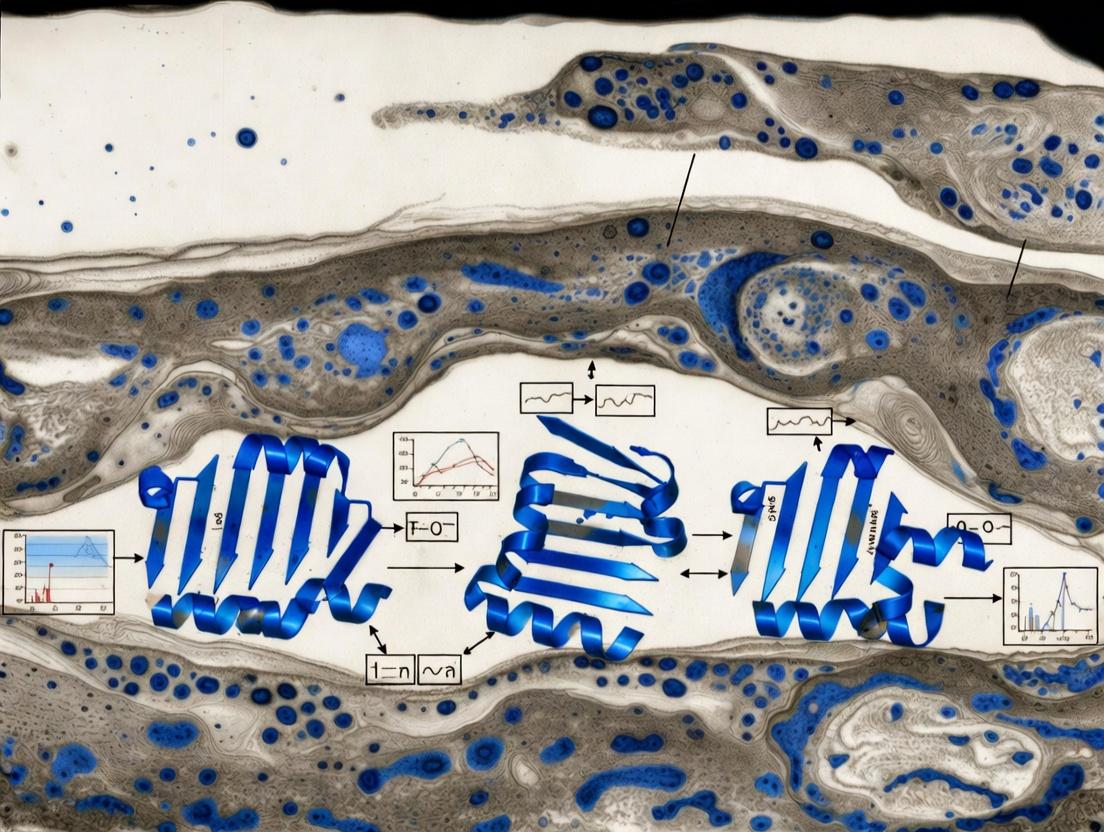
This article provides a comprehensive guide for researchers and developers on the critical challenge of visualizing dense, collagen-rich stromal tissues using Optical Coherence Tomography (OCT).
Beyond Transparency: Advanced OCT Contrast Enhancement Strategies for Imaging Dense Stromal Tissues
Abstract
This article provides a comprehensive guide for researchers and developers on the critical challenge of visualizing dense, collagen-rich stromal tissues using Optical Coherence Tomography (OCT). We explore the fundamental optical scattering properties that limit conventional OCT contrast in stroma, detail cutting-edge methodological approaches—including polarization-sensitive, spectroscopic, and computational techniques—for enhancing image differentiation. The content further addresses common pitfalls in protocol design and tissue preparation, offering troubleshooting and optimization strategies. Finally, we present a comparative analysis of emerging contrast-enhancing agents and validation frameworks against histology, providing a roadmap for advancing drug delivery studies, fibrosis research, and tumor microenvironment analysis in dense connective tissues.
The Stromal Challenge: Why Dense Collagen Tissues Are Invisible to Standard OCT
Troubleshooting Guides & FAQs
Q1: In our OCT imaging of pancreatic tumor stroma, we encounter severe signal attenuation beyond 500 µm depth, making the core lesion invisible. What are the primary causes and potential solutions?
A: This is a classic manifestation of the scattering barrier. The primary cause is the dense, highly-organized collagen matrix in desmoplastic stroma, which scatters and attenuates the near-infrared light used in standard OCT (centered around 1300 nm). Key parameters affecting penetration include:
- Collagen Density: Typically >50 mg/ml in dense fibrotic tissue.
- Collagen Fibril Diameter: Ranges from 50-200 nm, causing Mie scattering.
- Stromal Cellularity: High density of cancer-associated fibroblasts (CAFs) and immune cells adds to scattering.
Potential Solutions:
- Spectral Band Shift: Use longer wavelength OCT systems (e.g., 1700 nm window). Water absorption increases but scattering coefficient (µs) decreases significantly.
- Optical Clearing: Apply immersion-based clearing agents ex vivo or in situ to reduce refractive index mismatch.
- Inverse Signal Processing: Apply depth-dependent attenuation compensation algorithms.
Q2: When applying optical clearing agents to breast cancer stromal samples, we see inconsistent reduction in scattering. What are the critical protocol steps we might be missing?
A: Inconsistency often stems from poor agent diffusion. The dense extracellular matrix (ECM) acts as a diffusion barrier itself.
- Critical Step 1: Pre-treatment Tissue Permeabilization. Gentle decellularization or enzymatic loosening (e.g., low-dose collagenase type I at 0.1 mg/ml for 15 min) can be required before clearing agent application.
- Critical Step 2: Agent Formulation. Use a hyperosmotic clearing agent (e.g., 80% Glycerol in PBS) to establish an osmotic gradient that draws water out and pulls agent in. Monitor tissue hydration mass throughout.
- Critical Step 3: Validation Metric. Do not rely solely on OCT signal. Quantify clearing by measuring the reduced scattering coefficient (µs') before and after treatment using a validated model like the Whittle-Matérn model for OCT data.
Q3: Our attenuation compensation algorithm amplifies noise at greater depths, obscuring the signal. How can we mitigate this?
A: This is a common issue with simple exponential compensation models. The algorithm amplifies both signal and noise equally.
- Mitigation Strategy: Implement a model-based compensation (e.g., depth-resolved attenuation estimation) or a noise-regularized algorithm. Use the table below to choose an approach.
| Algorithm Type | Key Principle | Advantage | Typical SNR Improvement at Depth | Best for Tissue Type |
|---|---|---|---|---|
| Single-Parameter Expo. | Assumes constant µt. Applies exp(βz). | Simple, fast. | 5-10 dB (but high noise) | Homogeneous phantoms |
| Depth-Resolved (DRE) | Estimates µt(z) per A-scan. | Adapts to layer changes. | 15-25 dB | Layered tissues (e.g., mucosa) |
| Correlation-Based | Uses speckle statistics. | Less sensitive to bright features. | 10-20 dB | Highly heterogeneous stroma |
| Maximum-Likelihood | Statistical noise model. | Optimal noise suppression. | 20-30 dB | Low-signal regions |
Experimental Protocol: Measuring Stromal Scattering Properties with OCT
- Objective: Quantify the intrinsic scattering properties of dense stromal tissue to establish a baseline for contrast enhancement strategies.
- Materials: Fresh or properly fixed (e.g., 4% PFA, <24 hrs) tissue slice (1-2 mm thick), OCT system (e.g., spectral-domain, 1300 nm), index-matching immersion medium (e.g., PBS), calibration phantom.
- Procedure:
- System Calibration: Acquire OCT data from phantoms with known µs' (e.g., 1, 3, 5 mm⁻¹).
- Sample Preparation: Immerse tissue in PBS to minimize surface refraction. Ensure flat, clean surface facing the beam.
- Data Acquisition: Acquire 3D OCT volume (500 x 500 x 1024 pixels). Use sufficient power without saturating the surface signal. Average 5 frames per location to reduce speckle.
- Data Analysis: Extract A-scans from a region of interest (ROI). Fit the depth-dependent intensity decay I(z) to a model (e.g., single scattering model: I(z) ∝ exp(-2µt z)) to estimate the total attenuation coefficient µt. Use confocal function correction if needed.
- Validation: Correlate µt with second-harmonic generation (SHG) microscopy measurements of collagen density from an adjacent section.
OCT Scattering Barrier & Solutions
Scattering Coefficient Measurement Protocol
The Scientist's Toolkit: Research Reagent Solutions
| Reagent / Material | Function / Purpose | Example Product / Specification |
|---|---|---|
| Fructose/Glycerol-Based Clearing Agent | Reduces scattering by refractive index matching between collagen (n~1.48) and interstitial fluid. Hyperosmotic agent dehydrates and permeates tissue. | 70-80% Glycerol in PBS, or SeeDB (fructose-based). |
| Collagenase Type I (Low Concentration) | Enzymatically digests/loosens collagen fibrils to enhance clearing agent diffusion. Critical pre-treatment for very dense stroma. | 0.1 - 0.5 mg/ml in serum-free media, incubation for 10-30 min. |
| Agarose Phantom with Scattering Microspheres | Provides a stable, known standard for calibrating OCT system and validating attenuation compensation algorithms. | Polystyrene microspheres (d=0.5-1 µm) in 1-2% agarose, µs' tuned from 1-10 mm⁻¹. |
| Matrigel or Collagen I Hydrogel | Used to create 3D in vitro stromal models with embedded cells (CAFs, tumoroids) for controlled OCT studies. | High-concentration (≥8 mg/ml) Collagen I gel, pH 7.4. |
| Tissue-Tek O.C.T. Compound | Optimal embedding medium for frozen tissue sections in OCT cryo-imaging studies. Minimizes ice crystal artifacts. | Standard compound for cryostat sectioning. |
| Deuterium Oxide (D2O) Phosphate Buffer | Index-matching immersion medium with low absorption in 1300-1700 nm range for ex vivo imaging. | PBS prepared with D2O instead of H2O. |
Troubleshooting Guide: Common OCT Imaging Issues in Dense Stromal Tissues
Q1: Why do I obtain low-contrast OCT images when imaging dense, fibrotic tissue samples? A: Low contrast in dense stromal tissue is directly attributable to excessive, homogeneous scattering. High collagen fiber density with uniform, isotropic organization causes a high scattering coefficient (µs) but low scattering anisotropy (g), leading to a high reduced scattering coefficient (µs'). This results in a signal-dense but featureless image. To enhance contrast, you must manipulate optical properties. Implement a spatial frequency domain imaging (SFDI) pre-scan to map µs' and adjust your OCT system's center wavelength. For dense collagenous tissues, shifting to a longer wavelength (e.g., 1300 nm over 850 nm) can reduce scattering and improve penetration and contrast.
Q2: How can I differentiate between two tissue regions with similar total collagen content but different organization using OCT? A: Rely on scattering anisotropy metrics, not just intensity. Isotropic scattering (disorganized fibers) produces a larger speckle pattern and a more rapid signal decay with depth. Anisotropic scattering (highly aligned fibers) preserves coherence and shows directional intensity variation. Use Polarization-Sensitive OCT (PS-OCT). This modality detects birefringence caused by aligned collagen fibrils. Analyze the phase retardation images and degree of polarization uniformity. Aligned fibers will show strong, regular birefringence bands; disorganized fibers will show weak, irregular polarization effects.
Q3: My PS-OCT data shows inconsistent birefringence patterns in a supposedly uniform collagen scaffold. What could be wrong? A: Inconsistent birefringence often points to sample preparation or calibration issues.
- Sample Hydration: Collagen birefringence is highly sensitive to hydration. Dehydration during imaging creates artifacts. Ensure the sample is immersed in phosphate-buffered saline (PBS) and use a sealed imaging chamber.
- System Calibration: Verify the polarization state of your incident light. Use a well-characterized waveplate or a tissue phantom with known birefringence (e.g., rat tail tendon) to calibrate the system before each experiment.
- Pressure Artifacts: Mechanical pressure from the imaging window can realign fibers. Ensure the sample chamber allows for pressure-free mounting.
Frequently Asked Questions (FAQs)
Q: What is the definitive relationship between collagen fiber diameter and scattering coefficient? A: Scattering efficiency follows Mie theory trends. In the 800-1300 nm OCT wavelength range, scattering cross-section increases with fiber diameter up to a peak, after which it decreases. For typical stromal collagen (50-200 nm diameter), scattering strength (µs) is highly sensitive to diameter. A cluster of small-diameter fibers scatters more intensely than a single fiber of the same total mass.
Q: Which quantitative metric from OCT data best correlates with histologically measured collagen density? A: The attenuation coefficient (µt), derived from fitting the OCT A-scan depth profile, is the most direct correlate. However, it conflates absorption and scattering. For dense stroma, scattering dominates. Use a depth-resolved analysis (e.g., fitting the slope of the logarithmic intensity decay) to extract the scattering component. This derived scattering coefficient shows a strong positive, non-linear correlation with picrosirius red staining density or second harmonic generation (SHG) microscopy intensity.
Q: How can I experimentally validate that my OCT contrast changes are due to collagen and not other ECM components? A: Employ enzymatic degradation controls. Perform a baseline OCT/PS-OCT scan. Then incubate the tissue with collagenase (Type I) for a controlled duration (e.g., 15-30 mins). After washing, rescan the same region. A dramatic reduction in scattering intensity and loss of birefringence confirms collagen's primary role. Compare this to control incubations with hyaluronidase (for GAGs) or elastase.
Table 1: Scattering Properties vs. Collagen Organization
| Collagen Organization | Scattering Coefficient (µs) [mm⁻¹] @ 1300nm | Anisotropy (g) | Reduced Scattering Coefficient (µs') [mm⁻¹] | Dominant OCT Contrast Mechanism |
|---|---|---|---|---|
| Dense, Isotropic (Scar Tissue) | High (15-25) | Low (0.7-0.8) | High (4.5-7.5) | Signal attenuation, low penetration |
| Aligned, Anisotropic (Tendon) | Moderate (8-15) | High (0.9-0.95) | Low (0.8-1.5) | Birefringence, polarization contrast |
| Normal Stromal (Dermis) | Medium (10-18) | Medium (0.8-0.9) | Medium (2.0-3.6) | Combined intensity and polarization |
Table 2: OCT System Parameters for Enhanced Stromal Imaging
| Tissue Type | Recommended Center Wavelength | Key Imaging Modality | Critical Analysis Metric | Expected Penetration Depth (approx.) |
|---|---|---|---|---|
| Dense Fibrosis (e.g., liver) | 1300 nm | Attenuation Coefficient Mapping | Scattering Slope (µt) | 0.8 - 1.2 mm |
| Aligned Stroma (e.g., cornea) | 850 nm | Polarization-Sensitive OCT (PS-OCT) | Phase Retardation, DOPU | 1.5 - 2.0 mm |
| Tumor Stroma (heterogeneous) | Swept-Source (1060 nm) | OCT Angiography + Intensity Variance | Signal Variance, µs' Map | 1.0 - 1.5 mm |
Experimental Protocols
Protocol 1: Measuring Scattering Coefficient from OCT A-Scans
- Objective: To extract the depth-resolved attenuation coefficient (µt) from a raw OCT intensity profile.
- Procedure:
- Acquire a raw, unprocessed OCT A-scan (intensity vs. depth, z) from your region of interest.
- Apply a moving average filter to reduce speckle noise.
- Convert the linear intensity, I(z), to logarithmic scale: L(z) = 10 * log10(I(z)).
- Identify a depth region of interest (ROI) where the signal is above the noise floor and not saturated.
- Perform a linear least-squares fit on L(z) within this ROI: L(z) ≈ A - 2 * µt * z.
- The slope of the fitted line is -2 * µt. Solve for µt (mm⁻¹). This value represents the total attenuation coefficient, dominated by scattering in stromal tissues.
Protocol 2: PS-OCT Calibration Using a Birefringence Phantom
- Objective: To calibrate the polarization channels of a PS-OCT system for accurate birefringence measurement.
- Procedure:
- Phantom Preparation: Secure a sample of rat tail tendon (a highly birefringent standard) in a saline chamber.
- System Setup: Ensure your PS-OCT system's two orthogonal polarization detection channels are active.
- Initial Scan: Image the tendon, ensuring the beam is incident perpendicular to the fiber axis.
- Channel Balance: Adjust the gain of the two detection channels so that the intensity from an isotropic, non-birefringent region (e.g., a drop of milk) is equal.
- Phase Offset Correction: Analyze the phase difference between channels in a region without sample (air). Set this as the zero-retardance reference.
- Validation: The tendon should show a linear increase in phase retardation with depth. The slope is proportional to the tissue's birefringence (∆n).
Visualization
Diagram 1: Collagen Scattering Impact on OCT Signal
Diagram 2: PS-OCT Analysis Workflow for Stromal Tissue
The Scientist's Toolkit: Research Reagent Solutions
| Item | Function in OCT Stromal Research | Example/Catalog Note |
|---|---|---|
| Collagenase, Type I | Enzymatically degrades native collagen fibrils for validation control experiments. Confirms OCT signal origin. | Worthington Biochemical CLS-1; use at 0.5-1.0 mg/mL in PBS. |
| Picrosirius Red Stain | Histological gold standard for collagen density and morphology. Correlates with OCT attenuation maps. | Sigma-Aldrich 365548. Use with polarized light microscopy for birefringence correlation. |
| Matrigel / Collagen I Hydrogels | Tunable 3D phantoms with controllable density and alignment to calibrate scattering models. | Corning 354230 (Matrigel), 354236 (Rat Collagen I). |
| Silicon Microsphere Suspensions | Scattering phantoms for system point spread function (PSF) measurement and resolution validation. | Polysciences 24309; various diameters (0.5-3 µm). |
| Glycerol or Glucose | Optical clearing agents. Temporarily reduces scattering by refractive index matching for deeper OCT penetration. | 40-60% v/v glycerol in PBS. Reversible effect. |
| Rat Tail Tendon | Standard birefringence reference sample for PS-OCT system calibration. | Freshly harvested or commercially available (e.g., from biological suppliers). |
Troubleshooting & FAQ Center for OCT Contrast Enhancement in Dense Stroma
Context: This support content is part of a thesis investigating advanced Optical Coherence Tomography (OCT) contrast enhancement agents and techniques for visualizing and quantifying pathological changes in dense, collagen-rich stromal tissues.
Frequently Asked Questions (FAQs)
Q1: During in vivo corneal scar imaging, our targeted collagen hybridizing peptide (CHP) contrast shows weak and non-specific signal. What could be the issue? A: This is often due to poor peptide permeability through the intact epithelium or rapid clearance. Ensure you are using a permeabilizing agent (e.g., low-concentration benzalkonium chloride) in your topical formulation. Also, verify the pH of your application buffer is between 6.5-7.4 to optimize peptide binding to denatured collagen. Incubation time should be ≥ 30 minutes.
Q2: When quantifying fibrosis in a dermal model, automated OCT signal attenuation analysis yields inconsistent results between samples. A: Inconsistency typically arises from non-uniform sample illumination or surface topography. Implement a reference layer (e.g., a uniform silicone sheet) atop the tissue during imaging for normalization. Ensure your analysis algorithm uses a depth-resolved, normalized intensity gradient rather than a single average attenuation coefficient. Check that your OCT system's point spread function is stable.
Q3: Our targeted nanoparticle agent for tumor stroma accumulates poorly in the pancreatic ductal adenocarcinoma (PDAC) mouse model during dynamic contrast-OCT. A: Poor accumulation in dense PDAC stroma is a known challenge. First, confirm nanoparticle size is < 100 nm. Consider using a stroma-remodelling pre-treatment (e.g., a single dose of PEGylated hyaluronidase) 24 hours prior to agent administration to enhance permeability. Monitor systemic blood pressure, as hypotension in murine models can drastically reduce enhanced permeability and retention (EPR) effect.
Q4: In fibrotic liver imaging, the calculated contrast agent clearance kinetics from the tissue do not match pharmacokinetic models. A: This discrepancy can be caused by agent photobleaching (if fluorescent) or local heating from prolonged OCT beam exposure. Reduce scan frequency and power. Implement a control region without scan exposure to differentiate true clearance from signal decay. Also, measure agent stability in serum at 37°C; some nano-formulations may aggregate over time.
Experimental Protocols for Key Cited Experiments
Protocol 1: Ex Vivo Staining of Fibrotic Cornea for Contrast-OCT Validation
- Tissue Preparation: Excise fibrotic corneal buttons (≈ 8mm diameter). Rinse in 1X PBS.
- Fixation: Fix in 4% paraformaldehyde for 2 hours at 4°C.
- Permeabilization: Wash 3x in PBS. Incubate in 0.1% Triton X-100 for 45 minutes.
- CHP Staining: Incubate tissue with 10 µM of fluorescently-labeled CHP (e.g., CHP-Alexa Fluor 750) in PBS at 4°C overnight on a shaker.
- Washing: Rinse aggressively with PBS 5 times over 2 hours to remove unbound peptide.
- Imaging: Mount in OCT medium. Acquire OCT scans followed by correlative fluorescence microscopy to validate colocalization of OCT signal heterogeneity with CHP binding.
Protocol 2: Intra-vital Longitudinal Imaging of Dermal Fibrosis Regression
- Model: Use a validated mouse model of dermal fibrosis (e.g., bleomycin-induced).
- Agent Administration: Inject 100 µL of collagen-binding protein-based agent (e.g., CNA-35 conjugated to ICG) intravenously via tail vein at a dose of 2 mg/kg.
- OCT Imaging: Anesthetize mouse. Depilate imaging area. Acquire baseline (pre-contrast) OCT B-scans at designated positions using fiducial markers.
- Time-Series: Acquire post-contrast scans at the same positions at t = 5, 30, 60, 120 minutes.
- Analysis: Register all images. Calculate the normalized intensity increase (ΔI) in the dermal region of interest (ROI) relative to baseline and muscle as an internal reference.
Table 1: Performance Metrics of Common OCT Contrast Strategies in Dense Stroma
| Contrast Strategy | Target | Typical Concentration | Optimal Incubation Time | Signal-to-Background Ratio (Mean ± SD) | Key Limitation |
|---|---|---|---|---|---|
| Gold Nanorods (Active Targeting) | Tumor Stroma EGFR | 0.5 nM | 24h (in vivo) | 8.5 ± 1.2 | Potential immune clearance |
| Collagen Hybridizing Peptides (CHP) | Denatured Collagen | 10 µM | 30 min (ex vivo) | 15.3 ± 2.8 | Poor tissue penetration |
| ICG (Passive Accumulation) | Fibrotic Vasculature | 2 mg/kg (IV) | 5-10 min (in vivo) | 3.2 ± 0.9 | Fast clearance, nonspecific |
| Microbubbles (Dynamic) | Stromal Perfusion | 5x10^8 bubbles/mL | Bolus injection | N/A (Functional data) | Limited to vascular compartment |
Table 2: OCT Attenuation Coefficients (µt) of Key Biological Targets
| Tissue Type (State) | Mean µt (mm⁻¹) at 1300nm | Range (mm⁻¹) | Notes |
|---|---|---|---|
| Cornea (Normal) | 3.2 | 2.8 - 3.5 | Highly uniform |
| Cornea (Fibrotic Scar) | 6.8 | 5.5 - 9.0 | Coefficient correlates with scar density |
| Dermis (Healthy) | 4.5 | 3.8 - 5.5 | Varies with body site |
| Dermis (Scleroderma) | 8.2 | 7.0 - 10.5 | Elevated µt precedes clinical thickening |
| Pancreatic Tumor Stroma | 7.5 | 6.0 - 11.0 | High heterogeneity is prognostic |
| Fibrotic Liver | 5.9 | 4.5 - 8.0 | Lower than expected due to fat content |
The Scientist's Toolkit: Research Reagent Solutions
Table 3: Essential Reagents for Stromal-Targeted OCT Contrast Experiments
| Item | Function & Application | Example Product/Catalog # |
|---|---|---|
| Fluorescently-labeled CHPs | Binds to denatured collagen strands in scars/fibrosis; used for validation. | 3Helix CHP-AF750 |
| CNA-35 Protein, Recombinant | Collagen I/IV binding domain for agent functionalization. | In-house expression common |
| PEGylated Hyaluronidase | Enzymatic preconditioning to decompress tumor stroma for improved agent delivery. | PEGPH20 (investigational) |
| Clec9a-Targeting Antibody | For targeting dendritic cells in fibrotic stroma for immune modulation studies. | Anti-mouse Clec9a (clone 7H11) |
| IR-800/ICG Derivatives | NIR fluorophores for multimodal (OCT/Fluorescence) agent development. | IRDye 800CW NHS Ester |
| Biodegradable PLGA Nanoparticles | Tunable, encapsulating vehicle for contrast agents and drugs. | Custom synthesis from vendors like PolySciTech |
Diagrams
Title: OCT Contrast Experiment Workflow
Title: Stromal Pathobiology & Molecular Targets
Technical Support Center: OCT Contrast Enhancement for Dense Stromal Tissue
Troubleshooting Guides & FAQs
Q1: During in vivo corneal stromal imaging, my OCT B-scans appear uniformly hyperreflective with poor layer differentiation. What are the primary causes and solutions?
A: This is a common issue when imaging dense, hydrated stroma. The primary cause is insufficient optical contrast between collagen fibrils and the extrafibrillar matrix.
- Solution 1: Adjust System Coherence Length. Use a broadband light source (e.g., >150nm bandwidth at 1300nm). Verify axial resolution is <5µm in tissue. Recalibrate the spectrometer if using Spectral-Domain OCT.
- Solution 2: Implement Polarization-Sensitive OCT (PS-OCT). Dense stromal tissue is birefringent. Configure a PS-OCT module to detect polarization changes. Use the birefringence data to generate a separate contrast channel, isolating the fibrillar structure from the isotropic matrix.
- Solution 3: Utilize Contrast Agents (Ex Vivo/Research). Apply a hyperosmotic agent (e.g., 40% glucose) topically for 5 minutes prior to imaging. This temporarily alters the local refractive index mismatch by drawing water from the extrafibrillar space.
Q2: My PS-OCT system for dermal stromal imaging shows weak birefringence signal and noisy retardation maps. How can I improve signal-to-noise ratio (SNR)?
A: Weak birefringence signal often stems from incorrect system setup or sample preparation.
- Step 1: Verify Incident Polarization State. Ensure the incident light is circularly polarized. Use a quarter-wave plate before the sample and validate with a polarizer and power meter.
- Step 2: Increase Averaging. For ex vivo samples, increase frame averaging to at least 16-32 frames per B-scan location.
- Step 3: Check Sampling Density. Ensure your lateral scan step is less than half the spot size (fulfill Nyquist criterion). For 20µm spot size, step should be <10µm.
- Step 4: Post-Processing Correction. Apply a dual-intensity threshold filter. Set a minimum intensity threshold to exclude low-SNR regions and a maximum threshold to exclude specular reflections before calculating retardation.
Q3: When using depth-encoded collagen sensitivity (DECS) techniques, I observe artifactitious banding in my contrast-enhanced images. How do I eliminate these?
A: Banding artifacts typically arise from spectral leakage or miscalibration.
- Root Cause & Fix: This is often due to miscalibrated k-linearization. Perform a re-linearization of the k-space using a mirror reflection at 3-5 depths across the imaging range. Ensure the reference arm motor (if in a swept-source system) has a constant velocity. Apply a Hanning or Gaussian window function in the spectral domain before FFT to reduce spectral leakage.
Q4: For drug efficacy studies in fibrotic liver stroma, what OCT protocol best quantifies collagen reduction over time?
A: A multi-contrast, longitudinal protocol is required.
- Protocol: Use a 1300nm SS-OCT system with a PS-OCT attachment. For each animal/time point:
- Acquisition: Capture 3D volumes (500 x 500 x 1024 pixels) over the same anatomical landmark.
- Contrast Channels: Generate co-registered intensity, retardation, and optic axis images.
- Segmentation: Use the retardation map to segment the fibrotic capsule (>0.5µm retardation threshold).
- Quantification: Calculate the Normalized Stromal Volume (NSV) and Mean Retardation (MR) within the segmented region.
- Validation: Correlate NSV and MR with histopathological picrosirius red (PSR) collagen area fraction from adjacent slices.
Table 1: Performance Metrics of OCT Modalities for Stromal Imaging
| Modality | Central Wavelength | Axial Resolution (in tissue) | Key Contrast Mechanism | Best For Stromal Type | Typical SNR Gain (vs. Std. OCT) |
|---|---|---|---|---|---|
| Standard SD-OCT | 840nm / 1300nm | 3-5 µm | Backscatter Intensity | Cornea, Early Fibrosis | Baseline |
| Polarization-Sensitive (PS) OCT | 1300nm | 5-7 µm | Birefringence (Retardation) | Dense Cornea, Dermis, Tendon | 15-20 dB |
| OCT Elastography | 1300nm | 7-10 µm | Micro-mechanical Displacement | Liver Fibrosis, Tumor Stroma | 10-15 dB* |
| Contrast-Enhanced (Osmotic) OCT | 840nm | 3-5 µm | Refractive Index Matching | Corneal Edema, Ex Vivo Specimens | 8-12 dB |
*SNR gain refers to contrast-to-noise ratio in detecting stromal features.
Table 2: Impact of Enhanced Stromal Contrast on Research Metrics
| Application (Model) | Key OCT Metric | Control Group Mean (±SD) | Treated Group Mean (±SD) | p-value | Correlation with Gold Standard (R²) |
|---|---|---|---|---|---|
| Anti-Fibrotic Drug (Liver, Murine) | Normalized Stromal Volume | 0.42 ± 0.07 | 0.21 ± 0.05 | <0.001 | 0.91 (vs. PSR Area) |
| Corneal Cross-Linking (Ex Vivo) | Mean Retardation (deg/µm) | 0.18 ± 0.03 | 0.52 ± 0.08 | <0.001 | 0.89 (vs. Young's Modulus) |
| Tumor Stroma Response (PDAC, Murine) | Stromal Permeability Index (from DECS) | 1.00 ± 0.15 (Baseline) | 1.85 ± 0.30 (Day 7) | 0.003 | 0.78 (vs. Immunofluorescence) |
Experimental Protocols
Protocol 1: PS-OCT for Quantifying Corneal Stromal Birefringence
- Objective: To non-invasively map and quantify corneal stromal lamellar organization.
- Materials: PS-OCT system (1300nm), animal holder, artificial tear solution.
- Method:
- Anesthetize the subject (e.g., mouse). Apply topical artificial tears to prevent corneal dehydration.
- Position the subject so the corneal apex is normal to the OCT beam.
- Acquire a 3D volume scan (6mm x 6mm, 400 A-scans x 400 B-scans).
- Process raw interferograms through Jones matrix calculus to extract intensity, retardation, and optic axis orientation maps.
- In the central 3mm zone, segment the stroma based on intensity. Calculate the cumulative retardation through the entire stromal thickness.
- Export data as a normalized gradient map for lamellar discontinuity analysis.
Protocol 2: Osmotic Contrast Enhancement for Ex Vivo Dermal Stroma
- Objective: To enhance visualization of collagen fibrils in dense, opaque dermal scar tissue.
- Materials: Standard SD-OCT system (840nm), 40% w/v glucose solution, biopsy specimen, immersion chamber.
- Method:
- Mount the fresh tissue sample in a chamber with saline. Acquire a baseline 3D OCT volume.
- Gently remove saline and immerse the sample in 40% glucose solution.
- Incubate at 4°C for 60 minutes.
- Rinse briefly with saline and acquire a post-treatment 3D OCT volume in the same location.
- Co-register volumes using fiduciary markers. Calculate the relative intensity increase in the stromal region using the formula:
(I_post - I_pre) / I_pre. - Fix the sample and process for SHG microscopy for validation.
Mandatory Visualizations
Title: PS-OCT System Workflow for Stromal Birefringence
Title: Osmotic Contrast Mechanism in Stromal Tissue
The Scientist's Toolkit: Research Reagent Solutions
Table 3: Essential Reagents & Materials for Stromal Contrast Experiments
| Item | Function/Description | Example Product/Catalog # (for reference) |
|---|---|---|
| Hyperosmotic Clearing Agents | Temporarily reduces extracellular water, increasing refractive index matching for enhanced fibril contrast. | D-(+)-Glucose (40% w/v solution), Glycerol (≥99%), Iodixanol. |
| Collagen Hybridizing Peptide (CHP) | Fluorescent probe that binds to denatured collagen; can be used for co-registration validation. | 3Helix F-CHP (FAM labeled). |
| Picrosirius Red (PSR) Stain | Histopathological gold standard for collagen detection and birefringence under polarized light. | Abcam ab246832 (Sirius Red Stain Kit). |
| Immersion Oil (LOWRI) | Low refractive index (~1.38) oil for coupling objectives to tissue, reducing surface scattering. | Cargille Labs Type 37. |
| Agarose Phantoms | Tissue-mimicking phantoms with controlled birefringence for PS-OCT system calibration. | 1% Agarose with 0.5% Intralipid, stretched for alignment. |
| Fiducial Markers | For precise co-registration between OCT volumes and histological sections. | Davidson Marking System D120. |
Toolkit for Clarity: Methodological Approaches to Enhance OCT Contrast in Stroma
Technical Support Center: Troubleshooting & FAQs
This support center is designed to assist researchers using PS-OCT for collagen fiber tracking within dense stromal tissue, a key methodology for OCT contrast enhancement in our thesis research. The following guides address common experimental challenges.
Frequently Asked Questions (FAQs)
Q1: During in vivo stromal imaging, my PS-OCT signal-to-noise ratio (SNR) is insufficient for reliable birefringence calculation. What are the primary causes? A: Low SNR in birefringence channels typically stems from:
- Sample motion: In living tissue, physiological motion (e.g., breathing, heartbeat) causes speckle decorrelation, averaging out polarization signals. Implement gated acquisition or faster line-scan rates.
- Incorrect polarization state: The incident polarization state on the sample may be circular, not linear, due to misalignment in the illumination path. Recalibrate using a mirror and polarization controller.
- Weak birefringence: Some stromal tissues have slower collagen fibril alignment, producing weaker retardance. Increase the number of accumulated frames (N) cautiously, as it trades off temporal resolution.
Q2: How do I validate that my system is accurately measuring retardance and optic axis orientation? A: Follow this two-step calibration and validation protocol:
- System Calibration: Use a well-defined quarter-waveplate. Place it in the sample arm and rotate it through known angles. Measure the output Stokes vectors. System-induced polarization distortions must be characterized and corrected using Mueller matrix calculus.
- Sample Validation: Image a known birefringent phantom (e.g., a PS-OCT target with form-birefringent layers) or a standard tissue sample (e.g., rat tail tendon) and compare measured retardance values against literature standards or independent measurements (e.g., histology with picrosirius red).
Q3: What are the main artifacts in collagen fiber tracking derived from PS-OCT data, and how can I mitigate them? A: Common artifacts and solutions:
| Artifact | Cause | Mitigation Strategy |
|---|---|---|
| Optic Axis Ambiguity | The 180° periodicity of the axis measurement. PS-OCT cannot distinguish between θ and θ+π. | Implement fiber tracking algorithms that use spatial continuity constraints or combine with polarization uniformity data. |
| Noise in Low-SNR Regions | Areas of low reflectivity or weak birefringence (e.g., around cells in stroma). | Apply adaptive spatial filtering (e.g., Gaussian kernel) weighted by local SNR. Do not over-filter. |
| Birefringence Roll-Off | Decreasing sensitivity to retardance with imaging depth, similar to intensity roll-off. | Characterize system roll-off and apply a depth-dependent correction factor to retardance values. |
Q4: How can I co-register PS-OCT-derived fiber orientation maps with standard histology (H&E, picrosirius red)? A: This is critical for thesis validation. Use a fiducial marker-based protocol:
- Sample Preparation: Before embedding and sectioning, create micro-indents or apply India ink tattoos at specific locations around the tissue block.
- Imaging: Record the 3D position of these fiducials in your PS-OCT volume.
- Sectioning & Staining: After histology processing, digitally scan the slides.
- Registration: Use the fiducials as anchor points to perform a rigid (or affine) 3D-to-2D registration between the OCT volume en face map and the histological image stack.
Key Experimental Protocols
Protocol 1: System Calibration for Quantitative Birefringence Imaging
- Objective: To correct for system-induced polarization alterations.
- Materials: NIR mirror, polarization controller, calibrated quarter-waveplate.
- Steps:
- Place a mirror in the sample arm.
- Vary the input polarization state using the polarization controller across at least four different states.
- Record the reflected Jones matrix for each state,
J_sys. - Compute the system's cumulative round-trip Mueller matrix,
M_sys. - For all subsequent sample measurements (
M_total), calculate the sample-specific Mueller matrix as:M_sample ≈ M_total * M_sys^{-1}(assuming weak diattenuation).
- Validation: Measure a test waveplate. Retardance error should be < 5%.
Protocol 2: Ex Vivo Dense Stroma Imaging for Collagen Quantification
- Objective: To acquire high-fidelity 3D birefringence maps of dense stromal tissue (e.g., cornea, dermis, tumor stroma).
- Tissue Preparation: Fix tissue in 10% neutral buffered formalin for 24 hours to stabilize structure. Rinse and store in PBS. For imaging, mount in an agarose well or between cover slips with index-matching gel.
- PS-OCT Settings:
- A-scans: 1024 pixels/scan.
- B-scans: 500-1000 lines/frame.
- Frame Averaging: 3-5 frames per B-scan position for ex vivo samples.
- Scan Pattern: 3D volume scan (e.g., 500 x 500 B-scans).
- Data Processing: Process raw interferograms through standard OCT reconstruction, then apply Jones or Mueller matrix analysis to compute depth-resolved retardance (δ) and optic axis orientation (θ) per pixel.
The Scientist's Toolkit: Key Research Reagent Solutions
| Item | Function in PS-OCT Stromal Research |
|---|---|
| Formalin-Fixed Paraffin-Embedded (FFPE) Tissue Blocks | Gold-standard for preserving tissue architecture for post-imaging histological correlation. |
| Picrosirius Red Stain | Histological stain that selectively binds to collagen (types I and III) and enhances birefringence under polarized light microscopy, enabling direct comparison to PS-OCT maps. |
| Index-Matching Gel (e.g., Ultrasound Gel) | Reduces surface specular reflection and minimizes optical refraction at irregular tissue surfaces, improving signal penetration. |
| Birefringence Test Phantom | Custom or commercial phantom with known, stable retardance values (e.g., layers of polyester film, titania/silica nanocomposites) for daily system validation. |
| Fiducial Markers (India Ink, Laser Micro-dots) | Crucial for achieving spatially accurate co-registration between volumetric PS-OCT data and 2D histological sections. |
Visualization Diagrams
Title: PS-OCT Data Processing and Analysis Workflow
Title: PS-OCT Artifacts: Causes and Solutions
Technical Support Center
Troubleshooting Guide & FAQs
Q1: During in situ sOCT of dense stromal tissue (e.g., breast or pancreas), my extracted spectral slopes appear noisy and non-reproducible. What could be the cause? A1: This is commonly due to insufficient signal-to-noise ratio (SNR) in spectrally resolved interferograms, exacerbated by high optical scattering in dense tissue. Implement the following protocol:
- Increase A-line averaging (minimum 8-16 per spatial pixel) to improve per-spectral-bin SNR.
- Apply a optimized spectral shaping window (e.g., Tukey with α=0.5) during FFT to reduce spectral leakage.
- Post-processing: Use a robust sliding-window linear regression (window size: 15-25 spectral bins) over the wavelength range of interest (e.g., 750-850 nm) to calculate the local spectral slope (β). Ensure window size is >3 times the OCT axial resolution in tissue.
Q2: I am trying to differentiate collagen subtypes in fibrotic stroma using sOCT-derived central wavelength (λc) shifts. My system's calibration seems off. How do I perform a spectral calibration? A2: Accurate λc mapping requires precise wavelength-to-pixel calibration.
- Protocol - Daily Spectral Calibration:
- Acquire a reference spectrum from a known, narrow-linewidth light source (e.g., a gas discharge lamp like Argon or a calibrated laser).
- Record the interferogram from a single, strong reflector (e.g., a mirror) placed at the sample arm focus.
- Extract the spectral fringes and perform a non-uniform FFT using the known reference wavelength peaks to map pixel index to wavelength (λ).
- Save this λ-array and apply it to all subsequent tissue measurements that day. Recalibrate if the spectrometer is disturbed.
Q3: How can I validate that my measured spectral signatures (e.g., lipid vs. collagen) are not artifacts of tissue scattering geometry? A3: Perform a control experiment using phantoms with known, varying scattering (μs') but identical absorption (μa).
- Protocol - Scattering Artifact Control:
- Prepare Phantoms: Create Intralipid- or microsphere-based phantoms with matched μa (using a non-absorbing dye like India ink at trace concentration) but varying μs' (e.g., 5, 10, 15 cm⁻¹ at 800 nm).
- Acquire sOCT Data: Image each phantom with identical settings (power, integration time).
- Analyze: Extract the wavelength-dependent attenuation coefficient (μt(λ)) for each phantom. If your spectral signature analysis method (e.g., principal component analysis) incorrectly classifies these phantoms into different "biochemical" groups, your algorithm is confounded by scattering and requires refinement (e.g., incorporating a depth-resolved scattering correction model).
Q4: When performing dynamic sOCT to monitor drug-induced stromal remodeling, how do I correct for sample motion? A4: Use a post-processing, sub-pixel registration algorithm.
- Acquire repeated B-scans at the same location (M-B mode).
- For each sequential B-scan, compute the cross-correlation with a reference B-scan (first or time-averaged).
- Apply a rigid or non-rigid (e.g., B-spline) transformation to align the B-scans axially and laterally.
- Critical for sOCT: Ensure the registration is applied to the complex interferometric data before spectral analysis to maintain phase and spectral integrity. Applying registration after spectral decomposition will corrupt the biochemical maps.
Q5: What are the key specifications for a broadband source suitable for sOCT in the 1300 nm window for deeper stromal penetration? A5: The source critically impacts spectral contrast depth range. Key specifications are:
| Parameter | Target Specification | Rationale for Stromal Tissue |
|---|---|---|
| Center Wavelength | 1300 ± 30 nm | Optimal trade-off between scattering (reduces with longer λ) and water absorption (increases with longer λ). |
| Bandwidth (FWHM) | ≥ 150 nm | Enables axial resolution < 5 μm in tissue and provides sufficient spectral points for analysis. |
| Average Power | ≥ 10 mW (on sample) | Provides necessary SNR for spectral analysis at depths > 0.5 mm in highly scattering stroma. |
| Spectral Shape | Smooth, Gaussian-like | Prevents artifacts in the depth point spread function and simplifies spectral normalization. |
The Scientist's Toolkit: Research Reagent Solutions
| Item | Function in sOCT for Stromal Research |
|---|---|
| Tissue-Mimicking Phantoms (e.g., Silicone with TiO₂/ Al₂O₃ scatterers, Nigrosin absorber) | System validation and calibration. Phantoms with known, stable μa and μs' simulate stromal optical properties to test sOCT algorithm accuracy. |
| Type I Collagen Gel (High Concentration, 5-8 mg/mL) | In vitro 3D model of dense, non-cellular stroma. Used to establish baseline spectral signatures for collagen and study enzymatic (e.g., collagenase) remodeling dynamics. |
| Matrigel (Growth Factor Reduced) | Basement membrane mimic. Useful for co-culture studies with cancer-associated fibroblasts (CAFs) to investigate cell-induced matrix compaction and its spectral signature. |
| Pharmacological Agents: BAPN (β-aminopropionitrile) | Lysyl oxidase inhibitor. Used ex vivo or in vivo to disrupt collagen cross-linking, allowing study of how cross-link density influences sOCT spectral parameters (e.g., λc, β). |
| Fluorescent Dyes: CNA35-OG488 (Collagen Hybridizing Peptide) | Histological validation. Provides direct, specific fluorescence labeling of denatured/disrupted collagen. Correlate fluorescence intensity with sOCT spectral slope maps. |
| Index Matching Glycerol/PBS Solution | Reduces surface specular reflection and index mismatch at the tissue-air interface, improving signal penetration into stromal tissue for ex vivo studies. |
Experimental Protocols
Protocol 1: Core Protocol for sOCT Spectral Slope (β) Mapping in Dense Stroma Objective: Generate parametric maps of the local attenuation spectral slope from sOCT data of dense stromal tissue. Steps:
- Data Acquisition: Acquire 3D OCT dataset. Ensure oversampling in depth (≥ 4 pixels/axial resolution) and adequate SNR (> 90 dB).
- Spectral Resampling: Apply the wavelength calibration array (from Q2 protocol) to resample the raw interferogram from pixel-space to linear-wavelength-space.
- Short-Time Fourier Transform (STFT): For each A-line, apply a Gaussian window (FWHM ~2-3x axial resolution) at progressively deeper depths. Compute FFT of each windowed segment.
- Spectral Analysis: For each depth-localized spectrum, I(z, λ), fit the amplitude to the model: I(z, λ) ∝ exp(-2μt(λ)z). Calculate μt(λ).
- Slope Calculation: In the pre-determined λ-range (e.g., 780-870 nm), perform a linear fit: μt(λ) = βλ + C. The calculated coefficient β (in μm⁻¹nm⁻¹) is the spectral slope at that voxel.
- Generate Parametric Map: Display β for all voxels as a false-color overlay on the OCT intensity image.
Protocol 2: Ex Vivo Validation of sOCT Lipid Signatures in Fibrotic Liver Objective: Correlate sOCT spectral features with histologically confirmed lipid deposits in steatotic liver stroma. Steps:
- sOCT Imaging: Image freshly excised murine or human liver tissue samples (n≥5) with sOCT system. Acquire 3D volumes of regions of interest.
- Spectral Feature Extraction: Compute the Lipid-Ratio (LR) parameter: LR = [μt(1210 nm) / μt(1300 nm)] within adipocyte regions.
- Tissue Processing: Precisely register and fix the imaged tissue. Section serially.
- Histology: Stain consecutive sections with:
- H&E: General morphology.
- Oil Red O (ORO) or Sudan Black: Specific for neutral lipids.
- Correlative Analysis: Register ORO-stained slides (binary mask of lipid droplets) to the sOCT LR map. Calculate the Pearson correlation coefficient between the ORO-positive area fraction and the mean LR value in matched ROIs across all samples.
Diagrams
Title: sOCT Spectral Quality Troubleshooting Flow
Title: Spectral Slope Mapping & Validation Workflow
Troubleshooting Guides & FAQs
Q1: During training of a U-Net for OCT speckle reduction, my model's validation loss plateaus early and the output images appear over-smoothed, losing critical stromal texture. What could be the cause?
A: This is typically a problem of loss function mismatch. Using only Mean Squared Error (MSE) prioritizes pixel-wise accuracy over perceptual texture. For stromal tissue, where fibrillar patterns are key, this is insufficient.
- Solution: Implement a composite loss function. Combine a perceptual loss (e.g., using a pre-trained VGG network to compare feature maps) with a texture-based loss (e.g., a Gradient Magnitude Similarity loss). This encourages the model to preserve edges and microstructures. Also, verify your training data includes a wide range of clinically relevant noise levels and stromal morphologies.
Q2: My feature extraction CNN fails to generalize when applied to OCT volumes from a different scanner model. Performance drops significantly. How can I improve cross-device robustness?
A: This is a domain adaptation or generalization problem due to scanner-specific point spread functions and intensity distributions.
- Solution: Implement one or more of the following:
- During Preprocessing: Use a standardized calibration-based normalization routine, referencing a phantom scan if available.
- During Training: Use data augmentation that simulates scanner variations (e.g., applying controlled blur kernels, contrast shifts, and synthetic speckle patterns).
- Model Architecture: Integrate a Domain-Adversarial Neural Network (DANN) component during training. This introduces a gradient reversal layer to learn features that are invariant to the scanner domain.
- Protocol: Train your primary feature extractor alongside a domain classifier. The objective is to maximize feature performance for your main task (e.g., classification) while minimizing the domain classifier's ability to identify the source scanner.
Q3: When applying a pretrained denoising model to my dense stromal OCT data, I observe "hallucination" or introduction of false, repeating fibrous structures not in the original image. How can I mitigate this?
A: This is a known risk with highly expressive deep learning models, especially Generative Adversarial Networks (GANs).
- Solution:
- Model Choice: Shift from a GAN-based approach to a Noise2Noise or Noise2Void training paradigm if paired clean/noisy data is scarce. These methods are less prone to hallucination as they learn the data distribution's statistics more conservatively.
- Validation: Implement a reconstruction fidelity check. Calculate the per-pixel difference between the raw and denoised image. The residual should resemble noise, not structured anatomical patterns. Use a Fourier transform to check for introduced periodic artifacts.
- Regularization: Increase weight regularization (L1/L2) or add a total variation (TV) loss term to the model's objective function to promote smoother, more natural outputs.
Q4: What are the minimum dataset requirements (number of images, subjects) for training a reliable stromal feature extractor from scratch?
A: Requirements vary by model complexity and stromal feature specificity. Below is a general guideline:
Table 1: Dataset Sizing Guidelines for Stromal OCT AI Models
| Model Task & Type | Minimum Recommended B-Scans | Minimum Subjects | Key Consideration for Stromal Tissue |
|---|---|---|---|
| Denoising (Supervised, U-Net) | 2,000 - 5,000 (paired) | 15-20 | Ensure pairs cover varying stromal density (e.g., anterior vs. posterior cornea). |
| Feature Extraction (Pre-trained CNN with Fine-tuning) | 1,000 - 2,000 (labeled) | 10-15 | Leverage transfer learning from natural images; focus labels on stromal-specific features. |
| Feature Extraction (CNN from Scratch) | 10,000+ (labeled) | 50+ | Impractical for most single studies; requires multi-center collaboration. |
| Unsupervised Denoising (Noise2Noise) | 5,000+ (unpaired, noisy) | 25+ | Requires two independent noise realizations per approximate location. |
Q5: How do I quantitatively validate that my denoising algorithm preserves biologically relevant features in stromal tissue, beyond standard PSNR and SSIM?
A: Standard metrics fail to capture clinical relevance. Implement a task-based validation protocol:
- Downstream Task Performance: Use the denoised images as input for a predefined, quantifiable task (e.g., segmentation of keratocyte nuclei, tracking of fibrillar orientation). Compare the task performance (e.g., Dice score, orientation accuracy) using raw vs. denoised images.
- Biophysical Metric Consistency: Extract key stromal biophysical metrics (e.g., tissue scattering coefficient from OCT intensity, fractal dimension of texture) from both raw and denoised images. The correlation between these metrics should be very high (>0.95) across a test set. Significant deviation indicates feature distortion.
Table 2: Advanced Validation Metrics for Stromal OCT Enhancement
| Metric Category | Specific Metric | Target Value for Stromal Fidelity | Measurement Protocol |
|---|---|---|---|
| Texture Preservation | Gray-Level Co-occurrence Matrix (GLCM) Contrast Correlation | < 15% change from raw image | Calculate on a representative stromal ROI (avoid epithelium/endothelium). |
| Edge Sharpness | Gradient Magnitude Mean (GMM) | ≥ Raw image GMM | Apply Sobel filter; compute mean magnitude in transitional stromal regions. |
| Downstream Task | Keratocyte Detection F1-Score | Must not decrease vs. raw | Use a pre-validated, non-AI detection algorithm (e.g., marker-controlled watershed) as ground truth proxy. |
Experimental Protocols
Protocol 1: Training a Dense Stromal U-Net Denoiser with Perceptual Loss
Objective: Train a U-Net model to reduce speckle noise in OCT images of corneal stroma while preserving ultrastructural texture. Materials: Paired noisy/denoised OCT B-scans. ("Denoised" can be from averaging or BM3D filtering).
- Data Preparation: Extract stromal ROIs from full B-scans. Normalize each image pair to [0,1]. Split data 70/15/15 (train/validation/test).
- Augmentation: Apply real-time augmentation: small rotations (±5°), horizontal flips, and mild elastic deformations to simulate biological variance.
- Model: Implement a standard U-Net with 4 encoding/decoding blocks. Use Instance Normalization.
- Loss Function:
L_total = λ1 * L_MSE + λ2 * L_Perceptual + λ3 * L_MS-SSIM. WhereL_Perceptualis L1 loss on VGG16 'block2_conv2' features. Start with λ1=1.0, λ2=0.1, λ3=0.01. - Training: Train for 200 epochs using Adam optimizer (lr=1e-4), batch size=16. Reduce LR on plateau.
Protocol 2: Cross-Scanner Validation of a Stromal Feature Classifier
Objective: Evaluate classifier robustness across two OCT scanners (e.g., Spectralis vs. Cirrus).
- Dataset Curation: Acquire stromal OCT images from both scanners, annotated for the same feature (e.g., "hyper-reflective foci").
- Preprocessing Pipeline: Apply identical stromal flattening, intensity normalization (percentile-based, e.g., clip between 1st and 99.5th percentile), and resizing.
- Training Strategy: Train on Scanner A's data. Perform evaluation in three stages:
- Test A: Hold-out set from Scanner A.
- Test B: Full dataset from Scanner B.
- Test B (Adjusted): Apply simple histogram matching from Scanner B's distribution to Scanner A's on the test set.
- Analysis: Report accuracy, precision, recall, and F1-score for all three tests. A significant drop in Test B that recovers in Test B (Adjusted) indicates a pure contrast/amplitude domain shift.
Visualizations
AI Denoising Model Training Workflow
OCT Features in Stromal Tissue Research Context
The Scientist's Toolkit: Research Reagent Solutions
Table 3: Essential Components for AI-Driven OCT Stromal Research
| Item / Solution | Function in Research | Example / Specification |
|---|---|---|
| High-Quality Paired Dataset | Gold standard for supervised denoising training. | Created via multi-frame averaging (e.g., 10+ registrations) or using a proven algorithm (BM3D) as pseudo-ground truth. |
| Stromal Segmentation Model | Isolates the stromal region of interest for focused analysis. | A pre-trained U-Net model on manually annotated OCT B-scans for corneal layers. |
| Texture Analysis Library | Quantifies AI-preserved or extracted stromal features. | Python scikit-image for GLCM, Gabor filters; or a custom CNN texture encoder. |
| Domain Adaptation Framework | Improves model generalizability across devices. | PyTorch DANN implementation or Contrastive Learning framework (SimCLR). |
| Perceptual Loss Module | Guides denoising models to preserve visually realistic structures. | A frozen, pre-trained VGG-19 network (up to intermediate layers) integrated into the loss function. |
| Benchmarking Pipeline | Systematically compares new AI algorithms against baselines. | Scripts that compute PSNR, SSIM, texture metrics, and run downstream tasks on a fixed test set. |
| Synthetic Noise Generator | Augments data for robust training or simulates low-quality scans. | Algorithm to inject realistic, spatially correlated speckle noise into clean(er) OCT images. |
Technical Support Center
FAQs & Troubleshooting
Q1: During optical clearing of dense stromal tissue (e.g., skin, tumor), the tissue becomes distorted or shrinks. What is the cause and solution? A: This is typically due to overly rapid dehydration or an imbalance in the hyperosmotic agent concentration. For protocols involving sucrose or fructose-based OCAs, ensure a graded series of increasing concentration (e.g., 20%, 40%, 60%, 80% w/v) with sufficient incubation time (2-4 hours per step) at 4°C to allow gradual diffusion and minimize osmotic shock. For hydrogel-based methods (e.g., CLARITY), ensure complete polymerization before electrophoresis.
Q2: My targeted nanoparticles (NPs) show high non-specific binding in stromal-rich OCT imaging, obscuring the signal from the intended target. How can I improve specificity? A: This is a common challenge in dense extracellular matrix. Implement a multi-step blocking and washing protocol:
- Pre-block tissue with 2-5% bovine serum albumin (BSA) or serum from the host species of your secondary detection system for 2 hours.
- Use nanoparticles conjugated with polyethylene glycol (PEG) chains ("PEGylation") of at least 2 kDa density.
- Include a low-concentration (0.1-0.3%) detergent (e.g., Tween-20) in wash buffers.
- Consider using a "pre-clearing" step with non-targeted, isotype-matched NPs to saturate non-specific sites before applying your targeted NPs.
Q3: After applying an optical clearing agent (OCA), the OCT signal intensity decreases instead of increasing. Why? A: This indicates refractive index (RI) mismatch. The OCA's final RI does not match the homogenized tissue RI. You must measure the RI of your cleared tissue sample (e.g., with a refractometer) and adjust your OCA formula. See Table 1 for common OCA RI values. A final RI between 1.38 and 1.45 is typically targetable for most stromal tissues.
Q4: What is the optimal incubation time for nanoparticle penetration in thick, cleared stromal tissue samples? A: Penetration time is highly dependent on nanoparticle size, surface charge, and tissue porosity post-clearing. As a rule of thumb:
- For NPs <50 nm: Incubate 12-24 hours at room temperature with gentle agitation.
- For NPs 50-100 nm: Incubate 24-48 hours.
- Always validate penetration depth by performing z-stack OCT imaging and quantifying signal decay with depth. Use fiducial markers to track specific planes.
Q5: Can I combine OCAs with nanoparticle labeling for OCT? A: Yes, but the sequence is critical. The standard workflow is to first label the tissue with targeted NPs, then perform optical clearing. Applying OCAs first can alter epitope conformation and reduce nanoparticle binding affinity. Fix the tissue after NP labeling to lock them in place before clearing.
Experimental Protocols
Protocol 1: Graded Sucrose-Based Optical Clearing for Dense Stroma (ex vivo) Purpose: To render dense collagenous tissue transparent for enhanced OCT imaging depth. Materials: Phosphate-buffered saline (PBS), paraformaldehyde (PFA), graded sucrose series, optical mounting medium. Steps:
- Fixation: Immerse tissue sample (≤1 cm³) in 4% PFA for 24 hours at 4°C.
- Wash: Rinse in PBS 3x, 1 hour each.
- Dehydration/Clearing: Sequentially immerse the sample in sucrose solutions: 20%, 40%, 60%, 80% (w/v in PBS). Incubate at 4°C for 24-48 hours per step until the tissue sinks.
- Mounting: Place tissue in a chamber filled with 80% sucrose or a matching RI mounting medium.
- Imaging: Acquire OCT images immediately.
Protocol 2: Conjugation of Targeting Ligands to Gold Nanorods for OCT Contrast Purpose: To create actively targeted plasmonic nanoparticles for molecular OCT. Materials: PEGylated Au Nanorods (λ~800 nm), N-hydroxysuccinimide (NHS), 1-ethyl-3-(3-dimethylaminopropyl)carbodiimide (EDC), targeting peptide (e.g., RGD), centrifugation equipment. Steps:
- Activation: Dilute 1 mL of Au nanorods (1 nM) in 2-morpholinoethanesulfonic acid (MES) buffer, pH 6.0. Add EDC and NHS to final concentrations of 5 mM and 2.5 mM, respectively. React for 15 minutes with gentle stirring.
- Purification: Centrifuge at 14,000 rpm for 10 minutes to remove excess EDC/NHS. Resuspend pellet in PBS, pH 7.4.
- Conjugation: Add the targeting peptide (1000x molar excess to AuNRs). React for 2 hours at room temperature.
- Blocking: Add 100 μL of 1M ethanolamine for 15 minutes to quench unreacted sites.
- Purification: Centrifuge 3x to remove unbound peptide. Resuspend in PBS with 0.1% BSA for storage.
Data Presentation
Table 1: Properties of Common Optical Clearing Agents for Stromal Tissue
| OCA Name | Base Composition | Typical Refractive Index (RI) | Clearing Time (for 1mm³) | Key Advantage for Stroma | Main Disadvantage |
|---|---|---|---|---|---|
| ScaleS4 | Urea, Glycerol, Triton X-100 | ~1.38 | 7-14 days | Excellent tissue preservation | Very slow |
| CUBIC | Aminoalcohols, Urea | 1.48-1.52 | 3-7 days | Powerful decolorization | Tissue swelling |
| SeeDB2 | Fructose, Thioglycerol | 1.48 | 2-3 days | Low toxicity | High viscosity |
| sucrose | Sucrose, PBS | 1.42-1.45 | 2-4 days | Inexpensive, simple | Microbial growth risk |
| FDISCO | Fructose, DMSO, Formamide | 1.48 | 1-3 days | Fast, stable long-term | High chemical toxicity |
Table 2: Performance Metrics of Targeted Nanoparticles for OCT in Cleared Tissue
| Nanoparticle Core | Targeting Ligand | Hydrodynamic Size (nm) | OCT Contrast Mechanism | Reported Enhancement in Cleared Stroma (vs. Control) | Key Application |
|---|---|---|---|---|---|
| Gold Nanorod | Anti-EGFR antibody | ~45 x 15 | Plasmonic Absorption | 12x signal increase at 25μm depth | Tumor margin delineation |
| Silica Shell | RGD peptide | ~80 | Backscattering | 8x signal-to-noise ratio (SNR) increase | Angiogenesis imaging |
| Liposome | Folic acid | ~100 | Intralipid scattering | 5x depth penetration improvement | Drug delivery tracking |
| Polymer | HAase enzyme | ~60 | Degradation-induced RI change | 90% collagen signal reduction | Stroma remodeling study |
| Iron Oxide | CLT1 peptide (fibronectin) | ~25 | Magnetomotive OCT | 15x displacement vs. non-targeted | Mechanical contrast |
Visualizations
Title: Mechanism of Action for Optical Clearing Agents
Title: Combined OCA and Nanoparticle Experimental Workflow
The Scientist's Toolkit
Table 3: Essential Research Reagent Solutions for OCT Contrast Enhancement
| Item | Function in Experiment | Example Product/Chemical |
|---|---|---|
| Refractive Index Matching Solution | Final immersion medium to match cleared tissue RI, maximizing OCT penetration. | 80% Sucrose in PBS, FocusClear, CUBIC mounting reagent. |
| Passivation/Blocking Agent | Reduces non-specific binding of nanoparticles to stromal components. | Bovine Serum Albumin (BSA), casein, serum from host species. |
| Permeabilization Detergent | Creates pores in fixed tissue for deeper nanoparticle penetration. | Triton X-100, Tween-20, saponin. |
| Crosslinking Fixative | Preserves tissue structure and anchors nanoparticles after binding. | Paraformaldehyde (PFA). |
| PEGylated Nanocarrier | Base nanoparticle for conjugation; provides "stealth" properties to evade non-specific binding. | COOH-PEG-Au Nanorods, NH2-PEG-Liposomes. |
| Biotin-Streptavidin System | Amplifies signal for low-abundance targets; biotinylated NPs + streptavidin contrast agents. | Biotinylated antibody, Streptavidin-conjugated gold nanoshells. |
| Proteolytic Enzyme (optional) | Digests dense collagen network to enhance penetration (use with caution). | Collagenase Type IV, Hyaluronidase. |
Technical Support Center
Troubleshooting Guide
Issue: Low Signal-to-Noise Ratio (SNR) in Dense Stromal Imaging Q: Why is my OCT signal weak when imaging dense collagenous stroma, making drug penetration tracking difficult? A: Dense stroma heavily scatters light. First, verify that your system's center wavelength is optimized for deeper penetration (e.g., 1300nm vs 800nm). Ensure the reference arm power is correctly aligned. Apply a dispersion compensation protocol. If using contrast agents, confirm their stability and proper administration. For quantitative analysis, implement a robust averaging protocol (e.g., 16-32 frame averages per B-scan).
Issue: Artifacts During Longitudinal Remodeling Studies Q: I see motion artifacts and registration errors when comparing stromal remodeling over days. A: This is common in longitudinal in vivo studies. Implement a post-acquisition 3D registration algorithm using prominent stromal features as landmarks. For in vivo work, ensure proper animal/specimen immobilization. Consider using a respiratory gating system if applicable. Validate registration by monitoring invariant structural landmarks.
Issue: Inconsistent Contrast Agent Quantification Q: My measurements of targeted contrast agent concentration (e.g., from plasmonic nanoparticles) vary widely between samples. A: Standardize your washing protocol (buffer type, volume, agitation time) post-agent application to remove non-specific binding. Create a system calibration curve daily using phantoms with known agent concentrations. Ensure your OCT intensity data is linearized (correct for gamma compression) before quantification. Check for agent aggregation, which alters scattering properties.
Issue: Poor Correlation Between OCT Metrics and Biochemical Data Q: The stromal remodeling metrics (e.g., attenuation coefficient) from OCT do not match subsequent collagen ELISA or histology results. A: OCT measures macro-scale structural changes, which may precede or lag biochemical turnover. Ensure you are comparing spatially matched regions. For collagen, correlate OCT birefringence (PS-OCT) or speckle statistics with hydroxyproline assays, not just intensity-based attenuation. Factor in the differential sensitivity of OCT to fibrillar vs. non-fibrillar collagen.
Frequently Asked Questions (FAQs)
Q: What is the optimal OCT system configuration for monitoring drug penetration in stroma? A: For dense stromal tissue, a spectral-domain OCT (SD-OCT) or swept-source OCT (SS-OCT) system with a center wavelength of ~1300 nm provides the best trade-off between resolution and penetration depth. A bandwidth of >100 nm supports axial resolutions of ~5-10 µm in tissue. A high NA objective provides better lateral resolution but reduces depth of field; consider focus-tracking or computational approaches.
Q: Which quantitative OCT metrics are most sensitive to stromal remodeling? A: The key metrics, their typical baseline ranges, and changes during remodeling are summarized below:
| Metric | Definition (OCT-derived) | Typical Baseline in Dense Stroma | Change During Active Remodeling | Primary Correlate |
|---|---|---|---|---|
| Attenuation Coefficient (µt) | Rate of signal intensity decay with depth | 4 - 8 mm⁻¹ | Can increase or decrease by 20-50% | Tissue density, scattering particle concentration |
| Speckle Variance | Temporal variation of speckle pattern | Low (highly static) | Increases significantly (>2x) | Cellular activity, fibril reorganization |
| Birefringence (Δn) | Phase retardation per unit depth (PS-OCT) | High (ordered fibrils) | Decreases by 30-70% | Loss of organized collagen fibrils |
| De-correlation Time (τ) | Time for speckle pattern to change | Long (> seconds) | Shortens substantially | Increased motility (cells, fluid flux) |
Q: How can I validate that my OCT signal corresponds to a specific drug's location? A: Use a multi-modal validation pipeline. For fluorescently tagged drugs, integrate OCT with confocal fluorescence microscopy ex vivo. For untagged drugs, use mass spectrometry imaging (MSI) or matrix-assisted laser desorption/ionization (MALDI) on cryosections from the same sample region imaged by OCT to spatially map drug distribution against OCT features.
Q: What are the best practices for in vivo longitudinal imaging of the same stromal region? A: 1. Tattoo or landmark: Create a superficial fiduciary mark adjacent to the imaging window. 2. Structured protocol: Use a motorized stage to return to saved coordinates. 3. 3D volume registration: Acquire a volumetric scan and use post-processing software to align volumes based on stable structural features. 4. Controlled environment: Maintain consistent temperature and hydration during imaging to minimize physiological variability.
Experimental Protocols
Protocol 1: Quantifying Drug Penetration Kinetics Using OCT Attenuation Analysis
This protocol measures the rate and extent of a scattering-based contrast agent (e.g., gold nanorods) penetrating a dense stromal model.
- Sample Preparation: Use a 3D collagen I hydrogel (e.g., 8 mg/mL, rat tail) seeded with stromal cells (e.g., fibroblasts) or an ex vivo tissue explant in a perfusion chamber.
- System Calibration: Acquire OCT B-scans of a tissue phantom with known attenuation. Linearize system data. Establish the relationship between measured intensity slope and µt.
- Baseline Acquisition: Acquire a 3D OCT volume (500 x 500 x 1024 pixels) of the sample prior to agent introduction.
- Agent Introduction: Introduce the drug/contrast agent solution at a controlled pressure/flow rate to the sample surface. Note time ( t = 0 ).
- Time-Series Imaging: At defined intervals (e.g., 1, 5, 15, 30, 60 min), acquire 3D volumes at the same position.
- Data Analysis: For each time point, calculate the depth-dependent attenuation coefficient µt(z) within a region of interest (ROI). Plot the agent penetration front (depth where µt increases by 10% over baseline) versus the square root of time to derive the effective diffusion coefficient.
Protocol 2: Monitoring Protease-Mediated Stromal Remodeling with Speckle Variance OCT
This protocol tracks dynamic stromal changes induced by matrix metalloproteinases (MMPs).
- Sample Setup: Prepare a dense stromal equivalent (e.g., 6 mg/mL collagen with embedded fluorescent microspheres as motion probes). Mount in a temperature-controlled imaging chamber.
- Acquisition Parameters: Set OCT to M-B-mode: Repeated B-scans (e.g., 100 frames) at the same cross-section with fast line rate.
- Baseline Dynamics: Acquire M-B-mode data for 5 minutes to establish baseline speckle variance.
- Stimulus Introduction: Perfuse the chamber with culture medium containing a known MMP (e.g., MMP-2 at 100 nM) or a drug intended to inhibit/induce remodeling.
- Longitudinal Monitoring: Continuously acquire M-B-mode data for 60-120 minutes. For longer studies, interleave with volumetric scans every 15 minutes.
- Analysis: Compute the speckle variance for each pixel over a rolling time window (e.g., 10 frames). Generate 2D maps of temporal decorrelation. Track the mean decorrelation value within the stromal ROI over time to generate a kinetic curve of remodeling activity.
Visualizations
Title: Signaling Pathway Linking Stromal Remodeling to OCT Signal
Title: OCT Workflow for Drug Penetration Monitoring
The Scientist's Toolkit: Research Reagent Solutions
| Item | Function & Relevance to OCT Stromal Research |
|---|---|
| High-Density Collagen I Hydrogels (e.g., 8-12 mg/mL) | Provides a physiologically relevant, optically scattering 3D model of dense stroma for controlled drug penetration and remodeling studies. |
| Plasmonic Contrast Agents (e.g., Gold Nanorods, Silica-Gold Shells) | Engineered nanoparticles that enhance OCT backscattering. Can be functionalized to target specific stromal components (e.g., activated fibroblasts) for molecular imaging. |
| Protease-Activatable OCT Probes | Nanoparticles or polymeric agents that change scattering properties upon cleavage by specific MMPs, allowing direct visualization of proteolytic activity during remodeling. |
| Polarization-Maintaining OCT Calibration Phantoms | Phantoms with known birefringence (e.g., stretched polymer films, aligned collagen) essential for calibrating PS-OCT systems to accurately measure stromal collagen organization. |
| Perfusion Imaging Chambers (Temperature-Controlled) | Enables live, longitudinal OCT imaging of tissue explants or 3D models under controlled physiological conditions, including controlled agent delivery. |
| Fiducial Marking Dyes (Tissue-Compatible) | Non-toxic, stable dyes used to create reference marks on tissue or imaging windows for precise relocation of the same field-of-view over days/weeks. |
| Software for OCT Signal Linearization | Critical for quantitative attenuation coefficient measurement. Corrects for the non-linear relationship between raw signal intensity and true backscattering. |
Optimizing the Signal: Troubleshooting Poor Contrast in Stromal OCT Imaging
Troubleshooting Guides & FAQs
Q1: During my OCT imaging of dense stromal tissue, I observe a granular "salt-and-pepper" pattern that obscures cellular detail. What is this, and how can I reduce it? A1: This is speckle noise, a coherent interference artifact inherent to OCT. It reduces image clarity and quantitative accuracy in dense tissue. Mitigation strategies include:
- Hardware/Acquisition: Use angular compounding by acquiring multiple B-scans from slightly different angles and averaging.
- Software/Processing: Apply post-processing filters. A common, effective method is the Lee Sigma filter, which preserves edges while reducing noise.
Q2: I notice dark vertical bands or signal voids beneath highly scattering or absorbing structures in my stromal volumes. How does this impact analysis, and can it be corrected? A2: These are shadowing artifacts, caused by signal attenuation. They completely loss of data in subjacent regions, hindering 3D analysis and thickness measurements. Correction is challenging but can be approached via:
- Acquisition Planning: Reorient the sample if possible to avoid perpendicular incidence on highly absorbing features.
- Algorithmic Inpainting: Use context-aware algorithms (e.g., diffusion-based inpainting) to estimate and fill missing data using surrounding tissue information, with clear annotation of corrected regions.
Q3: What is a practical experimental protocol to quantitatively compare speckle reduction techniques in stromal OCT? A3: Protocol: Comparative Evaluation of Speckle Reduction Filters
- Sample Preparation: Image a standardized dense stromal phantom or tissue sample (e.g., porcine corneal stroma) under identical conditions.
- Data Acquisition: Capture 10 consecutive B-scans at the same location without moving the sample.
- Processing: Apply different filters (e.g., Lee Sigma, Median, Gaussian, Wavelet) to a single B-scan from the set.
- Averaging: Generate a reference "gold standard" image by averaging all 10 registered B-scans.
- Quantification: Calculate two metrics for each filtered image against the reference:
- Contrast-to-Noise Ratio (CNR):
CNR = |μ_region - μ_background| / √(σ²_region + σ²_background) - Edge Preservation Index (EPI): Measures how well a filter preserves structural boundaries.
- Contrast-to-Noise Ratio (CNR):
- Analysis: Compare metrics in a table to identify the optimal filter for your tissue type.
Q4: Are there specific imaging parameters I can adjust during acquisition to minimize both speckle and shadowing in dense tissue? A4: Yes, optimize these parameters in your OCT system software:
| Parameter | Effect on Speckle Noise | Effect on Shadowing | Recommended Action for Dense Stroma |
|---|---|---|---|
| Averaging (Frame/B-scan) | Significantly Reduces | No Direct Effect | Increase as much as possible (e.g., 8-16 frames) within tolerable acquisition time. |
| Beam Focus Depth | Reduces off-focus blur | No Direct Effect | Position the focus within the stromal layer of interest. |
| Incidence Angle | Minimal Direct Effect | Can Mitigate | Slightly tilt the sample to avoid perpendicular shadows from surface protrusions. |
| Wavelength | Fundamental Effect | Major Impact | Use a longer wavelength (e.g., 1300nm vs 800nm) for deeper penetration and reduced scattering in dense tissue. |
Q5: How can I validate that my artifact correction methods are not distorting true biological signals in my contrast enhancement research? A5: Implement a validation pipeline using a ground truth:
- Acquire OCT data from a well-characterized phantom with known scattering properties and embedded "shadow" objects.
- Apply your correction algorithm.
- Compare the corrected image's quantitative metrics (e.g., attenuation coefficient, layer thickness) to the known phantom values.
- Report the Root Mean Square Error (RMSE) and Structural Similarity Index (SSIM) between corrected and ground truth images to quantify fidelity.
Experimental Protocols
Protocol 1: Speckle Reduction via Angular Compounding
Objective: To reduce speckle noise while preserving structural integrity. Materials: OCT system with beam scanning or sample rotation capability, dense stromal sample. Steps:
- Secure the sample.
- Acquire a reference volume scan at 0° incidence.
- Rotate or laterally shift the beam to acquire 4-8 additional volume scans at incremental angles/positions (e.g., ±0.5°, ±1.0°).
- Co-register all volume datasets using cross-correlation or landmark-based software.
- Compute the per-pixel mean or median across all registered volumes to generate the compounded output.
- Calculate the CNR improvement in the compounded image versus the single scan.
Protocol 2: Shadow Inpainting and Data Recovery
Objective: To estimate data in shadowed regions for volumetric analysis. Materials: OCT volume with shadow artifacts, image processing software (e.g., MATLAB, Python with OpenCV). Steps:
- Shadow Mask Creation: Manually or automatically threshold the intensity image to create a binary mask of shadow regions (signal voids).
- Background Normalization: Flatten the image intensity in non-shadowed regions to account for general signal depth attenuation.
- Inpainting Algorithm: Apply a context-aware algorithm. Example using Coherence Transport:
- For each pixel in the shadow mask, estimate its value based on the intensity and gradient information from the nearest known pixels at the shadow boundary.
- Propagate the information inward from the boundaries.
- Validation: Compare inpainted regions to adjacent, non-shadowed tissue at similar depths for structural continuity.
Visualizations
Diagram 1: Speckle Reduction Workflow
Diagram 2: Shadow Artifact Formation
The Scientist's Toolkit: Research Reagent & Material Solutions
| Item | Function in OCT Stromal Research |
|---|---|
| Optical Phantoms (e.g., Silicone with TiO2/ Alumina Scatterers) | Mimic the scattering properties of dense stromal tissue for standardized, quantitative testing of artifact reduction algorithms. |
| Index-Matching Glycerol/PBS Solution | Reduces surface reflection artifacts at the tissue-air interface, improving signal penetration. |
| Agarose or Collagen Gel-Embedded Samples | Provides stable 3D mounting for stromal tissues, enabling consistent multi-angle acquisition for compounding. |
| Retroreflective Beads/ Microsphere Suspensions | Serves as fiducial markers for precise registration of multiple OCT volumes during compounding workflows. |
| Attenuation Coefficient Reference Slides | Calibrated slides with known attenuation values to validate signal integrity post-correction and ensure quantitative accuracy. |
Troubleshooting Guides & FAQs
Q1: After optical clearing, my OCT images show significant tissue deformation and loss of stromal architecture. What went wrong?
A: This indicates an imbalance between clearing efficacy and tissue integrity. The most common cause is excessive incubation time in hyperosmotic clearing agents or an incorrect pH. For dense stromal tissue (e.g., corneal, dermal, tumor), ensure the clearing solution is isotonically adjusted. A recommended protocol is to use a Sucrose-Glycerol Series:
- Fix tissue in 4% PFA for 24h at 4°C.
- Rinse in PBS. Immerse in 10% (w/v) sucrose in PBS for 6h.
- Transfer to 20% sucrose for 8h, then 30% sucrose overnight at 4°C.
- Transition to a 1:1 mixture of 30% sucrose and Tissue Clearing Reagent X (e.g., 99% glycerol) for 6h.
- Finally, incubate in pure clearing reagent for 12-24h, monitoring integrity every 2-3h. Solution: Reduce the final incubation time. Use a clearing index (CI = post-clearing thickness / original thickness) >0.85 as a benchmark.
Q2: I experience poor antibody penetration in dense, cleared stromal samples for OCT-based immunofluorescence. How can I enhance labeling?
A: This is a major challenge in cleared tissue. The dense extracellular matrix (ECM) acts as a diffusion barrier. Solution: Implement Passive CLARITY Technique (PACT) modifications:
- Post-clearing, rehydrate the sample in a gradient of the clearing agent to PBS.
- Incubate in a hydrogel-based monomer solution (4% acrylamide) for 2-3 days at 4°C to facilitate antibody diffusion.
- Perform immunolabeling with extended durations: primary antibody for 5-7 days, secondary for 3-5 days on a gentle shaker at 37°C.
- Include 0.1% Triton X-100 or 0.5% Tween-20 in all antibody buffers. Note: This protocol increases processing time but significantly improves signal-to-noise ratio for stromal targets like collagens.
Q3: My cleared tissue becomes brittle and fractures during OCT mounting. How can I improve mechanical stability?
A: Brittleness results from over-dehydration or protein crosslink degradation. Solution: Incorporate a refractive index-matched mounting medium with mechanical support.
- After clearing, equilibrate the sample in a 1% agarose gel prepared in the same clearing reagent.
- Solidify on ice and trim the agarose block to fit your imaging chamber.
- Mount the block in a chamber filled with excess clearing reagent to prevent drying. This gel-embedding technique physically supports the tissue without introducing optical scattering.
Q4: How do I quantitatively assess the trade-off between clearing depth and tissue integrity?
A: Use the following metrics in a standardized assay. Measure pre- and post-clearing:
Table 1: Quantitative Metrics for Clearing vs. Integrity Balance
| Metric | Measurement Method | Target for Dense Stroma (Ideal Range) | Compromise Indicator |
|---|---|---|---|
| Clearing Depth | Light-sheet microscopy penetration depth | >800 µm | <500 µm |
| Tissue Shrinkage | Caliper or OCT-based caliper measurement | <15% linear shrinkage | >20% shrinkage |
| Hydration Index | Wet/Dry weight ratio | Post-clearing > 0.6 | <0.4 |
| OCT Signal Attenuation Coefficient (µt) | OCT depth profile analysis | Reduction of 20-40% | Increase or reduction >60% |
| Collagen Birefringence | Polarized light microscopy | Retained >70% | Lost >50% |
| Protein Yield (Post-clearing) | BCA assay on digested tissue | >80% retained | <60% retained |
Experimental Protocol for Table 1 Data:
- Sample Prep: Section dense stromal tissue (e.g., porcine cornea or dermis) into uniform 2mm x 2mm x 1mm blocks.
- Clearing Test Groups: Treat 5 sample blocks per group with: a) 80% glycerol (4h, 12h, 24h), b) CUBIC-1 reagent (24h, 48h), c) ScaleS4 (7 days).
- Imaging: Acquire OCT B-scans pre- and post-treatment. Use image segmentation to measure thickness. Calculate attenuation coefficient (µt) from depth-dependent intensity decay.
- Biochemical Assay: Post-imaging, digest a subset of samples in papain solution (24h, 60°C). Perform BCA assay for total protein content.
- Analysis: Normalize all post-treatment values to the pre-treatment control group average.
The Scientist's Toolkit: Research Reagent Solutions
Table 2: Essential Reagents for Stromal Tissue Clearing & Integrity
| Reagent / Material | Function in Protocol | Key Consideration for Stromal Tissue |
|---|---|---|
| 4% Paraformaldehyde (PFA) | Primary fixative. Preserves protein structure and tissue architecture. | Over-fixation (>24h) hardens ECM; limit to 6-12h for dense tissue. |
| Sucrose (10-30% gradients) | Cryoprotectant and mild osmotic clearing agent. Gradually replaces water to reduce refractive index mismatch. | Prevents sudden osmotic shock that collapses collagen networks. |
| 99% Glycerol | High-refractive-index (RI~1.47) mounting & clearing agent. Hydrophilic. | Excellent for ECM integrity but can cause reversible tissue swelling. |
| Fructose (with α-thioglycerol) | Basis of SeeDB-type reagents. Creates high RI solutions with low viscosity and toxicity. | Minimizes protein extraction, better for preserving fluorescence. |
| Agarose (Low Gelling Temp.) | Provides mechanical support for fragile cleared samples during imaging. | Use 1-2% in clearing reagent; forms a RI-matched scaffold. |
| Polyethylene Glycol (PEG) | Hydrophilic polymer used in CUBIC reagents. Efficiently delipidates and decolorizes. | Can over-extract proteoglycans from stroma; monitor incubation time. |
| 4% Acrylamide Hydrogel | Used in PACT/CLARITY. Forms a porous mesh to support tissue during harsh lipid clearing. | Essential for deep immunolabeling of dense, collagenous matrices. |
| RI-Matching Mounting Media (e.g., RIMS, sRIMS) | Customizable RI solutions for final mounting. Matches tissue RI to minimize scattering. | Critical for achieving maximal OCT imaging depth post-clearing. |
Visualizing Protocols and Pathways
Clearing Workflow with Integrity Checkpoint
Clearing Strategy Map for Dense Stroma
Technical Support Center
Troubleshooting Guides & FAQs
Q1: During dense stromal tissue imaging in my OCT system, I observe significantly reduced penetration depth and contrast compared to epithelial layers. What instrument parameters should I prioritize adjusting? A: This is a common challenge in dense, scattering tissues like stroma. The primary parameters to tune are:
- Center Wavelength: Shift to a longer center wavelength (e.g., from 840 nm to 1300 nm). Longer wavelengths experience less scattering in dense tissues, improving penetration.
- Spectral Bandwidth: Maximize your source bandwidth while maintaining adequate power on the sample. Broader bandwidth improves axial resolution, allowing you to resolve finer structural details within the dense tissue matrix.
- Polarization State: Implement polarization-sensitive (PS-OCT) or polarization diversity detection. Stromal tissue is birefringent due to collagen. Proper polarization control can suppress speckle and enhance contrast based on tissue organization.
Q2: After switching to a 1300 nm source for stromal imaging, my system's axial resolution has degraded. How can I compensate? A: Axial resolution (Δz) in OCT is inversely proportional to spectral bandwidth (Δλ). The relationship is: Δz ≈ (2 ln2/π) * (λ₀²/Δλ), where λ₀ is the center wavelength.
- Solution: To maintain resolution at a longer λ₀, you must proportionally increase Δλ. Check your source specifications. If bandwidth is limited, consult Table 1 for resolution trade-offs. Ensure your spectrometer or detector is optimized for the broader bandwidth.
Q3: My PS-OCT images of stromal tissue show weak birefringence contrast. What steps should I take to optimize polarization state adjustment? A: Weak contrast may stem from improper polarization state generation or detection.
- Troubleshooting Protocol:
- Calibrate Input Polarization: Use a linear polarizer and polarization controller to ensure known, controlled states (e.g., circular, 45° linear) are incident on the sample.
- Check Detection Channels: Ensure the two orthogonal detection channels are balanced. Adjust polarization controllers in the reference and detection arms to maximize interference contrast in each channel independently.
- Verify System Birefringence: Image a well-characterized birefringent sample (e.g., waveplate, tendon) to confirm system sensitivity.
Q4: When I increase spectral bandwidth to the maximum, I notice increased noise and decreased signal-to-noise ratio (SNR). How can I mitigate this? A: This occurs because the optical power is spread over a wider spectrum, and detector noise may dominate in less sensitive spectral regions.
- Mitigation Strategy:
- Source Power: Ensure the total power on the sample is at the safe maximum for your application.
- Detector Optimization: Use a detector with higher quantum efficiency across the entire bandwidth. For spectrometer-based systems, ensure grating efficiency and camera pixel sensitivity are optimized for the spectral range.
- Spectral Shaping: Apply a spectral shaping window (e.g., Hann, Gaussian) in software to attenuate noisy spectral regions at the edges of the spectrum, reducing noise at a minor cost to resolution.
Data Presentation
Table 1: OCT Parameter Trade-offs for Stromal Tissue Imaging
| Parameter | Typical Value (Epithelium) | Optimized Value (Stroma) | Effect on Stromal Image | Quantitative Impact |
|---|---|---|---|---|
| Center Wavelength (λ₀) | 840 nm | 1300 nm | ↑ Penetration Depth, Reduced scattering | Scattering coefficient μ_s ↓ by ~λ⁻ᵇ (b≈1-1.5 for tissue) |
| Spectral Bandwidth (Δλ) | 50 nm | 150 nm+ | ↑ Axial Resolution, Better layer discrimination | Δz ∝ λ₀²/Δλ. Δz improves from ~6.5 μm to ~4.3 μm (in tissue) |
| Polarization State | Single, fixed | Controlled/Diversity Detection | ↑ Contrast via birefringence, ↓ Speckle | Enables calculation of retardance (δ) and axis orientation (θ) |
| Power on Sample | 1-5 mW | 5-10 mW (within safety limits) | ↑ Signal-to-Noise Ratio (SNR) | SNR ∝ P_sample. Direct linear improvement |
Table 2: Key Research Reagent Solutions for Stromal OCT Studies
| Item | Function in Stromal Research |
|---|---|
| Collase/Type I Collagenase | Enzymatically digests stromal collagen to create model systems for studying scattering and birefringence changes. |
| Tranilast | An anti-fibrotic agent that inhibits collagen synthesis; used in drug studies to modulate stromal density. |
| Picrosirius Red Stain | Histological stain that selectively binds to collagen (types I and III), used to validate OCT birefringence findings. |
| Matrigel / 3D Collagen Matrices | Synthetic stromal scaffolds for in vitro studies of cell invasion and tissue remodeling under OCT monitoring. |
| Pro-MMP Inhibitors (e.g., Ilomastat) | Modulates matrix metalloproteinase activity to alter stromal remodeling dynamics. |
Experimental Protocols
Protocol 1: Systematic Optimization of Center Wavelength and Bandwidth for Stromal Penetration
- Objective: Quantify the improvement in imaging depth and SNR in dense stromal tissue at 840 nm, 1060 nm, and 1300 nm.
- Materials: Multi-wavelength OCT system or interchangeable sources, ex vivo porcine corneal or scleral tissue (model for dense stroma), neutral density filters, translation stage.
- Method: a. Mount the tissue sample in a chamber with saline to prevent dehydration. b. For each source (λ₀, Δλ), set the power on the sample to the maximum safe limit (e.g., ANSI limits). c. Acquire A-scans at the same lateral position. Average 100 A-scans to calculate SNR. d. Define the penetration depth as the depth where signal drops to the noise floor + 3 dB. e. Record the depth-resolved signal profile and the visibility of structural features.
- Analysis: Plot penetration depth vs. center wavelength. Plot axial resolution (measured from a reflector) vs. theoretical Δz.
Protocol 2: Validating PS-OCT Birefringence Measurements in Fibrotic Stroma
- Objective: Correlate PS-OCT-derived retardance with collagen density measured by histology.
- Materials: PS-OCT system, tissue samples (normal and fibrotic stroma), microtome, Picrosirius Red stain, polarized light microscope.
- Method: a. Acquire 3D PS-OCT volumes of the stromal samples. Calculate cumulative retardance maps using a processing algorithm (e.g., Jones or Stokes vector analysis). b. Fix the imaged tissue in formalin, paraffin-embed, and section at the same orientation as the OCT B-scan. c. Stain sections with Picrosirius Red. Image under polarized light to quantify collagen birefringence. d. Co-register OCT retardance maps and histological images using fiduciary markers.
- Analysis: Perform linear regression analysis between the mean OCT retardance (in degrees) and the histology-based collagen density or birefringence intensity for corresponding regions of interest.
Mandatory Visualizations
Title: OCT Parameter Tuning Workflow for Stromal Imaging
Title: Basic PS-OCT System Layout for Birefringence Detection
Technical Support & Troubleshooting Center
Troubleshooting Guides
Guide 1: Artifactual Signal in Dense Stroma After Computational Enhancement Symptom: Post-processing contrast enhancement reveals sharp, linear features in stromal tissue that correlate with scan direction, not histology. Diagnosis: This is likely a speckle-noise-derived artifact, misrepresented as biological fibrillar structure. Enhancement algorithms can amplify correlated speckle noise. Solution:
- Apply a scanning-window decorrelation protocol during acquisition to reduce inherent speckle correlation.
- Post-processing: Implement a non-local means denoiser before contrast enhancement. Validate by comparing with a "ground truth" scan from a different angle.
- Protocol: Acquire the same stromal region (e.g., corneal or dermal stroma) at 0° and 90° scan angles. After independent enhancement, biologically true structures (e.g., collagen bundles) will persist, while directional artifacts will not.
Guide 2: Discrepancy Between Enhanced OCT and Second Harmonic Generation (SHG) Symptom: High-contrast OCT features in tumor stromal border do not align with SHG collagen signal. Diagnosis: OCT contrast may be sensitive to refractive index changes from local dehydration or extracellular matrix composition, not just fibrillar density. Solution:
- Maintain hydration control during sample mounting. Use sealed chambers with physiological buffers.
- Employ a multi-modal validation pipeline. Coregister OCT with SHG (for fibrillar collagen) and possibly with confocal reflectance microscopy.
- Protocol: For ex vivo tissue, acquire OCT data. Then, perform coregistered SHG imaging on the same, unmoved sample block. Use fiduciary markers. Quantify colocalization using Manders' overlap coefficient.
Guide 3: Inconsistent Contrast Enhancement Across Samples Symptom: Algorithm performs well on one stromal sample but fails on another from the same study. Diagnosis: Variations in sample preparation (e.g., fixation time, clearing agent concentration) alter baseline optical properties, breaking algorithm assumptions. Solution:
- Standardize preparation. If using optical clearing, measure and report the baseline attenuation coefficient (µt) for all samples.
- Use an adaptive normalization step in your enhancement workflow that references a control region within each sample (e.g., a glass interface or a standardized reference layer).
- Protocol: For cleared stromal tissue, embed a uniform scattering phantom (e.g., Intralipid-agarose) in the same mounting medium as a reference. Normalize sample signal to the phantom's mean intensity before enhancement.
Frequently Asked Questions (FAQs)
Q1: What is the most critical control experiment for any OCT contrast enhancement method in stroma? A: The biological negative control. You must test your enhancement protocol on a tissue or phantom where the biological structure of interest is known to be absent. For example, if claiming to enhance collagen fibril alignment, apply your method to an isotropic hydrogel. Any "structure" revealed is an artifact of the method.
Q2: How do I choose the right resolution target for validating spatial distortion? A: Use a 3D-printed or fabricated phantom with known, sub-resolution features at multiple orientations. A star-shaped or sinusoidal pattern target (with features near your system's resolution limit) is best. Validate in 3D, not just 2D. Commercial options (e.g., from Amscope) or custom-designed phantoms with titanium dioxide scatterers are suitable.
Q3: Our enhanced OCT suggests increased stromal density in a disease model, but biochemical assay shows no change in total collagen. What could explain this? A: This points to a change in collagen organization, not total content. OCT contrast is sensitive to fibril spacing and order. Your enhancement may be highlighting increased fibril alignment or cross-linking, which increases local refractive index uniformity. Validate with a quantitative histological stain for organization (e.g., picrosirius red under polarized light) or with SHG texture analysis.
Q4: What quantitative metrics should I report alongside my enhanced OCT images? A: Always report these three key metrics from a standardized Region of Interest (ROI) in the native stroma:
| Metric | What it Measures | Why it Matters for Validation |
|---|---|---|
| Signal-to-Noise Ratio (SNR) | Strength of true signal vs. background noise. | Ensures enhancement doesn't just amplify noise. Baseline > 20 dB is often targeted. |
| Contrast-to-Noise Ratio (CNR) | Difference between feature and background. | Quantifies the actual improvement. A meaningful increase (e.g., >3 dB) should be shown. |
| Speckle Contrast | Local intensity variation from coherent noise. | High values post-enhancement may indicate artifactual structure. Should be compared pre/post. |
Q5: Can I use deep learning for enhancement without falling into a validation pitfall? A: Yes, but with extreme caution. The major pitfall is dataset bias. Your training data (e.g., pairs of OCT and SHG images) must be anatomically coregistered and cover the full biological variability (e.g., different stromal regions, pathologies). Always validate the model on a completely independent sample set and using a modality not used in training (e.g., validate an OCT→OCT* model with electron microscopy).
Experimental Protocol: Coregistered OCT-SHG Validation for Stromal Features
Objective: To validate that contrast-enhanced OCT features in dense stromal tissue correspond to true fibrillar collagen structure.
Materials:
- Fresh or fixed ex vivo stromal tissue sample (≤ 1mm thickness).
- Spectral-Domain or Swept-Source OCT system.
- Multiphoton microscope with SHG detection capability.
- Custom or commercial mounting chamber for multimodal imaging.
- Fluorescent microspheres (1µm) for fiduciary markers.
- Index-matching immersion medium (if using fixed tissue).
Procedure:
- Sample Preparation: Embed tissue in mounting medium. Apply 3-5 fiduciary markers on the surface surrounding the region of interest.
- OCT Acquisition: Acquire a high-resolution 3D OCT volume of the region. Save the native (unprocessed) data and apply your contrast enhancement algorithm to generate the enhanced stack.
- Transfer & Registration: Without moving the sample, transfer to the multiphoton microscope. Using reflectance imaging, locate the fiduciary markers and precisely align the sample to match the OCT imaging plane.
- SHG Acquisition: Acquire a 3D SHG volume of the exact same region, using appropriate excitation (typically ~880nm for collagen) and emission filters (half of excitation wavelength).
- Coregistration: Use the fiduciary markers in both datasets for rigid 3D image registration. Fine-tune using software (e.g., in ImageJ) based on stable tissue landmarks.
- Analysis: Extract the same linear profile or Region of Interest (ROI) from the enhanced OCT image and the coregistered SHG image. Calculate the cross-correlation coefficient or structural similarity index (SSIM) between the two signal patterns.
The Scientist's Toolkit: Research Reagent Solutions
| Item | Function in Stromal OCT Research |
|---|---|
| Optical Clearing Agents (e.g., SeeDB, Ce3D) | Reduce light scattering in dense tissue by matching refractive indices of components. Allows deeper OCT penetration for volumetric stromal analysis. |
| Fiducial Markers (e.g., Fluorescent Microspheres, India Ink) | Provide stable, visible reference points across multiple imaging modalities (OCT, SHG, histology) for precise image coregistration. |
| Isotropic Scattering Phantoms (e.g., Intralipid-Agarose, TiO2 in Silicone) | Calibrate OCT system intensity and resolution. Serve as a negative control for structural enhancement algorithms. |
| Anisotropic Phantoms (e.g., Electrospun Nanofiber Scaffolds) | Mimic aligned collagen fibrils. Serve as a positive control for validating contrast enhancement of oriented structures. |
| Cross-linking Agents (e.g., Glutaraldehyde, Genipin) | Chemically alter collagen stromal structure. Used to create controlled tissue models with known changes in optical properties for method validation. |
Visualization: Pathways & Workflows
Title: Sources of OCT Contrast & Validation Pathways
Title: Essential Validation Workflow for OCT Enhancement
Benchmarking Performance: Validating and Comparing OCT Contrast Techniques for Stroma
Technical Support Center: Troubleshooting & FAQs
Q1: During co-registration of OCT and histology slides, we encounter significant spatial distortion in the histology sections, making pixel-to-pixel alignment impossible. What are the best practices to minimize this?
A: Tissue processing (fixation, embedding, sectioning) introduces unavoidable distortion. Implement a rigid, multi-point fiducial system.
- Protocol: Before fixation, create micro-indentations at defined coordinates (e.g., 4 corners) in the tissue block using a laser ablation system or fine needle under OCT guidance. After staining, these marks appear on both OCT (as hypo-reflective voids) and histology slides. Use them as anchor points for non-linear, elastic image registration algorithms (e.g., B-spline transformations in software like 3D Slicer or MATLAB's Image Processing Toolbox).
Q2: Picrosirius Red (PSR) staining under polarized light is inconsistent, with weak or variable birefringence. What critical steps are most often missed?
A: Inconsistent birefringence typically stems from stain preparation, section thickness, or mounting issues.
- Troubleshooting Guide:
- Stain Solution: Always use a saturated picric acid solution (1.2-1.5% w/v in water). Freshly dissolve Direct Red 80 (0.1% w/v) into this solution and filter before each use. Old or unsaturated picric acid reduces collagen affinity.
- Differentiation: After staining, differentiate in 0.5% acetic acid solution for precisely 2 minutes. Over-differentiation removes the stain.
- Section Thickness: For optimal birefringence, use 5-8 µm thick sections. Thicker sections (>10µm) cause overlapping fibers and reduced signal.
- Mounting: Use a non-aqueous, resin-based mounting medium (e.g., DPX). Aqueous media can dissolve the stain over time. Avoid bubbles.
Q3: When quantifying collagen fraction from Masson's Trichrome (MT) slides, our automated segmentation software fails to distinguish collagen (blue) from cell nuclei (dark purple/black). How can we improve color separation?
A: This is a common color deconvolution challenge. Move from RGB to optical density (OD) space.
- Methodology:
- Image Acquisition: Use a brightfield microscope with a 3-CCD camera for stable color capture. Avoid auto-white balance.
- Color Deconvolution: Apply a stain separation algorithm (e.g., Ruifrok & Johnston method) using defined stain vectors specific to your lab's MT protocol.
- Protocol for Custom Vectors: Image a slide stained with only Aniline Blue (collagen) and another with only Nuclear Fast Red. Use these pure stain images to calculate the characteristic OD vectors for your setup in ImageJ (HistoLab plugin or Colour Deconvolution tool).
- Thresholding: Apply thresholding on the deconvoluted "collagen channel" image, then quantify area fraction.
Q4: For our thesis on OCT contrast in dense stroma, how do we statistically validate that our novel OCT attenuation coefficient (µOCT) truly correlates with collagen content and not just general tissue density?
A: You must perform a multi-marker histological validation. Use the following table to design your correlation experiment:
Table 1: Quantitative Correlation Metrics for OCT-Stromal Validation
| OCT Parameter | Histological Stain/Target | Quantification Method | Expected Correlation (Pearson's r) | Statistical Test |
|---|---|---|---|---|
| Attenuation Coefficient (µOCT) | PSR (Total Collagen I/III) | Polarization Color Threshold (Red/Orange % Area) | Strong Positive (r > 0.8) | Linear Regression |
| Scattering Coefficient | MT (Collagen & Fibrosis) | Color Deconvolution (Blue % Area) | Moderate-Strong Positive (r > 0.7) | Linear Regression |
| Optical Backscatter | Hematoxylin (Cellularity) | Nuclei Count per µm² | Weak or Negative ( | r | < 0.3) | Spearman's Rank |
| Tissue Layer Thickness | H&E (Anatomical Reference) | Manual Caliper Measurement in Software | Very Strong Positive (r > 0.9) | Bland-Altman Analysis |
- Experimental Protocol: Section the tissue sequentially. Perform OCT imaging on the block face. Then, section and stain serially for H&E (architecture), PSR (collagen typing), and MT (fibrosis). Register all images to the OCT block face image. Define identical Regions of Interest (ROIs) across all modalities. Extract the quantitative parameters listed above from each ROI and run the correlation analysis.
Q5: What is the optimal workflow to ensure blinded, unbiased analysis when correlating OCT and histology data?
A: Implement a linear, blinded workflow with data handoff.
Title: Blinded Validation Workflow to Prevent Bias
The Scientist's Toolkit: Research Reagent Solutions
Table 2: Essential Reagents for OCT-Histology Correlation Studies
| Item | Function & Critical Note |
|---|---|
| Optimal Cutting Temperature (OCT) Compound | Embedding medium for frozen sections. Must be carefully washed off (PBS) before staining to prevent interference. |
| Picric Acid (Saturated Solution) | Component of Picrosirius Red. Critical: Store hydrated, in a safe, approved container to prevent crystallization and explosion risk. |
| Direct Red 80 (Sirius Red) | The specific dye for PSR. Verify dye content >90% for consistent collagen binding. |
| Aniline Blue (Methyl Blue) | Trichrome stain component for collagen. Differentiates collagen from other matrix proteins. |
| Polymer-Based Mounting Medium (e.g., DPX) | For permanent, non-fading PSR slides under polarized light. Aqueous media quench birefringence. |
| Multi-Point Fiducial Marking System | Laser ablation or micro-needle array to create registration marks, enabling elastic co-registration. |
| Color Calibration Slide | For microscope white balance and ensuring consistent color quantification across imaging sessions. |
| Software with Advanced Registration | e.g., 3D Slicer, QuPath, or custom MATLAB/Python scripts for non-linear alignment of OCT and histology images. |
Technical Support Center: Troubleshooting & FAQs
Frequently Asked Questions
Q1: During PS-OCT imaging of corneal stroma, my contrast is low and I cannot distinguish lamellae. What are the primary causes? A1: Low birefringence contrast in PS-OCT typically stems from:
- Improper Polarization State Alignment: The incident polarization state may not be optimally oriented relative to the tissue's optic axis. Solution: Systematically rotate the polarization controller in the sample arm while imaging a known birefringent sample (e.g., rat tail tendon) to maximize contrast.
- Excessive Signal-to-Noise Ratio (SNR) Depletion: Imaging deep in dense stroma (e.g., sclera, scar tissue) leads to signal attenuation. Solution: Increase the system's dynamic range by using a higher-power light source (if within safe exposure limits) or averaging more A-scans per B-scan, albeit with a trade-off in acquisition speed.
- Motion Artifact: Sample or patient motion corrupts the polarization-sensitive measurement. Solution: Implement a faster scanning protocol or use a fixation target. Post-processing registration algorithms may also help.
Q2: When using speckle variance OCT (sOCT) for stromal vasculature, my images show high background "speckle noise" rather than clear vessel maps. How do I mitigate this? A2: High background in sOCT usually indicates suboptimal parameter selection for speckle variance calculation.
- Insufficient Number of Frames (N): The variance is calculated over N repeated B-scans at the same location. Using N<4 often yields poor contrast. Solution: Increase N (e.g., 8-12). This increases acquisition time, so balance with motion constraints.
- Pixel Misregistration: Even sub-pixel movement between repeated B-scans creates artifactual variance. Solution: Employ a robust cross-correlation-based registration algorithm on the structural OCT data before calculating speckle variance.
- Thresholding: Apply a noise floor threshold to the variance signal. Pixels with structural intensity below this threshold (noise) should be excluded from the final angiogram.
Q3: Our AI model for stromal boundary segmentation, trained on healthy tissue OCT, performs poorly on fibrotic stromal data. How can we improve generalization? A3: This is a classic domain shift problem.
- Data Augmentation: Augment your training set with simulated pathologies (e.g., adding Gaussian blur for edema, texture modulation for fibrosis) using generative adversarial networks (GANs).
- Fine-Tuning with Sparse Labels: Acquire a small, new dataset of fibrotic stroma (even 5-10 volumes). Use transfer learning to fine-tune the final layers of your pre-trained model with this new data.
- Hybrid Approach: Use the AI output as an initial guess, followed by a traditional graph-cut or active contour segmentation that incorporates contrast-specific cues (e.g., birefringence from PS-OCT) as a regularization term.
Q4: What is the key hardware consideration when setting up a multimodal system combining PS-OCT and sOCT? A4: The paramount consideration is system stability. PS-OCT requires extreme phase stability between orthogonal polarization channels, and sOCT requires micron-level spatial stability over multiple repeated frames. Ensure:
- Common-Path Design: Use a common-path interferometer reference where possible to minimize phase drift.
- Mechanical Rigidity: Mount all optical components on a rigid, vibration-isolated optical table.
- Thermal Control: Enclose the system or use temperature-stabilized mounts for critical components like the spectrometer camera and polarization optics.
Troubleshooting Guides
Issue: Inconsistent Stromal Thickness Measurements Across OCT Modalities
- Symptoms: PS-OCT reports different stromal depth than sOCT or AI-OCT on the same sample.
- Diagnostic Steps:
- Calibrate Axial Scale: Verify the axial scaling (µm/pixel) for each system/modality using a glass block of known thickness and refractive index.
- Check Segmentation Logic: PS-OCT may define the posterior stroma based on a loss of birefringence, while standard OCT may use an intensity gradient. AI may use a blended feature. Understand the ground truth definition.
- Refractive Index Correction: Ensure all modalities use the same, tissue-appropriate group refractive index for converting optical path length to geometrical thickness (typically ~1.38 for corneal stroma).
- Resolution Protocol: Establish a standardized phantom (e.g., layered birefringent polymer) as a benchmark. Measure it with all modalities and apply correction factors to ensure consensus readings before biological imaging.
Issue: Poor Performance of AI-Enhanced OCT in Real-Time Applications
- Symptoms: AI model runs too slowly for live preview or requires data transfer to a remote server, causing latency.
- Diagnostic Steps:
- Model Profiling: Profile the AI model's inference time. Identify if the bottleneck is in the neural network itself or data pre/post-processing.
- Hardware Utilization: Check GPU usage. Ensure the inference framework (TensorRT, ONNX Runtime) is properly utilizing the available GPU.
- Resolution Protocol:
- Model Optimization: Convert the model to a lightweight format (e.g., TensorFlow Lite, ONNX) and apply techniques like pruning and quantization (FP16/INT8) to reduce size and increase speed with minimal accuracy loss.
- Edge Deployment: Deploy the optimized model on an edge computing device (e.g., NVIDIA Jetson) integrated directly with the OCT acquisition computer to eliminate network latency.
Data Presentation: Performance Comparison
Table 1: Quantitative Comparison of OCT Modalities for Stromal Delineation
| Metric | PS-OCT | sOCT (Angiography) | AI-Enhanced OCT (Segmentation) |
|---|---|---|---|
| Primary Contrast Mechanism | Tissue birefringence / polarization state change | Temporal speckle fluctuation from moving scatterers | Learned features from training data (e.g., texture, edges) |
| Key Stromal Output | Lamellar organization, fibrosis, keratoconus diagnosis | Vascular network, blood flow (in limbus, pathologic neovascularization) | Automated boundary detection (epithelium, Bowman's, endothelium), lesion volume |
| Typical Axial Resolution | 2 - 8 µm (in tissue) | 2 - 8 µm (in tissue) | Inherits from native OCT system (2 - 8 µm) |
| Scan Speed Requirement | Moderate (for stable phase) | High (for capturing speckle variance) | Standard (post-processing applied) |
| Contrast-to-Noise Ratio (CNR) in Dense Stroma* | 8 - 15 dB (high for lamellae) | 5 - 10 dB (for microvasculature) | N/A (reported as Dice Score) |
| Segmentation Dice Score* | 0.75 - 0.85 (for lamellae) | Not Applicable | 0.92 - 0.98 (for tissue boundaries) |
| Main Artifact Source | Polarization mode dispersion, incident angle | Sample motion, stationary tissue noise | Training data bias, image artifacts |
| Best for: | Microstructural anisotropy | Functional vasculature mapping | High-throughput, automated morphometry |
Note: Representative ranges from recent literature (2023-2024). CNR and Dice Score values are tissue and algorithm-dependent.
Experimental Protocols
Protocol 1: PS-OCT for Quantifying Stromal Birefringence in Fibrosis
- Sample Preparation: Excise stromal tissue (e.g., corneal or dermal). Embed in optimal cutting temperature (OCT) compound. Create sections of varying thickness (100-500 µm) or image ex vivo whole tissue.
- System Calibration: Place a quarter-wave plate and mirror in the sample arm. Record Jones matrix for system correction. Image a rat tail tendon to validate birefringence contrast.
- Data Acquisition: Use a PS-OCT system with a swept-source laser (e.g., 1300 nm center wavelength). Acquire volumetric scans. Ensure each A-scan captures the interference signal in two orthogonal polarization channels.
- Processing: Reconstruct the cumulative Jones matrix per A-scan. Calculate local phase retardation (birefringence) using differential analysis (e.g., spatial derivative along depth). Generate en-face maps of retardation slope (rad/µm).
- Analysis: Correlate local retardation slope with histological scores of fibrosis (e.g., Masson's Trichrome staining) from adjacent tissue sections.
Protocol 2: sOCT for Imaging Stromal Neovascularization
- Animal Model: Use a murine model of corneal suture-induced neovascularization.
- Anesthesia & Immobilization: Anesthetize the mouse. Use a custom holder with a bite bar and head restraint to minimize motion.
- Data Acquisition: Use a high-speed spectral-domain OCT system (>100,000 A-scans/sec). At each cross-sectional location (B-scan), acquire N=8 repeated B-scans. Perform a volume scan over the region of interest.
- Speckle Variance Calculation: Register the N repeated B-scans using cross-correlation. For each pixel (x,z), compute the variance V across the N frames: V(x,z) = (1/N) Σ [I_i(x,z) - μ(x,z)]², where I_i is intensity and μ is mean intensity.
- Thresholding: Generate a structural OCT mean intensity projection. Apply a intensity threshold (e.g., 1.5x standard deviation of noise) to the variance map, zeroing values where the mean intensity is below the threshold.
- Projection: Create maximum intensity projections (MIPs) of the thresholded variance volume to generate 2D en-face angiograms.
Protocol 3: Training a U-Net for Automated Stromal Delineation
- Dataset Curation: Acquire at least 500 OCT B-scans of stromal tissue with varying pathologies. Annotate the epithelial-stromal and stromal-endothelial (or stromal-DM) boundaries manually using dedicated software (e.g., ITK-SNAP) to create ground truth masks.
- Preprocessing: Normalize the intensity of each B-scan to a standard range (e.g., 0-1). Apply random augmentation in real-time during training (rotations ±5°, horizontal flips, slight contrast adjustments).
- Model Architecture: Implement a 2D U-Net with 4 encoding/decoding levels. Use batch normalization and ReLU activations. Final layer uses a softmax activation for 3-class segmentation (background, epithelium, stroma, endothelium/DM).
- Training: Use a loss function combining Dice loss and cross-entropy loss. Optimize with the Adam optimizer (initial learning rate 1e-4). Train for 200 epochs with early stopping. Use an 80/10/10 train/validation/test split.
- Validation: Evaluate on the held-out test set using Dice Similarity Coefficient (DSC) and Hausdorff Distance for boundary accuracy.
Visualization
PS-OCT System & Data Flow
AI Model Training Pipeline for OCT
The Scientist's Toolkit: Research Reagent & Material Solutions
Table 2: Essential Materials for Stromal OCT Research
| Item | Function / Application | Example / Specification |
|---|---|---|
| Spectral-Domain or Swept-Source OCT Engine | Core imaging hardware. Determines axial resolution, speed, and central wavelength (penetration). | Thorlabs TELESTO III (1325 nm) or similar research-grade system. |
| Polarization-Sensitive OCT Module | Add-on for PS-OCT. Contains polarization-controlling optics and dual-channel detection. | Custom-built based on fiber optic paddles or liquid crystal retarders. |
| High-Precision Motorized Stages | For sOCT and repeat-scan protocols. Enables precise, repeatable positioning for frame registration. | Newport ILS250PP or similar, with sub-micrometer resolution. |
| Tissue Phantoms for Validation | Calibrating and comparing modality performance. | Birefringence Phantom: Formalin-fixed rat tail tendon. Angiography Phantom: Microfluidic channels with flowing intralipid. Layered Phantom: PDMS sheets of varying scattering. |
| AI Training & Inference Hardware | Accelerates model development and deployment. | NVIDIA GPU (RTX 4090 or A100 for training; Jetson Orin for edge deployment). |
| Annotation Software | Creating ground truth data for AI training. | ITK-SNAP, Labelbox, or custom MATLAB/Python tool with manual brush/contour tools. |
| Immobilization Apparatus | Critical for in vivo animal studies to minimize motion artifact in sOCT/PS-OCT. | Custom animal holder with bite bar and head fixation for murine ocular imaging. |
| Optical Clearing Agents | Enhances penetration in dense, highly scattering stromal tissue (e.g., dermis, sclera). | Glycerol, Formalin, or commercial agents (SeeDB, CUBIC). Used with incubation protocols. |
Troubleshooting Guide & FAQs
General Concept & Calculation Issues
Q1: When calculating CNR for stromal OCT images, my values are consistently negative. What does this mean and how do I correct it? A: A negative CNR typically indicates that the mean signal intensity of your region of interest (ROI) is lower than the mean intensity of the background noise region. This is physically plausible in OCT, especially in dense, scattering stroma where signal may be attenuated. Verify your calculation: CNR = |μROI - μBackground| / σ_Background, where μ is mean and σ is standard deviation. Ensure your background ROI is placed in a truly signal-free area (e.g., the air region above the tissue). If the result is negative, use the absolute difference.
Q2: How do I objectively define ROIs for Stromal Layer Stratification Accuracy analysis? A: Objective definition requires alignment with histology or use of an algorithmic "gold standard." Protocol: 1) Register OCT B-scan to corresponding H&E-stained histological section. 2) Have three blinded experts manually segment stromal sub-layers (e.g., anterior, mid, posterior) on the histology. 3) Use these consensus masks as your ground truth ROIs for the OCT image. For a fully computational approach, use a pre-validated deep learning segmentation model to generate the ground truth masks.
Q3: My Stratification Accuracy metric is high, but visual inspection shows clear layer misidentification. What could be wrong? A: This points to a flaw in your accuracy metric definition. A simple pixel-wise accuracy (% of correctly classified pixels) can be misleading if class (layer) sizes are imbalanced. Incorporate the Dice Similarity Coefficient (Dice = 2|A∩B|/(|A|+|B|)) for each layer separately, as shown in Table 1, to better capture performance per layer.
Experimental & Measurement Problems
Q4: During in-vivo OCT of stromal tissue, motion artifacts severely degrade CNR measurements. How can I mitigate this? A: Implement the following protocol: 1) Acquisition: Use high-speed OCT systems (>100 kHz A-scan rate); apply volumetric scanning with repeated B-scans at the same location. 2) Processing: Use image registration algorithms (e.g., phase correlation, feature-based) to align repeated B-scans. 3) Averaging: Perform pixel-wise averaging of the registered B-scans. This speckle-reduction technique directly improves CNR. The effectiveness is quantified in Table 2.
Q5: After applying a novel contrast agent, how do I determine if the change in CNR is statistically significant and not due to system drift? A: You must run a controlled, paired experiment. Protocol: 1) Acquire OCT volume of untreated stromal region (Control). 2) Apply agent and acquire volume of the same region (Treated). 3) Repeat across n samples (e.g., n≥5 tissue specimens). 4) Calculate paired differences (CNRTreated - CNRControl) for each sample. Use a paired t-test (or Wilcoxon signed-rank test for non-normal data) on these differences. A control group with sham treatment (e.g., buffer only) is essential to account for system or hydration state drift.
Q6: What is the best way to validate automated stromal layer segmentation for calculating Stratification Accuracy? A: Use a benchmark dataset with expert annotation. Methodology: 1) Split your dataset (e.g., 60/20/20 for training, validation, testing). 2) Have at least two trained graders independently segment layers; a third adjudicates disagreements to create a consensus ground truth. 3) Compare your algorithm's output to the ground truth using metrics beyond accuracy: Dice Coefficient, Jaccard Index, and boundary error (e.g., Hausdorff distance). See Table 1.
Data Presentation
Table 1: Core Metrics for Stratification Accuracy Assessment
| Metric | Formula | Purpose | Ideal Value |
|---|---|---|---|
| Pixel Accuracy | (TP+TN)/(TP+TN+FP+FN) | Overall pixel classification rate | 1.0 |
| Dice Coefficient | 2TP/(2TP+FP+FN) | Measures overlap per layer; robust to imbalance | 1.0 |
| Jaccard Index | TP/(TP+FP+FN) | Similar to Dice, measures intersection over union | 1.0 |
| Hausdorff Distance (px) | max(h(A,B), h(B,A)) | Measures worst-case boundary segmentation error | 0.0 |
TP: True Positive, TN: True Negative, FP: False Positive, FN: False Negative. A, B: boundary point sets.
Table 2: Impact of Frame Averaging on Stromal OCT Image Quality
| Number of Averaged Frames (N) | Mean CNR (dB) | CNR Standard Deviation (dB) | Effective Signal-to-Noise Ratio Gain |
|---|---|---|---|
| 1 (No avg.) | 5.2 | 0.8 | 0 dB |
| 4 | 8.1 | 0.6 | ~3 dB |
| 8 | 10.5 | 0.5 | ~5 dB |
| 16 | 12.8 | 0.4 | ~7 dB |
Note: Example data from porcine corneal stroma at 870nm wavelength. Gain follows ~√N theory for uncorrelated speckle.
Experimental Protocols
Protocol 1: Standardized CNR Measurement in Dense Stroma
Objective: To reproducibly calculate CNR for a specific stromal layer before and after contrast enhancement. Materials: See "Research Reagent Solutions" below. Steps:
- Image Acquisition: Acquire a volumetric OCT scan of the tissue sample. Select a representative, artifact-free B-scan.
- ROI Definition:
- Signal ROI: Draw a polygon encompassing a homogeneous area of the target stromal layer (e.g., mid-stroma). Record mean (μs) and standard deviation (σs) intensity.
- Background ROI: Draw a polygon of equal area in a signal-free region (air or glass). Record mean (μb) and standard deviation (σb) intensity.
- Calculation: Compute CNR = |μs - μb| / σ_b. Repeat for 5 distinct B-scans per sample.
- Contrast Agent Application: Apply the test agent per established protocol. Wait for stabilization.
- Post-Treatment Measurement: Repeat steps 1-3 on the same anatomical location.
- Analysis: Perform paired statistical test (e.g., paired t-test) on pre- vs. post-treatment CNR values across multiple samples (n≥5).
Protocol 2: Quantifying Stratification Accuracy Against Histology
Objective: To measure the accuracy of an OCT-based stromal layer segmentation algorithm. Steps:
- Sample Preparation & Imaging: Prepare ex-vivo tissue samples. Acquire high-resolution OCT volumetric data. Immediately after, fix the tissue and process for histology (H&E staining).
- Image Registration: Rigidly or non-rigidly register the histological section to the corresponding OCT B-scan using fiduciary markers or vessel patterns.
- Ground Truth Generation: Two independent experts manually segment the stromal sub-layers (e.g., anterior, mid, posterior) on the registered histology image. Resolve discrepancies with a third expert to create a consensus ground truth mask.
- Algorithm Testing: Run your automated segmentation algorithm on the OCT B-scan to produce a layer mask.
- Metric Calculation: Compare the algorithm mask to the ground truth mask pixel-wise. Calculate Pixel Accuracy, Dice Coefficient per layer, and Hausdorff Distance for boundaries (see Table 1).
- Validation: Repeat across a minimum of 15-20 independent image pairs from different samples.
Mandatory Visualization
Title: Workflow for OCT CNR Measurement
Title: Stromal Layer Segmentation Validation Pipeline
The Scientist's Toolkit: Research Reagent Solutions
Table 3: Essential Materials for OCT Stromal Contrast Enhancement Studies
| Item | Function in Experiment | Example/Note |
|---|---|---|
| Spectral-Domain OCT System | High-resolution, cross-sectional imaging of stromal microstructure. | Central wavelength ~870nm (water penetration) or 1300nm (deeper scattering). |
| Ex-vivo Tissue Model | Controlled substrate for testing contrast agents. | Porcine or human donor corneal/scleral stroma. |
| Optical Clearing Agents | Reduce scattering to enhance inherent contrast of structures. | Glycerol, iodoxanol, glucose. Hyperosmotic. |
| Targeted Contrast Agents | Specifically bind stromal components (e.g., collagen types) to alter local reflectivity. | Collagen hybridizing peptides, labeled monoclonal antibodies. |
| Immersion Medium | Index-matching medium between objective and tissue to reduce surface reflection. | Phosphate-buffered saline (PBS). |
| Image Registration Software | Align pre- and post-treatment OCT scans and OCT with histology. | Open-source: ImageJ plugins (StackReg); Commercial: Amira. |
| Statistical Analysis Package | Perform significance testing on CNR and accuracy metrics. | Python (SciPy, statsmodels), R, or GraphPad Prism. |
Technical Support Center
Troubleshooting Guides & FAQs
FAQ Category: Contrast-Enhanced OCT (CE-OCT)
Q1: During CE-OCT imaging of dense stromal tissue, my contrast agent shows non-specific binding, leading to high background noise. How can I improve specificity? A: Non-specific binding is common in dense extracellular matrix. Implement a pre-clearing step: incubate tissue sections with a blocking buffer (e.g., 5% BSA in PBS) for 2 hours at 4°C prior to contrast agent application. For nanoparticle-based agents (e.g., AuNPs, liposomes), consider modifying surface functionalization with PEG chains of length >2000 Da to reduce hydrophobic interactions. Validate with a control tissue lacking the target epitope.
Q2: The penetration depth of my CE-OCT agent in fibrotic stromal models is less than 50 µm. What optimization strategies are recommended? A: Penetration is limited by agent size and tissue porosity. Follow this protocol:
- Agent Size Reduction: Utilize small targeting moieties (e.g., scFv, peptides < 15 amino acids) conjugated to sub-20 nm nanoparticles.
- Tissue Pre-treatment: For ex vivo samples, apply a mild, validated enzymatic decellularization protocol (e.g., 0.1% trypsin for 5 min, followed by immediate neutralization).
- Imaging Buffer: Use a buffer with 1% DMSO to mildly increase tissue permeability without inducing artifacts.
- Pressure-Assisted Delivery: Use a microneedle array (50 µm tip) for localized, pressure-controlled agent delivery (5-10 psi for 60 sec).
Q3: My quantitative CE-OCT signal intensity fluctuates dramatically between scan sessions under identical parameters. A: This indicates instability in the agent or imaging setup.
- Step 1: Agent Stability Check: Centrifuge your contrast agent solution at 100,000g for 20 minutes. If pellet forms >5% of total volume, re-synthesize with improved capping ligands. Store in inert atmosphere (Argon) if using metallic nanoparticles.
- Step 2: System Calibration: Before each session, image a standardized phantom containing a known concentration of your agent (e.g., 1 mg/mL in 1% agarose). Normalize all experimental signals to the phantom's mean pixel intensity from the central 10 slices.
- Step 3: Check Laser Source: Monitor your OCT system's source power with an external power meter at the sample plane. Variance >5% requires source recalibration.
FAQ Category: Second Harmonic Generation (SHG) Microscopy
Q4: SHG signal from collagen in my stromal sample is weak and anisotropic. How can I enhance and standardize detection? A: Weak SHG often relates to laser polarization relative to collagen fibril orientation.
- Protocol Enhancement: Implement a polarization-resolved SHG methodology.
- Place a rotatable half-waveplate in the excitation path.
- Acquire images at excitation polarization angles of 0°, 45°, 90°, and 135°.
- Use circularly polarized excitation to average out orientation effects, providing a more consistent intensity metric for collagen density.
- Optimal Setup: Ensure your excitation wavelength is precisely tuned to 780-800 nm for Type I collagen. Use a high NA objective (>1.2) and a dedicated, clean emission filter at exactly half the excitation wavelength (390-400 nm).
Q5: I am experiencing photobleaching of my co-stains (e.g., DAPI) during SHG imaging, which uses NIR light. Why? A: This is likely due to two-photon absorption by the fluorophore. SHG requires high peak-power pulsed lasers, which can also drive two-photon excited fluorescence (TPEF).
- Solution: Use spectral filtering with a narrow bandpass filter centered on the SHG wavelength (e.g., 400/10 nm) to exclude TPEF signal from your SHG detector. Acquire SHG and fluorescence channels sequentially, not simultaneously, reducing exposure of fluorophores to the high-power NIR beam. Consider using more photostable dyes (e.g., DRAQ5 instead of DAPI) for nuclear co-localization.
FAQ Category: OCT Elastography (OCE)
Q6: My OCE measurements in a dense stromal tumor spheroid show inconsistent elasticity values with large standard deviations. A: Inconsistency often stems from non-uniform mechanical excitation.
- For Compression OCE: Use a calibrated piezoelectric actuator with a flat, transparent indenter. Apply a pre-load (e.g., 0.5 mN) to ensure consistent contact before applying the dynamic micro-strain (2-5 µm amplitude). Record the force with a load cell (<10 mN range) and only analyze data where the pre-load variance is <5%.
- For Acoustic Radiation Force (ARF) OCE: Ensure the focused ultrasound transducer is aligned co-axially with the OCT beam. Characterize the acoustic focus in a phantom before each experiment. Use a short duration ARF push (50-100 µs) to generate a localized shear wave, minimizing bulk sample movement.
- Analysis: Employ a phase-sensitive, correlation-based displacement algorithm. Discard data from regions where the correlation coefficient between pre- and post-compression scans falls below 0.9.
Q7: How do I validate OCE elasticity data against a gold standard for my tissue-engineered stromal model? A: Perform a direct correlation with atomic force microscopy (AFM) nano-indentation.
- Protocol: After OCE scanning, mark the region of interest (ROI) with micro-dots (e.g., using a tissue dye).
- Section the sample and transfer the marked ROI for AFM.
- Use a spherical AFM tip (5-10 µm radius) and perform force mapping in PBS at 37°C.
- Apply the Hertz contact model for analysis on the AFM data. Compare the relative stiffness ratios (e.g., tumor core vs. periphery) between OCE and AFM, as absolute values may differ due to scale.
Table 1: Performance Metrics for Stromal Tissue Imaging Modalities
| Metric | Contrast-Enhanced OCT (Targeted) | SHG Microscopy | OCT Elastography (ARF-based) |
|---|---|---|---|
| Max. Penetration Depth | 500 - 800 µm | 200 - 300 µm | 800 - 1500 µm |
| Axial/Lateral Resolution | 3-5 µm / 5-15 µm | 0.8-1.5 µm / 0.3-0.5 µm | 3-10 µm / 20-50 µm |
| Contrast Mechanism | Targeted molecular binding | Non-centrosymmetric structures (e.g., collagen) | Tissue mechanical displacement |
| Key Quantitative Output | Enrichment Ratio (Target/Background) | Collagen Density (%) / Fibril Orientation | Young's Modulus (kPa) / Shear Wave Speed (m/s) |
| Typical Acquisition Speed | 10 - 60 sec per volume | 1 - 5 min per FOV | 5 - 30 sec per elasticity map |
| Primary Stromal Application | Detection of activated fibroblasts (α-SMA+) | Mapping collagen architecture & fibrosis | Tumor margin stiffness, lesion characterization |
Table 2: Common Contrast Agents for CE-OCT in Stromal Research
| Agent Type | Target Example | Size (nm) | Key Advantage | Primary Limitation |
|---|---|---|---|---|
| Gold Nanorods | EGFR on carcinoma-associated fibroblasts | 40 x 15 | Strong plasmonic resonance; tunable peak. | Potential cytotoxicity; aggregation in high-salt buffers. |
| ICG-loaded Liposomes | Vascular endothelial growth (via EPR effect) | 80 - 120 | Dual-modal (fluorescence/OCT); biocompatible. | Lower OCT contrast vs. metal particles; leakage. |
| Silica-coated PbS Nanoparticles | Non-specific, passive accumulation | 30 - 50 | High refractive index contrast; photostable. | Long-term biosafety data lacking. |
| Protein-based Micelles | Integrin αvβ3 | 15 - 25 | Small size for penetration; biodegradable. | Moderate contrast enhancement. |
Experimental Protocols
Protocol 1: Co-registered CE-OCT and SHG for 3D Stromal Analysis
Objective: To correlate targeted molecular expression (CE-OCT) with collagen microstructure (SHG) in a dense stromal tissue model.
Materials: Fresh or fixed stromal tissue slice (300-500 µm thick), targeted contrast agent (e.g., anti-FAP conjugated AuNPs), blocking buffer (5% BSA).
Method:
- Blocking: Incubate tissue in blocking buffer for 2 hours at 4°C on a rocker.
- Labeling: Incubate with contrast agent (diluted in 1% BSA/PBS) for 6 hours at 4°C.
- Washing: Rinse 3x with PBS (15 min each) in a gentle agitation bath.
- Mounting: Mount in an optical chamber with PBS and a #1.5 coverslip.
- Co-registered Imaging:
- CE-OCT: Acquire a 3D volume (e.g., 3x3x1 mm) using a 1300 nm swept-source system. Record the complex data (amplitude and phase).
- SHG: Using the same microscope platform with a Ti:Sapphire laser tuned to 810 nm, image the exact FOV. Collect backward SHG signal through a 405/10 nm bandpass filter.
- Analysis: Register volumes using fiduciary markers. Calculate CE-OCT signal enhancement in regions of high vs. low SHG signal.
Protocol 2: Quantitative OCE of a Tumor-Stroma Co-culture Spheroid
Objective: To map the spatial elasticity distribution within a 3D tumor spheroid with a dense stromal component.
Materials: HCT-116/CAF co-culture spheroid (~500 µm diameter), agarose mold (1%), ARF-OCE system.
Method:
- Sample Preparation: Embed the spheroid in a 1% low-melting-point agarose mold for mechanical stabilization during ARF excitation.
- System Setup: Align the OCT beam and the focused ultrasound transducer co-axially. Calibrate the ARF push duration (100 µs) and pulse repetition frequency.
- Data Acquisition:
- Acquire a structural OCT volume.
- At each lateral location, deliver an ARF "push" and perform M-B mode OCT scanning (repeated A-scans at one location over time) to track shear wave propagation.
- Processing:
- Compute tissue displacement using a phase-resolved Doppler algorithm.
- Generate time-resolved displacement maps.
- Apply a shear wave speed (SWS) calculation algorithm (e.g., Radon transform) to each map to create a 2D SWS elastogram.
- Convert SWS to Young's Modulus (E) assuming a Poisson's ratio of 0.49: E ≈ 3ρ * SWS², where ρ is tissue density (~1000 kg/m³).
The Scientist's Toolkit: Research Reagent Solutions
| Item | Function & Relevance to Stromal Research |
|---|---|
| PEGylated Gold Nanorods (λ~1300 nm) | High OCT contrast agents; surface functionalizable for targeting stromal cell markers (e.g., FAP, PDGFRβ). |
| Recombinant Human TGF-β1 | Key cytokine to induce fibroblast-to-myofibroblast transition in vitro, creating a pathologically relevant dense stromal model. |
| Collagenase Type I | Enzyme for controlled digestion of stromal collagen to study its specific contribution to optical scattering and mechanical properties. |
| Sylgard 527 Silicone Elastomer | For creating calibrated elasticity phantoms (1-100 kPa range) to validate and benchmark OCE system performance. |
| α-SMA Primary Antibody (Conjugation-Ready) | For validating the presence of activated myofibroblasts in tissues imaged with targeted CE-OCT agents. |
| Fibrillar Collagen, Type I from Rat Tail | Substrate for creating standardized in vitro SHG imaging samples and for assessing collagen-specific agent binding. |
Visualizations
Diagram 1: CE-OCT Agent Development & Validation Workflow
Diagram 2: Key Signaling in Stromal Activation for Targeting
Diagram 3: Multi-Modal Imaging Data Fusion Logic
Conclusion
Mastering OCT contrast enhancement for dense stromal tissues is pivotal for unlocking deeper insights into connective tissue biology, disease progression, and therapeutic efficacy. The journey from foundational understanding of scattering challenges, through application of advanced methodological toolkits, careful optimization, and rigorous validation, establishes a robust framework for researchers. The convergence of multimodal OCT techniques with exogenous agents and computational intelligence represents the most promising path forward. Future directions point toward the development of standardized, quantitative biomarkers of stromal density and organization, directly impacting drug development for fibrosis, oncology, and regenerative medicine, and ultimately enabling more precise, non-invasive clinical diagnostics.